











Which Year Was The Statue Of Liberty Dedicated?

1 / 10 Questions
0 Points

Which Year Was The Statue Of Liberty Dedicated?

1906

1876

1896

1886

Points won
0
Correct score
0%

More Questions

More Articles

Top 10 American Cultural Trends That Went Global

Top 10 American Cultural Trends That Went Global

⏱️ 4 min read

Top 10 American Cultural Trends That Went Global

American culture has significantly influenced global society throughout the 20th and 21st centuries. From entertainment to lifestyle choices, these cultural exports have shaped international trends and continue to impact how people live, communicate, and consume worldwide. Here are ten of the most influential American cultural trends that achieved global reach.

1. Hollywood and American Cinema

Perhaps the most pervasive American cultural export, Hollywood has dominated global entertainment since the early 20th century. American films account for roughly 70% of global box office revenues, while Hollywood's storytelling techniques, special effects, and star system have influenced filmmaking worldwide. The influence extends beyond movies to shape fashion trends, language patterns, and social attitudes across cultures.

2. Fast Food Culture

The concept of standardized, quick-service restaurants originated in America and has revolutionized global eating habits. McDonald's, with over 39,000 locations in more than 100 countries, exemplifies this trend. The fast-food model has influenced local cuisines worldwide, creating hybrid menus and changing traditional dining patterns while introducing concepts like drive-throughs and standardized portion sizes.

3. Blue Jeans and Casual Wear

Originally designed as durable workwear in 1873 by Levi Strauss, blue jeans became a symbol of American casual style and youth culture. Today, denim is a global fashion staple, with the worldwide denim market valued at over $60 billion. The broader trend of casual dress in professional and social settings has also spread globally, influenced by American corporate culture.

4. Hip-Hop Culture

Born in the Bronx during the 1970s, hip-hop has evolved from a local music scene to a global cultural phenomenon. Beyond music, hip-hop has influenced fashion, language, art, and dance worldwide. The culture has been adapted and reinterpreted across different countries, creating unique local variants while maintaining its American roots.

5. Social Media Platforms

American tech companies have revolutionized global communication through social media platforms. Facebook, Twitter, Instagram, and TikTok have transformed how people connect, share information, and consume content. These platforms have created new forms of celebrity, influenced political movements, and shaped modern marketing practices internationally.

6. Coffee Shop Culture

The American coffee shop model, popularized by Starbucks, has transformed global beverage consumption habits. This trend introduced concepts like customized coffee drinks, the "third place" between home and work, and coffee shop working culture. The model has influenced local cafes worldwide and changed how people socialize and work in public spaces.

7. Fitness and Wellness Industry

American fitness culture, from gym chains to workout trends, has shaped global attitudes toward health and wellness. The concept of fitness centers, personal training, and group exercise classes originated in America and spread worldwide. This includes trends like CrossFit, spinning classes, and yoga adaptations, which have created a global fitness industry worth hundreds of billions.

8. Television Formats

American television has exported both content and formats globally. Reality TV shows, sitcoms, and drama series formats have been adapted worldwide. Shows like "American Idol," "The Office," and "Friends" have inspired local versions across different countries, while streaming platforms have further accelerated this cultural exchange.

9. Shopping Mall Culture

The modern shopping mall concept, pioneered in America, has transformed retail and social spaces globally. These centers combine shopping, entertainment, and dining, creating community gathering spaces. This model has been adapted worldwide, influencing urban development and consumer behavior across cultures.

10. Gaming and Digital Entertainment

American video game companies and gaming culture have shaped global digital entertainment. From arcade games to modern console and mobile gaming, American companies like Nintendo of America, Electronic Arts, and Activision have influenced how people worldwide spend their leisure time. Gaming has evolved into a global cultural phenomenon, including esports and streaming content.

Conclusion

These ten American cultural trends have significantly impacted global society, demonstrating the far-reaching influence of American popular culture. While these trends often adapt to local contexts, their core American characteristics remain recognizable. The continued evolution of these cultural exports shows how globalization and technological advancement facilitate cultural exchange, with American influences often leading the way in shaping global trends and behaviors.

As the world becomes increasingly interconnected, these cultural exports continue to evolve and influence new generations across different societies, while also being influenced by the cultures they encounter, creating a dynamic global cultural landscape. Understanding these trends helps explain how American culture has become a significant force in shaping global popular culture and social practices.
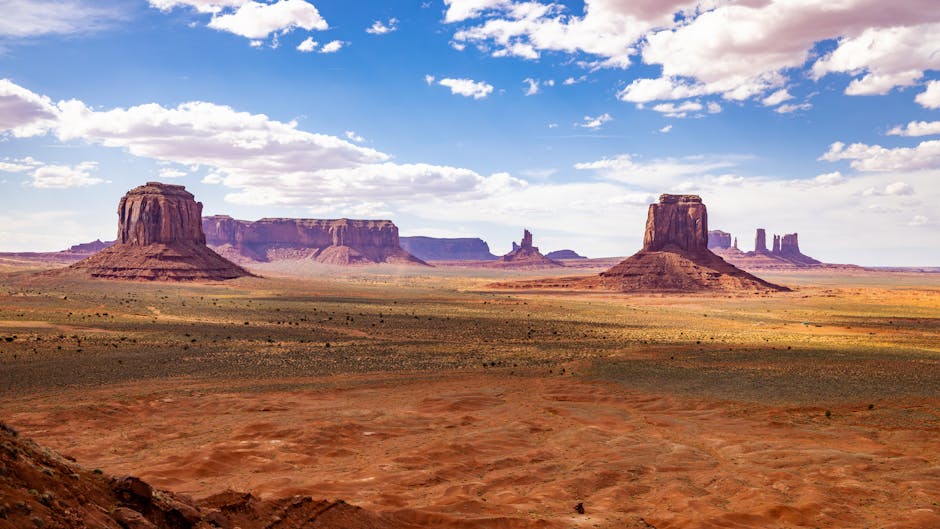
Top 10 American Geographical Sites for History Buffs

Top 10 American Geographical Sites for History Buffs

⏱️ 7 min read

America's landscape tells the story of its past, with geographical sites serving as silent witnesses to pivotal moments that shaped the nation. From battlefields to natural landmarks that influenced westward expansion, these locations offer history enthusiasts the opportunity to walk in the footsteps of those who came before. The following geographical sites represent some of the most significant historical locations across the United States, each offering unique insights into different eras of American history.

Exploring America's Most Historic Geographical Landmarks

1. Gettysburg Battlefield, Pennsylvania

The rolling hills and fields of Gettysburg witnessed one of the most decisive battles of the American Civil War in July 1863. This geographical site encompasses over 6,000 acres of preserved battlefield where approximately 51,000 soldiers became casualties during three days of intense combat. The terrain itself played a crucial role in the battle's outcome, with locations like Little Round Top, Cemetery Ridge, and Devil's Den becoming strategic positions that determined the flow of conflict. Today, visitors can observe how generals utilized the natural landscape to their tactical advantage, understanding how elevation, rock formations, and open fields influenced military decisions that changed the course of American history.

2. Independence Hall and Historic Philadelphia

The geographical heart of American independence, Philadelphia's historic district centers around Independence Hall, where both the Declaration of Independence and the U.S. Constitution were debated and signed. The compact urban geography of colonial Philadelphia allowed revolutionary thinkers to gather, debate, and forge a new nation within walking distance of each other. The site includes not only Independence Hall but also the surrounding streets, taverns, and meeting places where the Founding Fathers shaped their vision for America. The Delaware River's proximity made Philadelphia a natural hub for commerce and communication, contributing to its selection as the meeting place for the Continental Congress.

3. Pearl Harbor, Hawaii

This natural deep-water harbor in Oahu became forever etched in American history on December 7, 1941. The geographical features of Pearl Harbor—its protected waters and strategic location in the Pacific Ocean—made it an ideal naval base, which also made it a target for Japanese forces seeking to neutralize American military power in the Pacific. The harbor's layout, with its various lochs and inlets, tells the story of that fateful morning when battleships lined up along "Battleship Row" were attacked. The USS Arizona Memorial now rests above the sunken battleship, serving as a poignant reminder of how geography and history intersect.

4. The Appalachian Trail's Historic Corridor

Stretching over 2,190 miles from Georgia to Maine, the Appalachian Trail follows a mountain range that served as a natural barrier during colonial times and influenced settlement patterns for centuries. This geographical feature separated coastal colonies from western territories and played a significant role in early American expansion. The trail passes through numerous historically significant areas, including Civil War battlefields, colonial settlements, and sites of Native American heritage. The Appalachian Mountains themselves created distinct cultural regions and influenced everything from the American Revolution to the development of regional identities that persist today.

5. Jamestown and the James River, Virginia

The James River's geography directly influenced the establishment of the first permanent English settlement in North America in 1607. The river's depth allowed oceangoing vessels to travel inland, while the marshy peninsula where colonists settled offered defensive advantages against potential Spanish attacks. However, this same geography—low-lying, swampy terrain—contributed to disease and hardship that nearly destroyed the colony. Archaeological sites along the river reveal how colonists adapted to this challenging environment and how the waterway served as the lifeline for the Virginia Colony, facilitating tobacco trade that would sustain the settlement.

6. Little Bighorn Battlefield, Montana

The grasslands and hills of southeastern Montana witnessed the most famous battle between Native Americans and the U.S. Army in 1876. The geography of the Little Bighorn River valley, with its rolling terrain and grass-covered hills, played a significant role in the battle's outcome. Lieutenant Colonel George Custer's fatal underestimation of both his opponents and the terrain led to the defeat of the 7th Cavalry. The site preserves the landscape much as it appeared during the battle, allowing visitors to understand how Lakota, Cheyenne, and Arapaho warriors used their knowledge of the terrain to surround and overwhelm Custer's forces. The battlefield stands as a testament to Native American resistance and the complex history of westward expansion.

7. The Grand Canyon and Powell Expedition Route

While the Grand Canyon's geological significance is well known, its role in American exploration history makes it essential for history buffs. John Wesley Powell's 1869 expedition through the canyon represented one of the last major geographical explorations of the continental United States. The Colorado River's path through this massive geological formation presented enormous challenges to explorers and later to engineers who sought to harness its power. The canyon influenced Native American settlement patterns for thousands of years before European contact, and its remote, forbidding geography delayed thorough exploration until after the Civil War. Understanding the Grand Canyon's history requires appreciating how its sheer scale and dangerous waters shaped human interaction with this landscape.

8. Alcatraz Island, San Francisco Bay

The cold waters, strong currents, and rocky geography of Alcatraz Island made it an ideal location for a maximum-security prison from 1934 to 1963. However, the island's history extends back further, serving as a military fortification during the Civil War and protecting San Francisco's harbor from Confederate attacks. The island's geographical isolation—just 1.25 miles from San Francisco but surrounded by treacherous waters—made escape virtually impossible, housing notorious criminals like Al Capone. Before its use as a prison, the island also served as the site of the first lighthouse on the Pacific Coast, guiding ships through the Golden Gate. The geographical features that made Alcatraz perfect for containment also led to its eventual closure, as the island's isolation made operating costs prohibitively expensive.

9. The Boston Harbor and Freedom Trail

Boston's natural harbor geography made it one of colonial America's most important ports and a flashpoint for revolutionary activity. The harbor's protected waters and numerous islands served both commercial and military purposes throughout American history. The Boston Tea Party of 1773 took advantage of the harbor's geography, with colonists boarding ships and dumping tea into these same waters. The Freedom Trail, a 2.5-mile path through Boston, connects sixteen historically significant sites including the harbor, demonstrating how the city's compact geography concentrated revolutionary activity in a small area. From the Old North Church to Bunker Hill, the trail shows how Boston's landscape facilitated the communication and organization necessary for colonial resistance.

10. Mount Rushmore and the Black Hills, South Dakota

The granite face of Mount Rushmore displays the carved visages of four presidents, but the Black Hills themselves hold deeper historical significance. Sacred to the Lakota Sioux, these mountains became contested territory following the discovery of gold in 1874, leading to conflicts that shaped Native American-U.S. government relations. The geographical isolation of the Black Hills, rising from the surrounding plains, made them spiritually significant to indigenous peoples for centuries before white settlement. The selection of Mount Rushmore for the monument was based purely on its granite's quality and the cliff's southeastern exposure, but the choice to carve this particular mountain in the Black Hills remains historically controversial, representing both American achievement and the displacement of Native peoples.

Conclusion

These ten geographical sites represent diverse chapters in American history, from colonial settlements to westward expansion, from civil war to modern conflicts. Each location demonstrates how geography shapes historical events—natural harbors facilitating trade and revolution, terrain influencing military tactics, and rivers serving as highways for exploration. For history enthusiasts, visiting these sites provides context that books alone cannot offer, allowing them to experience the landscapes that influenced the decisions, battles, and movements that created the United States. Understanding American history requires understanding its geography, and these ten sites offer the most profound connections between land and legacy.