
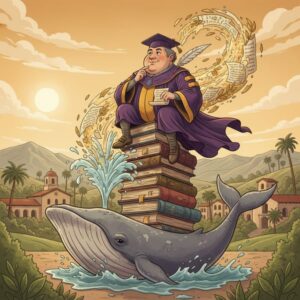



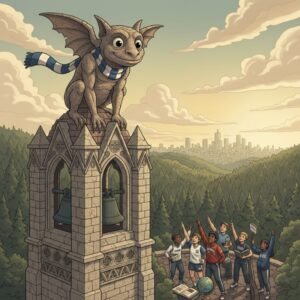

Which college’s mascot is simply ‘the Poets,’ named after a famous Quaker poet and abolitionist?

1 / 10 Questions
0 Points

Which college's mascot is simply 'the Poets,' named after a famous Quaker poet and abolitionist?

Dickinson College

Haverford College

Whittier College

Swarthmore College

Points won
0
Correct score
0%

More Questions

More Articles

Did You Know These 15 Facts About US Cultural Events?

Did You Know These 15 Facts About US Cultural Events?

⏱️ 4 min read

Did You Know These 15 Facts About US Cultural Events?

The United States hosts numerous cultural events throughout the year that showcase its diverse heritage, traditions, and celebrations. Here are 15 fascinating facts about some of America's most notable cultural events that might surprise you.

1. Mardi Gras' Legal Holiday Status

While many associate Mardi Gras with New Orleans, few know that it's actually a legal holiday in Louisiana since 1875. It's the only state where this vibrant celebration is officially recognized as a holiday, with state offices and many businesses closing for the occasion.

2. Burning Man's Original Location

The iconic Burning Man festival didn't always take place in Nevada's Black Rock Desert. It started in 1986 on Baker Beach in San Francisco with just 20 people. The event only moved to its current location in 1990 after local authorities prohibited the signature burning ritual.

3. Thanksgiving Parade Origins

The Macy's Thanksgiving Day Parade originally featured live animals from the Central Park Zoo instead of balloons. The first giant balloon, Felix the Cat, made its debut in 1927, revolutionizing the parade's format we know today.

4. Coachella's Humble Beginnings

The Coachella Valley Music and Arts Festival began as Pearl Jam's protest against Ticketmaster in 1993. The band performed at the Empire Polo Club to prove that a venue could be successful outside Ticketmaster's network. This inspired the festival's creation in 1999.

5. Boston Marathon's Japanese Connection

The tradition of serving beans at the Boston Marathon originated from Japanese runners who considered them a good luck charm. This cultural exchange began in the 1950s and continues to this day.

6. South by Southwest's Economic Impact

SXSW in Austin, Texas, generates more revenue for the city than the Super Bowl does for its host cities. In 2019, the festival contributed over $355 million to Austin's economy.

7. Times Square Ball Drop History

The New Year's Eve ball drop tradition began in 1907 as a response to the city's fireworks ban. The first ball was made of iron and wood, decorated with 100 25-watt light bulbs, and weighed 700 pounds.

8. Comic-Con's Academic Roots

San Diego Comic-Con began as a one-day "minicon" called San Diego's Golden State Comic-Minicon in 1970. It was organized by a group of comics, movie, and science fiction fans at the U.S. Grant Hotel.

9. National Cherry Blossom Festival Origins

The National Cherry Blossom Festival celebrates a 1912 gift of 3,000 cherry trees from Mayor Yukio Ozaki of Tokyo to Washington, D.C. The first two trees were planted by First Lady Helen Taft and Viscountess Chinda of Japan.

10. Bonnaroo's Name Meaning

The Bonnaroo Music Festival's name comes from Creole slang meaning "best on the street." It was inspired by New Orleans R&B singer Dr. John's 1974 album "Desitively Bonnaroo."

11. Albuquerque Balloon Fiesta Records

The Albuquerque International Balloon Fiesta is the world's largest hot air balloon festival and the most photographed event on Earth. It features over 500 balloons annually and draws nearly 900,000 visitors.

12. Rose Parade's Winter Timing

The Tournament of Roses Parade in Pasadena began in 1890 to showcase California's mild winter weather. The event's "Never on Sunday" rule dates back to 1893, moving the parade to January 2nd when New Year's Day falls on a Sunday.

13. Kentucky Derby Fashion Origins

The elaborate hat tradition at the Kentucky Derby began as a way to attract women to the races. Colonel Meriwether Lewis Clark Jr.'s wife convinced high-society women to wear their finest to make the event more sophisticated.

14. Lollapalooza's Original Purpose

Lollapalooza was initially conceived as Jane's Addiction's farewell tour in 1991. Perry Farrell created it as an alternative music festival that would also serve as a platform for political and environmental activism.

15. Independence Day Misconception

July 4th wasn't the actual day the Declaration of Independence was signed. The Continental Congress actually voted for independence on July 2, 1776, and the document wasn't signed by most delegates until August 2.

These cultural events have evolved significantly over time, reflecting America's changing society and values. From humble beginnings to international phenomena, they showcase the nation's ability to create lasting traditions while embracing innovation and diversity. Understanding these lesser-known facts provides deeper appreciation for these celebrations that have become integral parts of American culture.
USA Trivia: 15 Facts About American Political Scandals

USA Trivia: 15 Facts About American Political Scandals

⏱️ 6 min read

American political history is marked by numerous scandals that have shaped public trust, reformed institutions, and sometimes ended careers overnight. From the earliest days of the republic to modern times, these controversies have revealed the human flaws and systemic weaknesses within government. Understanding these pivotal moments provides insight into how American democracy has evolved and adapted through crisis.

Major Political Scandals That Shaped America

1. Watergate: The Scandal That Toppled a Presidency

The Watergate scandal remains the most infamous political controversy in American history. Beginning with a break-in at the Democratic National Committee headquarters in 1972, the scandal eventually revealed a massive cover-up orchestrated by President Richard Nixon's administration. The investigation uncovered abuse of power, obstruction of justice, and illegal surveillance. Nixon became the first and only U.S. president to resign from office on August 9, 1974, facing certain impeachment. Watergate fundamentally changed how Americans view their elected officials and led to significant reforms in campaign finance and ethics laws.

2. The Teapot Dome Affair and Oil Corruption

One of the most significant pre-World War II scandals, the Teapot Dome scandal of the 1920s involved Secretary of the Interior Albert Fall accepting bribes to lease federal oil reserves to private companies. Fall became the first cabinet member in U.S. history to be convicted of crimes committed while in office and served prison time. This scandal during Warren G. Harding's administration exposed the corruption that could occur when public resources were secretly privatized for personal gain.

3. Iran-Contra: Secret Arms Deals and Cover-Ups

During the Reagan administration, senior officials secretly facilitated arms sales to Iran, which was under an arms embargo, and used the proceeds to fund Contra rebels in Nicaragua despite Congressional prohibition. The Iran-Contra affair of the mid-1980s resulted in multiple indictments and convictions, though several were later pardoned. This scandal raised serious questions about executive overreach and whether officials had operated a shadow foreign policy outside Constitutional bounds.

4. The Clinton-Lewinsky Scandal and Impeachment

President Bill Clinton's relationship with White House intern Monica Lewinsky led to his impeachment by the House of Representatives in 1998. Clinton was charged with perjury and obstruction of justice for lying under oath about the affair. Though acquitted by the Senate, the scandal dominated his second term and sparked national debates about personal conduct, the definition of truth, and whether private behavior should be grounds for removing a president from office.

5. The Crédit Mobilier Scandal of 1872

This Gilded Age scandal involved the Crédit Mobilier construction company, which was used to skim profits from the transcontinental railroad construction. Shares were distributed to members of Congress and even Vice President Schuyler Colfax to prevent investigation. When exposed, it revealed the extent to which corporate interests could corrupt the legislative process and led to censures and damaged political careers across both parties.

6. ABSCAM: The FBI Sting Operation

In the late 1970s and early 1980s, the FBI conducted an elaborate sting operation called ABSCAM, where agents posed as Arab sheiks offering bribes to politicians. The operation resulted in the conviction of one senator, six representatives, and various other officials for bribery and corruption. While successful in prosecuting corrupt officials, ABSCAM raised ethical questions about government entrapment and the methods used in corruption investigations.

7. The Whiskey Ring Tax Fraud Conspiracy

During Ulysses S. Grant's presidency in 1875, federal agents and distillers conspired to defraud the government of millions in tax revenue. The conspiracy involved Grant's personal secretary, Orville Babcock, and reached high into the administration. While Grant himself was not implicated, the scandal tarnished his presidency and demonstrated how organized corruption could infiltrate multiple levels of government.

8. The Pentagon Papers and Government Secrecy

In 1971, Daniel Ellsberg leaked classified documents revealing that multiple administrations had misled the public about the Vietnam War. The Pentagon Papers scandal sparked a constitutional crisis when the Nixon administration tried to prevent publication, leading to a landmark Supreme Court decision on press freedom. This scandal fundamentally altered the relationship between the government, the press, and the public's right to know about government activities.

9. The Keating Five Banking Scandal

Five U.S. senators were investigated in 1989 for allegedly attempting to influence federal regulators on behalf of Charles Keating, chairman of the Lincoln Savings and Loan Association. The scandal occurred during the savings and loan crisis that cost taxpayers billions. Senator John McCain was among those investigated, and the incident highlighted the influence of campaign contributions on legislative behavior.

10. Spiro Agnew's Resignation for Tax Evasion

Before Nixon's resignation, Vice President Spiro Agnew resigned in 1973 after pleading no contest to tax evasion charges related to bribes he received as Maryland governor. Agnew became only the second vice president to resign from office. His corruption, occurring simultaneously with the unfolding Watergate scandal, created an unprecedented crisis in the executive branch.

11. The Valerie Plame CIA Leak Scandal

In 2003, CIA operative Valerie Plame's identity was leaked to the press, allegedly in retaliation for her husband's criticism of the Iraq War. The investigation led to the conviction of Vice President Dick Cheney's chief of staff, Scooter Libby, for perjury and obstruction of justice. This scandal raised questions about the politicization of intelligence and the protection of covert agents.

12. The House Banking Scandal

In 1992, it was revealed that the House of Representatives bank had allowed members to overdraw their accounts without penalties, essentially providing interest-free loans. Over 450 representatives had overdrawn accounts, with some bouncing hundreds of checks. While not criminal, the scandal fueled public anger about congressional privilege and contributed to significant turnover in the 1992 elections.

13. Senator Larry Craig's Airport Bathroom Arrest

Idaho Senator Larry Craig was arrested in 2007 in a Minneapolis airport bathroom in a police sting operation targeting lewd conduct. Craig's subsequent guilty plea and his attempt to withdraw it became a major scandal, particularly given his conservative voting record. The incident highlighted issues of hypocrisy and led to ethics investigations and his decision not to seek re-election.

14. The Jack Abramoff Lobbying Scandal

Lobbyist Jack Abramoff was convicted in 2006 of fraud, tax evasion, and conspiracy to bribe public officials. His schemes involved defrauding Native American tribes and corrupting multiple members of Congress. The scandal led to reform efforts in lobbying laws and resulted in the conviction or resignation of several congressmen, highlighting the corrupting influence of money in politics.

15. The GSA Las Vegas Conference Spending Scandal

In 2012, it was revealed that the General Services Administration spent over $800,000 on a lavish conference in Las Vegas, featuring expensive meals, entertainment, and commemorative coins. The scandal led to multiple resignations and exemplified government waste. It sparked outrage during a time of economic hardship and led to stricter controls on federal agency spending for conferences and events.

The Lasting Impact of Political Scandals

These fifteen scandals represent only a fraction of the controversies that have affected American politics throughout history. Each scandal has contributed to reforms, changed public expectations, and shaped the legal and ethical frameworks governing public service. From Teapot Dome to Watergate, from ABSCAM to the GSA spending scandal, these events demonstrate that accountability remains essential to democratic governance. While scandals damage public trust, the system's ability to investigate, prosecute, and reform itself shows the resilience of American democratic institutions. Understanding these historical moments helps citizens remain vigilant and engaged in holding their representatives accountable.