







Which Time Of Day Do Most People Grab Coffee?

1 / 10 Questions
0 Points

Which Time Of Day Do Most People Grab Coffee?

9 AM-12 PM

12-3 PM

6-9 AM

3-6 PM

Points won
0
Correct score
0%

More Questions

More Articles

USA Trivia Quiz: 20 Questions on Famous American Landmarks

USA Trivia Quiz: 20 Questions on Famous American Landmarks

⏱️ 4 min read

USA Trivia Quiz: 20 Questions on Famous American Landmarks

Test your knowledge of America's most iconic landmarks with this comprehensive trivia quiz. From sea to shining sea, the United States boasts numerous architectural marvels, natural wonders, and historic sites that have become symbols of American heritage and culture. Here are 20 challenging questions about famous American landmarks, complete with their answers and fascinating facts.

1. Statue of Liberty

Q: Which country gifted the Statue of Liberty to the United States? A: France presented Lady Liberty as a gift in 1886 to commemorate the centennial of American independence. The statue stands 305 feet tall and was designed by Frédéric Auguste Bartholdi.

2. Mount Rushmore

Q: Which four presidents are carved into Mount Rushmore? A: George Washington, Thomas Jefferson, Theodore Roosevelt, and Abraham Lincoln. The monument took 14 years to complete (1927-1941) under sculptor Gutzon Borglum.

3. Golden Gate Bridge

Q: What is the length of the Golden Gate Bridge's main span? A: The main span is 4,200 feet long. The bridge's distinctive orange color, officially called "International Orange," was chosen for its visibility in San Francisco's frequent fog.

4. Empire State Building

Q: How many steps are in the Empire State Building? A: There are 1,860 steps from street level to the 102nd floor. The building was completed in just 410 days during the Great Depression.

5. Grand Canyon

Q: How deep is the Grand Canyon at its deepest point? A: The canyon reaches a depth of 6,093 feet at its deepest point. The Colorado River has been carving the canyon for approximately six million years.

6. Liberty Bell

Q: When did the Liberty Bell get its famous crack? A: The bell first cracked shortly after its arrival in Philadelphia in 1752. The major crack that visible today developed in the 1840s.

7. Space Needle

Q: In which year was Seattle's Space Needle built? A: The Space Needle was completed in 1962 for the World's Fair. It can withstand winds of up to 200 miles per hour and earthquakes up to magnitude 9.0.

8. Hoover Dam

Q: How many workers died during the construction of the Hoover Dam? A: 96 workers died during construction from 1931 to 1936. The dam contains enough concrete to pave a two-lane highway from San Francisco to New York.

9. Gateway Arch

Q: What is the height of St. Louis' Gateway Arch? A: The arch stands 630 feet tall, making it the tallest man-made monument in the United States.

10. Mount Vernon

Q: How many rooms are in George Washington's Mount Vernon mansion? A: The mansion contains 21 rooms spread across three floors. Washington personally supervised its expansion over 45 years.

11. Alcatraz Island

Q: How many successful escapes were there from Alcatraz prison? A: Officially, no successful escapes were ever confirmed, though five inmates remain listed as "missing and presumed drowned."

12. Alamo

Q: In which city is the Alamo located? A: The Alamo is located in San Antonio, Texas. It was originally built as a Spanish mission in 1718.

13. Lincoln Memorial

Q: How many columns support the Lincoln Memorial? A: The memorial has 36 columns, representing the number of states in the Union at the time of Lincoln's death.

14. Yellowstone National Park

Q: How many geysers are in Yellowstone National Park? A: Yellowstone contains about 500 active geysers, representing half of all the world's known geysers.

15. Pearl Harbor Memorial

Q: What year was the USS Arizona Memorial completed? A: The memorial was completed in 1961, 20 years after the attack on Pearl Harbor.

16. Niagara Falls

Q: What is the combined height of all three Niagara Falls? A: The American Falls is 176 feet high, Bridal Veil Falls is 181 feet, and Horseshoe Falls is 167 feet.

17. Washington Monument

Q: Why does the Washington Monument have two different colors of stone? A: Construction was halted during the Civil War, and when it resumed, stone from a different quarry was used, resulting in a visible color change.

18. Independence Hall

Q: Which two crucial American documents were signed in Independence Hall? A: Both the Declaration of Independence (1776) and the U.S. Constitution (1787) were debated and signed here.

19. Kennedy Space Center

Q: How many Apollo missions launched from Kennedy Space Center? A: All 12 Apollo missions, including the historic Apollo 11 moon landing, launched from Kennedy Space Center.

20. Mount McKinley/Denali

Q: What is the height of Denali, North America's tallest peak? A: Denali reaches 20,310 feet above sea level, making it the highest peak in North America.

These landmarks represent significant achievements in American architecture, engineering, and natural beauty, serving as testaments to the nation's history and progress. From man-made marvels to natural wonders, each site tells a unique story about American heritage and continues to inspire millions of visitors annually.
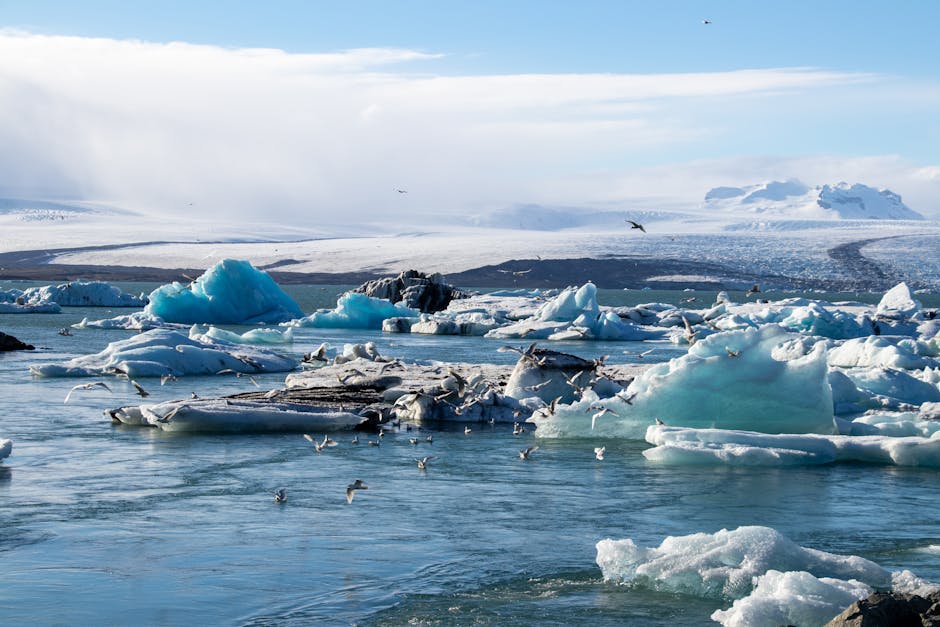
Did You Know These 12 Facts About US Glaciers?

Did You Know These 12 Facts About US Glaciers?

⏱️ 4 min read

Did You Know These 12 Facts About US Glaciers?

The United States is home to numerous glaciers that have shaped its landscape over millennia. These massive ice formations continue to influence the country's geography, climate, and ecosystems. Here are twelve fascinating facts about glaciers in the United States that showcase their importance and impact.

1. Glacial Distribution

Contrary to popular belief, glaciers exist in seven U.S. states: Alaska, Washington, Oregon, California, Montana, Wyoming, and Colorado. Alaska contains about 99% of all U.S. glaciers, with approximately 100,000 glaciers covering 28,000 square miles.

2. Largest U.S. Glacier

The Bering Glacier complex in Alaska is the largest glacier in North America, covering an area of approximately 2,250 square miles. It's longer than the state of Rhode Island and contains ice up to 2,000 feet thick in some places.

3. Rapid Retreat

Over the past 50 years, U.S. glaciers have been retreating at an unprecedented rate. Glacier National Park in Montana has lost more than 80% of its glaciers since 1850, with only 25 of the original 150 glaciers remaining as of 2021.

4. Ancient Ice Records

U.S. glaciers serve as valuable climate archives, containing ice layers that date back thousands of years. Scientists extract ice cores from these glaciers to study historical climate patterns, atmospheric composition, and environmental changes throughout history.

5. Water Resource Impact

Glaciers act as crucial water reservoirs, providing essential meltwater to rivers and streams during dry summer months. In the Pacific Northwest, glacier melt contributes up to 25% of summer stream flow in some watersheds, supporting agriculture, hydropower, and ecosystem health.

6. Tourist Attractions

U.S. glaciers attract millions of visitors annually. The Mendenhall Glacier near Juneau, Alaska, receives over 500,000 visitors each year, while Glacier National Park welcomes more than 3 million visitors annually to view its remaining ice formations.

7. Geological Formations

Ancient glacial activity created many distinctive U.S. landscapes, including the Great Lakes, New York's Finger Lakes, and countless valleys throughout the Rocky Mountains. These formations resulted from massive ice sheets that covered much of North America during the last ice age.

8. Unique Ecosystems

Glacial environments support unique ecosystems and species adapted to extreme conditions. Ice worms, found only on North American glaciers, live their entire lives within glacier ice and would die if exposed to temperatures much above freezing.

9. Monitoring Technology

The U.S. Geological Survey maintains a network of benchmark glaciers equipped with advanced monitoring technology. These systems track glacier mass balance, movement, and response to climate change, providing crucial data for scientific research and climate modeling.

10. Cultural Significance

Glaciers hold significant cultural importance for many Native American tribes, particularly in Alaska and the Pacific Northwest. These ice formations feature prominently in traditional stories, spiritual beliefs, and subsistence practices of indigenous peoples.

11. Economic Impact

U.S. glaciers contribute significantly to local economies through tourism, hydroelectric power generation, and water supply for agriculture. In Alaska alone, glacier-related tourism generates hundreds of millions of dollars annually in revenue.

12. Future Projections

Scientists predict that most U.S. glaciers outside Alaska could disappear within the next 50-100 years due to climate change. This loss would significantly impact water resources, ecosystems, and local economies dependent on glacial systems.

Conclusion

U.S. glaciers represent more than just impressive natural formations; they are essential components of the nation's environmental, cultural, and economic landscape. From their role in shaping ancient terrains to their current importance as water resources and climate indicators, these ice masses continue to influence life across the country. Understanding these twelve facts helps appreciate the significance of preserving these remarkable natural features for future generations.

As climate change continues to affect these ancient ice formations, monitoring and studying U.S. glaciers becomes increasingly important for understanding environmental changes and developing strategies to protect these valuable natural resources. Their story is not just about ice and snow but about the intricate connections between climate, ecology, and human society.