⏱️ 7 min read
Nestled along the rugged coastline of Maine, Acadia National Park stands as one of America's most cherished natural treasures. This remarkable landscape offers a unique blend of mountains, ocean shores, forests, and lakes that attracts millions of visitors annually. From its geological wonders to its rich cultural history, this iconic park holds countless stories waiting to be discovered. Here are eighteen captivating facts that reveal the depth and wonder of this extraordinary destination.
Natural Wonders and Geographic Marvels
1. The First Place to See Sunrise in America
Cadillac Mountain, standing at 1,530 feet, holds the distinction of being the tallest mountain on the U.S. Atlantic coast. From October through early March, its summit becomes the first place in the United States to witness the sunrise. Visitors flock to this peak in the early morning hours to experience this unique phenomenon, watching as the first rays of sunlight illuminate the American landscape.
2. A Relatively Young National Park with Old Roots
Acadia was established as Lafayette National Park in 1919, making it the first national park created east of the Mississippi River. In 1929, it was renamed Acadia National Park. However, the effort to preserve this land began much earlier, with philanthropist George B. Dorr dedicating his life and fortune to protecting the area, earning him the title "Father of Acadia National Park."
3. Glacial Sculpting Created the Landscape
The dramatic terrain of Acadia was shaped by massive glaciers during the last Ice Age, approximately 20,000 years ago. These slow-moving ice sheets carved out the U-shaped valleys, scraped the granite mountains, and created the distinctive features that make the park so visually stunning today. Evidence of glacial activity can be seen throughout the park, including glacial erratic boulders and polished bedrock.
4. Thunder Hole's Natural Spectacle
Thunder Hole is one of Acadia's most popular natural attractions, where waves crash into a small cavern and create a thunderous boom that can be heard from considerable distances. During incoming tides, especially when seas are rough, water is forced into the narrow opening, compressing air and creating both the distinctive sound and spectacular water displays that can reach heights of 40 feet.
Biodiversity and Ecosystems
5. A Meeting Point of Northern and Southern Species
Acadia's unique location creates a transitional zone where northern boreal species meet southern deciduous species. This convergence results in exceptional biodiversity, with over 1,000 plant species documented within the park. Visitors might encounter both the hardy balsam fir typical of northern forests alongside pitch pines more common in southern regions.
6. Peregrine Falcon Recovery Success
The park has played a crucial role in the recovery of peregrine falcons, which were extinct in the eastern United States by the 1960s due to DDT pesticide use. Through dedicated conservation efforts and reintroduction programs begun in the 1980s, peregrine falcons now successfully nest on Acadia's cliffs, representing one of conservation's most inspiring success stories.
7. Marine Life Abundance in Tidal Zones
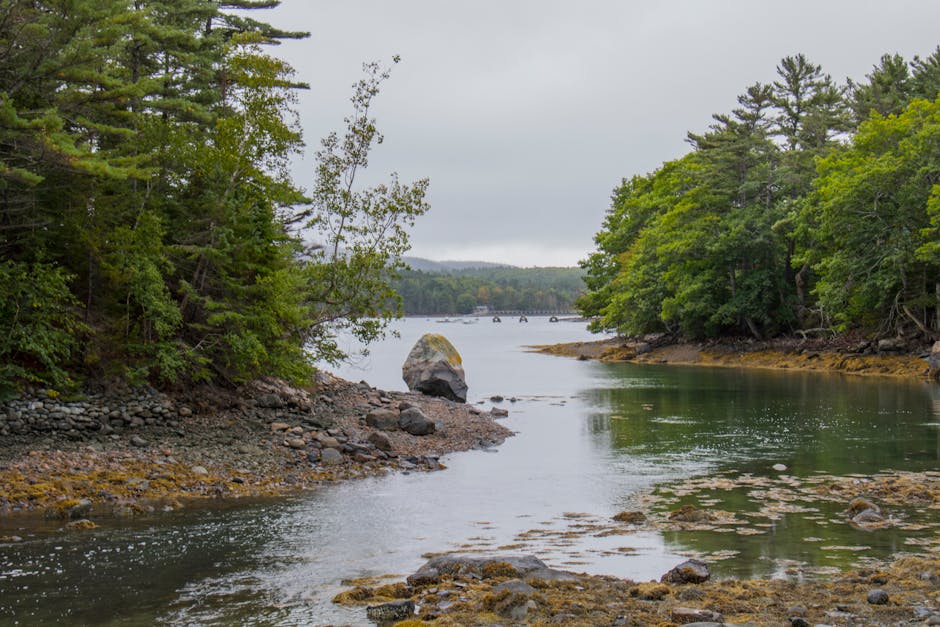
The park's 40 miles of rocky coastline support incredibly rich intertidal ecosystems. These zones harbor barnacles, periwinkles, sea stars, anemones, crabs, and numerous other marine species adapted to survive the dramatic changes between high and low tides. The cold, nutrient-rich waters of the Gulf of Maine make these areas particularly productive.
Historical and Cultural Significance
8. The Wabanaki People's Ancestral Homeland
Long before European settlement, the Wabanaki Confederacy, including the Penobscot, Passamaquoddy, Maliseet, and Micmac peoples, inhabited this region for thousands of years. They called Mount Desert Island "Pemetic," meaning "sloping land," and relied on its abundant natural resources for sustenance, creating a deep cultural connection that continues today.
9. Rockefeller's Gift of Carriage Roads
John D. Rockefeller Jr. contributed significantly to Acadia by financing the construction of 57 miles of carefully designed carriage roads between 1913 and 1940. These automobile-free paths, featuring 17 magnificent stone bridges, were built to preserve the natural beauty while allowing access for horse-drawn carriages. Today, they serve as premier routes for hiking, biking, and horseback riding.
10. The Rusticator Era Transformed the Island
During the late 19th century, artists and wealthy families discovered Mount Desert Island, becoming known as "rusticators." They built elaborate summer cottages, many resembling European mansions, transforming the area into a prestigious resort destination. Though the Great Depression and a devastating 1947 fire ended this golden age, their conservation ethic helped establish the national park.
Recreational and Visitor Experiences
11. A Rock Climber's Paradise
Acadia offers some of the finest sea cliff climbing in the eastern United States. The park's granite cliffs provide hundreds of established routes ranging from beginner to expert level. Otter Cliff, rising 60 feet directly from the ocean, presents particularly dramatic climbing experiences with spectacular views and the unique challenge of coordinating climbs with tide schedules.
12. The Historic Loop Road Engineering Marvel
The 27-mile Park Loop Road, completed in 1958, represents a masterpiece of landscape architecture and engineering. Designed to showcase Acadia's most spectacular scenery while minimizing environmental impact, the road features carefully planned viewpoints, stone guardrails that blend with the natural surroundings, and curves that follow the natural contours of the landscape.
13. Jordan Pond House Tea Tradition
The Jordan Pond House has served afternoon tea with popovers and jam since the 1890s, maintaining one of Acadia's most cherished traditions. Visitors can enjoy this quintessentially elegant experience while overlooking the pristine Jordan Pond with the distinctive rounded peaks of the Bubbles mountains reflected in its waters.
Ecological and Scientific Importance
14. Climate Change Research Laboratory
Scientists consider Acadia an invaluable living laboratory for studying climate change impacts on northeastern ecosystems. The park's diverse habitats, extensive historical records, and ongoing monitoring programs provide critical data about shifting species ranges, changing phenology, and ecosystem responses to warming temperatures and altered precipitation patterns.
15. Freshwater Lake Ecosystem Diversity
Acadia contains 26 lakes and ponds, including Jordan Pond, which at 150 feet deep is the park's deepest body of water. These freshwater systems support distinct ecological communities and provide habitat for native brook trout. The crystal-clear waters of many lakes result from their glacial origins and granite watersheds, which contribute few sediments or nutrients.
16. Ancient Granite Foundation
The bedrock underlying Acadia formed approximately 420 million years ago from molten magma that cooled slowly underground, creating the distinctive pink granite visible throughout the park. This Cadillac Mountain granite, composed of feldspar, quartz, and other minerals, gives the park its characteristic appearance and exceptional durability against erosion.
Conservation Challenges and Efforts
17. Island Explorer Bus System Reduces Impact
To address overcrowding and environmental impact, Acadia pioneered the propane-powered Island Explorer bus system in 1999. This free shuttle service reduces traffic congestion, parking demands, and air pollution while improving visitor access to trailheads and attractions. The program has become a model for sustainable transportation in national parks nationwide.
18. Ongoing Habitat Restoration Projects
Park managers continuously work to restore native habitats and control invasive species that threaten Acadia's ecological integrity. Projects include removing invasive plants, restoring native vegetation, repairing historic stone structures, and maintaining trails to prevent erosion. These efforts ensure that future generations can experience Acadia's natural beauty in conditions as close to pristine as possible.
Conclusion
Acadia National Park represents far more than scenic beauty; it embodies successful conservation, cultural heritage, and ecological significance. From its glacially-carved mountains to its thriving marine ecosystems, from ancient granite formations to modern sustainability initiatives, each aspect of the park tells a compelling story. These eighteen facts merely scratch the surface of what makes Acadia extraordinary, inviting visitors to explore deeper and discover their own connections to this remarkable landscape where mountains meet the sea.