







Which Drink Is Known For The Most Caffeine?

1 / 10 Questions
0 Points

Which Drink Is Known For The Most Caffeine?

Green tea

Hot chocolate

Black tea

Brewed coffee

Points won
0
Correct score
0%

More Questions

More Articles

18 Fascinating Facts About the Mississippi River

18 Fascinating Facts About the Mississippi River

⏱️ 3 min read

18 Fascinating Facts About the Mississippi River

The Mississippi River, often called the "Mighty Mississippi," is one of North America's most significant waterways. This majestic river has shaped the continent's history, culture, and geography in countless ways. Here are 18 fascinating facts about this remarkable river system.

1. Length and Size

The Mississippi River stretches 2,340 miles from its source at Lake Itasca, Minnesota, to its delta in Louisiana, making it the second-longest river in North America after the Missouri River.

2. Massive Watershed

The Mississippi River watershed covers approximately 41% of the continental United States, draining water from 31 states and two Canadian provinces, encompassing over 1.2 million square miles.

3. Ancient History

The river's name comes from the Ojibwe word "Misi-ziibi," meaning "Great River." Native Americans have lived along its banks for over 12,000 years.

4. Changing Course

The river's main channel has naturally shifted numerous times throughout history. The U.S. Army Corps of Engineers now maintains its current course to prevent it from shifting to the Atchafalaya River basin.

5. Economic Impact

The Mississippi River system generates more than $400 billion in annual economic activity and supports approximately 1.3 million jobs across its length.

6. Wildlife Diversity

The river is home to at least 260 species of fish, 40% of North America's migratory waterfowl, and more than 50 species of mammals, making it one of the most biologically diverse river systems in the world.

7. The Great Flood of 1927

The most destructive river flood in U.S. history occurred along the Mississippi in 1927, inundating 27,000 square miles and displacing over 700,000 people.

8. River Cities

Major cities including Minneapolis, St. Louis, Memphis, and New Orleans were established along the Mississippi, owing their growth and prosperity to the river's transportation capabilities.

9. Deepest Point

The deepest point of the Mississippi River is 200 feet, found near Algiers Point in New Orleans.

10. Water Flow

The river discharges an average of 593,000 cubic feet of water per second into the Gulf of Mexico, making it the fifth-largest river by discharge volume in the world.

11. The Delta

The Mississippi River Delta covers approximately 4 million acres and loses about 25 square miles of land each year due to erosion and subsidence.

12. Navigation System

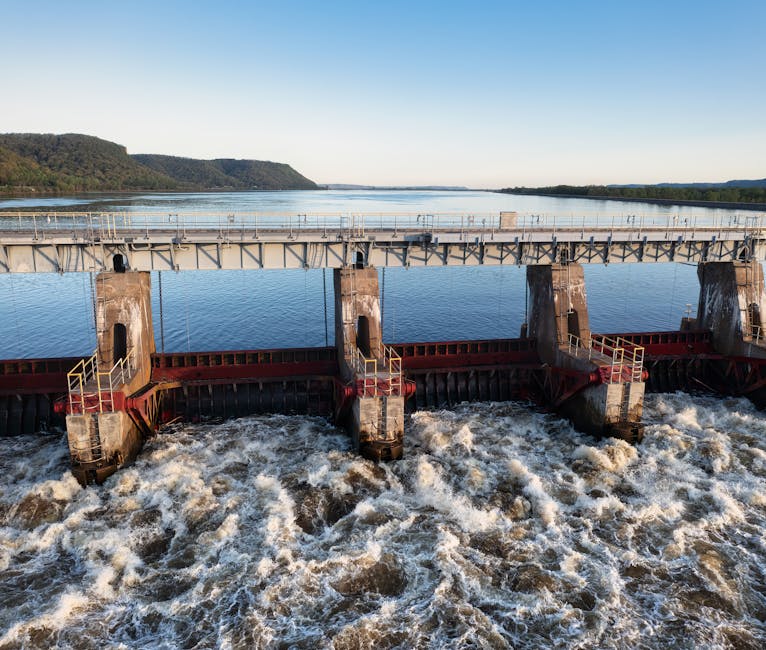
The river features 29 locks and dams on its upper portion, enabling commercial navigation and controlling water flow throughout the system.

13. Cultural Significance

The Mississippi has inspired countless works of literature, music, and art, most famously Mark Twain's "Adventures of Huckleberry Finn" and "Life on the Mississippi."

14. Commercial Traffic

More than 500 million tons of cargo travel on the Mississippi annually, including 60% of U.S. grain exports and 20% of America's coal.

15. Water Quality

The river serves as a drinking water source for more than 18 million people across multiple states, while also facing ongoing challenges with pollution and agricultural runoff.

16. Prehistoric Features

The river flows through areas rich in fossils, including regions where dinosaur fossils have been discovered along its ancient banks and tributaries.

17. Record-Breaking Bridges

The river is crossed by 120 bridges, with the Hernando de Soto Bridge in Memphis being one of the most photographed. The first bridge to span the Mississippi was built in 1855 in Minneapolis.

18. Dead Zone

At the river's mouth in the Gulf of Mexico, there's a "dead zone" covering up to 8,776 square miles where oxygen levels are too low to support marine life, caused primarily by agricultural runoff.

Conclusion

The Mississippi River continues to be one of North America's most important natural features, influencing everything from commerce and transportation to wildlife and culture. These 18 facts demonstrate the river's tremendous impact on the continent's past, present, and future. Understanding its significance helps us appreciate the need to preserve and protect this vital waterway for future generations.

Top 10 Must-Know Facts About Fashion Designers

Top 10 Must-Know Facts About Fashion Designers

⏱️ 4 min read

Top 10 Must-Know Facts About Fashion Designers

Fashion designers are the creative forces behind the clothing and accessories that shape our daily lives and cultural expressions. Understanding these influential artists and their industry provides valuable insights into both the creative and business aspects of fashion. Here are ten essential facts about fashion designers that showcase the complexity and fascination of their profession.

1. Educational Background Varies Significantly

While many successful fashion designers hold degrees from prestigious fashion schools like Parsons School of Design or Central Saint Martins, others are self-taught. Ralph Lauren never formally studied fashion, yet built a multi-billion dollar empire. This diversity in educational backgrounds demonstrates that success in fashion can come through various paths, combining natural talent with practical experience.

2. The Average Starting Salary Is Modest

Despite the glamorous image of the fashion industry, entry-level fashion designers typically earn between $35,000 and $40,000 annually. Senior designers at major fashion houses can earn well over $100,000, but reaching this level usually requires 5-10 years of experience and proven success in the industry. Many designers start their careers as design assistants or pattern makers.

3. Technology Has Transformed The Design Process

Modern fashion designers increasingly rely on computer-aided design (CAD) software and 3D modeling programs. Tools like CLO 3D and Adobe Illustrator have revolutionized the design process, allowing designers to create virtual samples, reduce waste, and accelerate production timelines. This technological integration has become essential for staying competitive in the industry.

4. Seasonal Collections Require Extended Planning

Fashion designers typically work on collections 12 to 18 months ahead of their release date. This means they're designing spring collections while consumers are shopping for winter wear. This advanced planning is necessary for production, marketing, and retail coordination, requiring designers to be highly skilled at forecasting trends and consumer preferences.

5. Specialization Is Common

Most fashion designers specialize in specific areas such as eveningwear, swimwear, accessories, or sportswear. This specialization allows them to develop deep expertise in particular materials, construction techniques, and market segments. For example, designing swimwear requires different skills and knowledge than creating formal wear or designing shoes.

6. Sustainable Fashion Is Reshaping The Industry

Modern fashion designers are increasingly focused on sustainability. This includes using eco-friendly materials, implementing zero-waste design techniques, and creating clothing that lasts longer. Designers like Stella McCartney have made sustainability their brand cornerstone, influencing the entire industry to adopt more environmentally conscious practices.

7. International Travel Is Often Required

Successful fashion designers frequently travel internationally to source materials, attend fashion weeks, meet with manufacturers, and gain inspiration. This global perspective is crucial for understanding diverse markets and cultural influences. Many designers spend significant time in fashion capitals like Paris, Milan, New York, and Tokyo.

8. Small Business Ownership Is Common

Many fashion designers operate their own small businesses rather than working for large fashion houses. This entrepreneurial path requires business acumen alongside creative skills. Designers must understand marketing, finance, and operations while managing their brand. Statistics show that approximately 25% of fashion designers are self-employed.

9. Collaboration Is Essential

Fashion designers rarely work in isolation. They collaborate with pattern makers, textile designers, manufacturers, marketers, and retailers. Success in the industry often depends on building strong professional relationships and effectively communicating vision across different departments and stakeholders. Many designers also collaborate with artists, celebrities, and other brands to create unique collections.

10. The Industry Has High Turnover

The fashion design industry experiences significant turnover, with many designers either changing positions frequently or leaving the industry entirely. The intense pressure to consistently produce creative designs, meet tight deadlines, and stay relevant in a fast-changing market contributes to this turnover. However, those who persist often find their niche and build lasting careers.

Conclusion

These ten facts highlight the complex and dynamic nature of fashion design as a profession. From the varied educational paths and modest starting salaries to the importance of technology and sustainability, fashion design requires a unique combination of creativity, business acumen, and adaptability. Understanding these aspects provides valuable insight into why fashion design remains one of the most challenging yet rewarding creative professions in the modern world.