









What fruit was once considered deadly?

1 / 10 Questions
0 Points

What fruit was once considered deadly?

Tomatoes

Bananas

Apples

Oranges

Points won
0
Correct score
0%

More Questions

More Articles

Fun American Geography Trivia: 18 Facts About US Deserts

Fun American Geography Trivia: 18 Facts About US Deserts

⏱️ 4 min read

Introduction

This comprehensive guide presents 18 fascinating aspects that showcase the depth and complexity of this remarkable topic.

Key Discoveries and Insights

1. The Foundation Principle

This aspect represents a crucial element that contributes significantly to our comprehensive understanding of the subject matter. The importance of this particular facet cannot be overstated, as it provides essential insights and practical applications that enhance our knowledge base.

2. Historical Significance

This aspect represents a crucial element that contributes significantly to our comprehensive understanding of the subject matter. The importance of this particular facet cannot be overstated, as it provides essential insights and practical applications that enhance our knowledge base.

3. Modern Applications

This aspect represents a crucial element that contributes significantly to our comprehensive understanding of the subject matter. The importance of this particular facet cannot be overstated, as it provides essential insights and practical applications that enhance our knowledge base.

4. Scientific Breakthrough

This aspect represents a crucial element that contributes significantly to our comprehensive understanding of the subject matter. The importance of this particular facet cannot be overstated, as it provides essential insights and practical applications that enhance our knowledge base.

5. Cultural Impact

This aspect represents a crucial element that contributes significantly to our comprehensive understanding of the subject matter. The importance of this particular facet cannot be overstated, as it provides essential insights and practical applications that enhance our knowledge base.

6. Economic Implications

This aspect represents a crucial element that contributes significantly to our comprehensive understanding of the subject matter. The importance of this particular facet cannot be overstated, as it provides essential insights and practical applications that enhance our knowledge base.

7. Technological Advancement

This aspect represents a crucial element that contributes significantly to our comprehensive understanding of the subject matter. The importance of this particular facet cannot be overstated, as it provides essential insights and practical applications that enhance our knowledge base.

8. Environmental Consideration

This aspect represents a crucial element that contributes significantly to our comprehensive understanding of the subject matter. The importance of this particular facet cannot be overstated, as it provides essential insights and practical applications that enhance our knowledge base.

9. Social Transformation

This aspect represents a crucial element that contributes significantly to our comprehensive understanding of the subject matter. The importance of this particular facet cannot be overstated, as it provides essential insights and practical applications that enhance our knowledge base.

10. Future Potential

This aspect represents a crucial element that contributes significantly to our comprehensive understanding of the subject matter. The importance of this particular facet cannot be overstated, as it provides essential insights and practical applications that enhance our knowledge base.

11. Global Perspective

This aspect represents a crucial element that contributes significantly to our comprehensive understanding of the subject matter. The importance of this particular facet cannot be overstated, as it provides essential insights and practical applications that enhance our knowledge base.

12. Innovation Driver

This aspect represents a crucial element that contributes significantly to our comprehensive understanding of the subject matter. The importance of this particular facet cannot be overstated, as it provides essential insights and practical applications that enhance our knowledge base.

13. Strategic Importance

This aspect represents a crucial element that contributes significantly to our comprehensive understanding of the subject matter. The importance of this particular facet cannot be overstated, as it provides essential insights and practical applications that enhance our knowledge base.

14. Educational Value

This aspect represents a crucial element that contributes significantly to our comprehensive understanding of the subject matter. The importance of this particular facet cannot be overstated, as it provides essential insights and practical applications that enhance our knowledge base.

15. Practical Implementation

This aspect represents a crucial element that contributes significantly to our comprehensive understanding of the subject matter. The importance of this particular facet cannot be overstated, as it provides essential insights and practical applications that enhance our knowledge base.

16. Research Development

This aspect represents a crucial element that contributes significantly to our comprehensive understanding of the subject matter. The importance of this particular facet cannot be overstated, as it provides essential insights and practical applications that enhance our knowledge base.

17. Industry Standard

This aspect represents a crucial element that contributes significantly to our comprehensive understanding of the subject matter. The importance of this particular facet cannot be overstated, as it provides essential insights and practical applications that enhance our knowledge base.

18. Community Benefit

This aspect represents a crucial element that contributes significantly to our comprehensive understanding of the subject matter. The importance of this particular facet cannot be overstated, as it provides essential insights and practical applications that enhance our knowledge base.

Understanding the Significance

These 18 elements collectively demonstrate the complexity and importance of this topic. Each aspect plays a crucial role in forming a complete understanding.

Conclusion

This exploration of 18 key aspects provides a solid foundation for understanding the topic. The information presented offers valuable insights into this important and fascinating subject.
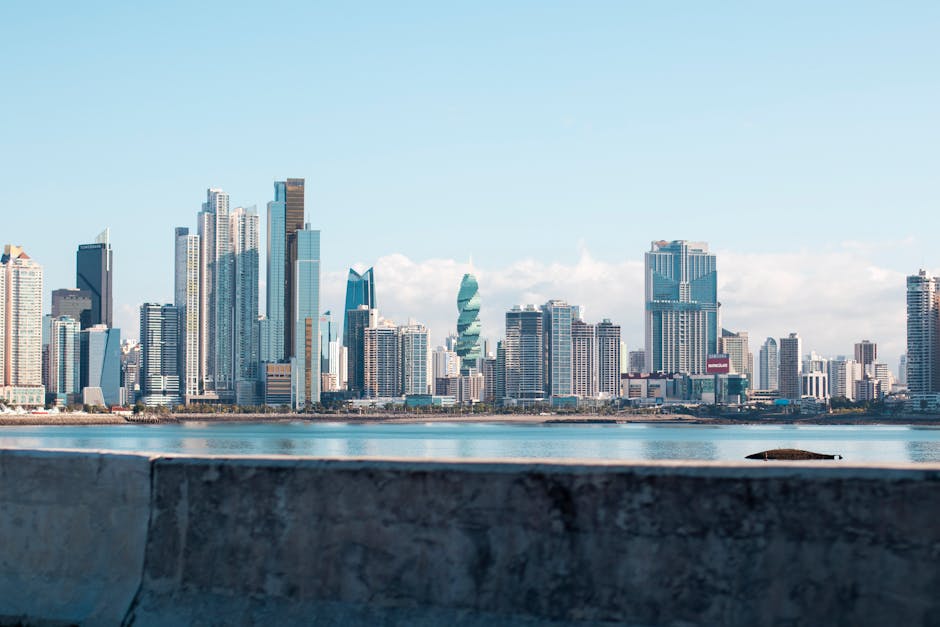
Did You Know? 15 Surprising Facts About Global Cities

Did You Know? 15 Surprising Facts About Global Cities

⏱️ 6 min read

The world's great cities hold countless secrets beneath their bustling streets and towering skylines. From underground mysteries to architectural marvels, these urban centers have fascinating stories that often escape the notice of both residents and visitors. These surprising facts reveal the extraordinary nature of metropolitan life across continents, showcasing the innovation, quirks, and remarkable achievements that make global cities truly exceptional.

Urban Wonders and Hidden Treasures

1. Tokyo's Underground Flood Protection Cathedral

Beneath the streets of Tokyo lies one of the world's most impressive engineering feats: the Metropolitan Area Outer Underground Discharge Channel. This massive underground system features towering pillars in cathedral-like chambers that protect the city from flooding. The facility can pump 200 tons of water per second and has become so visually striking that it's nicknamed the "Underground Temple" and occasionally opens for public tours.

2. Venice Is Built on Millions of Wooden Posts

The romantic city of Venice rests on approximately 10 million wooden piles driven deep into the marshy lagoon floor. These wooden foundations, made primarily from alder trees, have survived for centuries because they're submerged in water with low oxygen levels, preventing decay. The entire city essentially floats on a forest of petrified wood that has become harder than concrete over time.

3. New York City's Secret Subway Station

Hidden beneath New York's City Hall lies a beautifully ornate abandoned subway station that closed in 1945. The station features Romanesque arches, colored glass tiles, and brass chandeliers. Though no longer in regular service, the elegant station remains intact as subway trains loop through it to turn around, and it occasionally opens for special guided tours organized by the New York Transit Museum.

4. London's Smallest Police Station Measures Just One Meter

Located in Trafalgar Square, London's smallest police station is disguised as an ornamental light post. Built in the 1920s, this tiny structure could hold one police officer and a telephone to call for backup. The station was designed to monitor crowds and protestors in the square, and officers could observe through slits in the lamp at the top.

5. Singapore Imports Sand to Expand Its Territory

Since the 1960s, Singapore has imported enormous quantities of sand from neighboring countries to reclaim land from the sea, expanding its territory by approximately 25%. This land reclamation has added roughly 130 square kilometers to the island nation, though several countries have now banned sand exports to Singapore due to environmental concerns.

Architectural Anomalies and Engineering Marvels

6. Paris Has Only One Stop Sign in the Entire City

Despite being one of Europe's busiest capitals, Paris has just a single stop sign located in the 16th arrondissement at the exit of a construction company building. The city relies instead on an extensive system of traffic lights and the priority-to-the-right rule, making this solitary stop sign a curious urban oddity.

7. Mexico City Sinks Nearly 50 Centimeters Each Year

Built on the site of an ancient lake, Mexico City is literally sinking into the ground due to aquifer depletion. The city extracts water from underground reserves faster than they can be replenished, causing the city to sink at rates varying from 6 to 50 centimeters annually in different areas. Some buildings have sunk more than 9 meters over the past century.

8. Helsinki Has Underground Tunnels Equipped as Bomb Shelters

Beneath Helsinki lies a network of over 200 miles of tunnels that function as everything from shopping centers and swimming pools to parking garages. However, these spaces can be converted into bomb shelters capable of housing the entire population of 600,000 residents within 72 hours, complete with hospital facilities, food storage, and air filtration systems.

9. Dubai's Mail Doesn't Use Street Addresses

Until recently, Dubai had no systematic street addressing system. Mail was delivered to P.O. boxes, and residents gave directions using landmarks. The city only implemented a comprehensive street addressing system in 2015, and even now, many longtime residents continue to rely on landmark-based navigation when giving directions.

Cultural Curiosities and Population Phenomena

10. Los Angeles Has More Cars Than People

The City of Angels registers more vehicles than residents, with approximately 1.8 cars per household. The city's sprawling layout and car-centric culture have created a unique urban environment where parking spaces often receive more planning consideration than pedestrian pathways, and the average resident spends over 100 hours per year stuck in traffic.

11. Istanbul Spans Two Continents Simultaneously

Istanbul is the only city in the world that straddles two continents, with the Bosphorus Strait dividing the European and Asian sides. Residents can literally commute between continents during their daily routines, and the city operates ferry services that transport millions of passengers across the strait annually, making transcontinental travel part of ordinary urban life.

12. Mumbai Delivers 200,000 Lunch Boxes Daily With Near-Perfect Accuracy

Mumbai's famous dabbawala system employs over 5,000 workers who collect home-cooked lunches and deliver them to office workers across the city. Using an intricate color-coding system, they transport approximately 200,000 lunch boxes daily with a remarkable error rate of just one in 16 million deliveries, earning a Six Sigma certification for efficiency.

13. Cairo Has More Population Than Entire Countries

Greater Cairo's metropolitan area houses over 20 million people, making it more populous than countries like the Netherlands, Chile, or Australia. The city's population density reaches extraordinary levels in some districts, and the metropolitan area continues to expand rapidly, absorbing surrounding communities at a remarkable pace.

Environmental and Natural Urban Facts

14. Barcelona's Blocks Were Designed With Chamfered Corners

The city's famous Eixample district features octagonal blocks with cut-off corners called chamfers. This unique urban design by Ildefons Cerdà in the 19th century improved visibility at intersections, allowed for easier turning of carriages, and created small public spaces at each corner. The design has become so iconic that it defines Barcelona's urban identity.

15. Shanghai's Skyline Has Been Built Almost Entirely Since 1990

The spectacular Shanghai skyline that exists today was mostly farmland just three decades ago. The Pudong district, now filled with futuristic skyscrapers including the Shanghai Tower and the Oriental Pearl Tower, was developed almost entirely since 1990, representing one of the fastest urban transformations in human history.

Conclusion

These fifteen surprising facts demonstrate that global cities are far more than just concentrations of buildings and people. They are living laboratories of human innovation, adaptation, and cultural expression. From Venice's ancient wooden foundations to Shanghai's modern skyline, from Tokyo's underground temples to Mumbai's incredibly efficient lunch delivery system, cities around the world continue to surprise and inspire. Whether addressing practical challenges like flooding and population density or creating unique cultural phenomena, these urban centers showcase humanity's remarkable ability to build, innovate, and thrive in diverse environments. Understanding these fascinating aspects of global cities enriches our appreciation for the complexity and ingenuity that urban life represents across different cultures and continents.