








⏱️ 6 min read
America's skyline is punctuated by remarkable towers that have become symbols of innovation, ambition, and architectural excellence. From coast to coast, these structures tell stories of engineering marvels, historical significance, and cultural impact. These iconic landmarks continue to captivate millions of visitors annually while shaping the identity of their respective cities.
Architectural Marvels and Historical Significance
The Empire State Building's Lightning Rod Record
The Empire State Building in New York City serves as a natural lightning conductor, being struck by lightning approximately 23 times per year. Built in 1931, this Art Deco masterpiece held the title of world's tallest building for nearly 40 years. Its lightning rod system was specifically designed to protect the structure and has become an integral part of its engineering legacy.
Willis Tower's Revolutionary Bundled Tube Design
Originally known as the Sears Tower, Chicago's Willis Tower introduced the "bundled tube" structural system when it was completed in 1973. This innovative design allowed the building to reach 1,450 feet without requiring excessive steel, revolutionizing skyscraper construction. The nine-tube configuration creates the building's distinctive stepped appearance as tubes terminate at different heights.
Space Needle's Earthquake-Resistant Foundation
Seattle's Space Needle, built for the 1962 World's Fair, can withstand winds up to 200 miles per hour and earthquakes measuring up to 9.0 magnitude. The foundation alone weighs 5,850 tons, with 72 bolts anchoring it 30 feet underground. This engineering feat ensures the 605-foot structure remains stable in the Pacific Northwest's seismically active region.
Stratosphere Tower's Thrilling Height Record
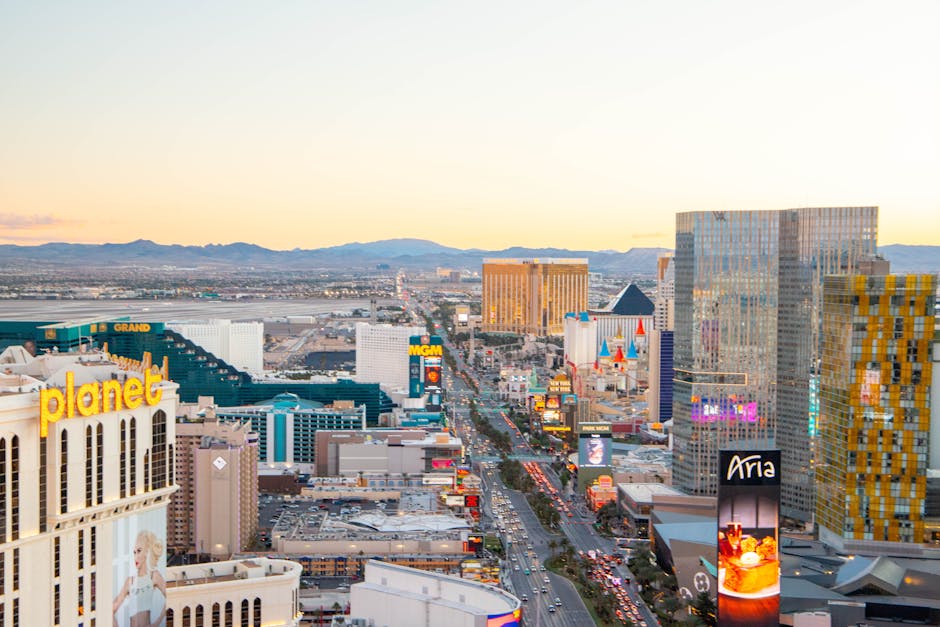
The Stratosphere Tower in Las Vegas stands as the tallest freestanding observation tower in the United States at 1,149 feet. Beyond its observation decks, it features the highest thrill rides in the world, including roller coasters and a controlled free fall. The tower contains over 2.5 million pounds of reinforced steel bars.
Construction and Engineering Feats
Sutro Tower's Massive Red and White Antenna
San Francisco's Sutro Tower, standing 977 feet tall, broadcasts signals for eleven television stations and four FM radio stations. Completed in 1973, the distinctive red and white tower is visible from up to 60 miles away on clear days. Its three-legged design creates a stable platform for antennas while minimizing its footprint on the mountaintop location.
The Gateway Arch's Perfect Catenary Curve
St. Louis's Gateway Arch, though technically an arch, functions as a monument tower reaching 630 feet. It's the tallest man-made monument in the United States and perfectly follows a catenary curve, the shape a heavy chain takes when suspended from two points. The stainless steel structure contains a unique tram system that transports visitors to the top.
Reunion Tower's Distinctive Geodesic Dome
Dallas's Reunion Tower features a geodesic dome with 260 LED lights that create stunning nighttime displays. Completed in 1978, the 560-foot tower's sphere contains a revolving restaurant that completes one full rotation every hour. The structure has become one of the most recognizable elements of the Dallas skyline.
Bank of America Plaza's Energy-Efficient Design
Atlanta's Bank of America Plaza stands as the tallest building in any U.S. state capital at 1,023 feet. Completed in 1992, its distinctive spire and gold leaf detailing make it visible for miles. The building incorporates numerous energy-efficient features that were innovative for its time, including advanced HVAC systems and window glazing.
Cultural Impact and Tourism
Coit Tower's Depression-Era Murals
San Francisco's Coit Tower, a 210-foot Art Deco tower built in 1933, houses some of the finest examples of Depression-era public art. Twenty-seven artists created frescoes depicting California life during the 1930s as part of the Public Works of Art Project. The tower itself honors the city's firefighters and provides panoramic views of the Bay Area.
Trump Tower Chicago's Riverside Location
Chicago's Trump International Hotel and Tower stands at 1,389 feet along the Chicago River, making it the second-tallest building in the city. Completed in 2009, its design incorporates setbacks that mirror surrounding buildings, creating a contextual relationship with Chicago's architectural heritage. The building contains residential, hotel, and commercial spaces.
One World Trade Center's Symbolic Height
One World Trade Center in New York reaches exactly 1,776 feet in reference to the year of American independence. Completed in 2014, it stands as the tallest building in the Western Hemisphere. The building incorporates numerous safety features and sustainable design elements, achieving LEED Gold certification.
CN Tower's American Connection
While technically in Toronto, Canada, the CN Tower's design and construction involved significant American engineering expertise and has influenced numerous U.S. tower projects. At 1,815 feet, it demonstrated possibilities for communications towers that inspired American structures. Many American tourists visit annually, making it relevant to U.S. tower discussions.
Unique Features and Records
Transamerica Pyramid's Earthquake Technology
San Francisco's Transamerica Pyramid, standing 853 feet tall, features a unique pyramid shape that performs exceptionally well during earthquakes. The building sits on a deep foundation designed to sway during seismic events, and its base is wider than necessary for stability, providing additional earthquake resistance. Completed in 1972, it remained San Francisco's tallest building for 45 years.
U.S. Bank Tower's Distinctive Crown
Los Angeles's U.S. Bank Tower reaches 1,018 feet and features a dramatic crown with helipads and architectural lighting. The building employs advanced seismic safety features, including massive shock absorbers that allow it to move safely during earthquakes. Its appearance in numerous films has made it an icon of Los Angeles architecture.
John Hancock Center's Residential-Commercial Mix
Chicago's John Hancock Center pioneered the mixed-use skyscraper concept when completed in 1969. Standing 1,128 feet tall with distinctive X-bracing visible on its exterior, it contains retail, offices, residences, and a restaurant. The building's tapered design and structural system influenced countless towers worldwide.
Terminal Tower's Historic Significance
Cleveland's Terminal Tower, completed in 1930, stood as the tallest building outside New York City for decades. The 708-foot tower served as a railroad terminal and office building, representing Cleveland's importance as a transportation hub. It remains a beloved symbol of the city and underwent extensive renovation to preserve its historic character.
Smith Tower's Early Skyscraper Status
Seattle's Smith Tower, completed in 1914, was the tallest building west of the Mississippi River for nearly 50 years. The 462-foot tower features a distinctive pyramidal top with an observatory that offers intimate views of Seattle. Its ornate lobby and manually operated elevators provide glimpses into early 20th-century architecture and technology.
Renaissance Tower's Modernist Design
Dallas's Renaissance Tower stands 886 feet tall and exemplifies late modernist architecture with its clean lines and geometric form. Completed in 1975, the building features a distinctive notched corner and served as the headquarters for multiple major corporations. Its plaza and street-level design contribute to downtown Dallas's urban fabric.
Conclusion
These eighteen remarkable towers represent more than mere height records—they embody American innovation, architectural ambition, and engineering excellence. From the earthquake-resistant designs of West Coast structures to the historic landmarks of the East Coast, each tower tells a unique story of its era and location. These structures continue to serve practical purposes while functioning as beloved landmarks that define their cities' identities. Whether through innovative structural systems, distinctive aesthetics, or cultural significance, America's famous towers remain testaments to human creativity and the enduring desire to reach skyward. They stand as monuments to progress, attracting millions of visitors annually who seek to experience the views, history, and architectural splendor these magnificent structures offer.