










Which sport rewards you for knocking everything down?

1 / 10 Questions
0 Points

Which sport rewards you for knocking everything down?

Bowling

Baseball

Tennis

Golf

Points won
0
Correct score
0%

More Questions

More Articles

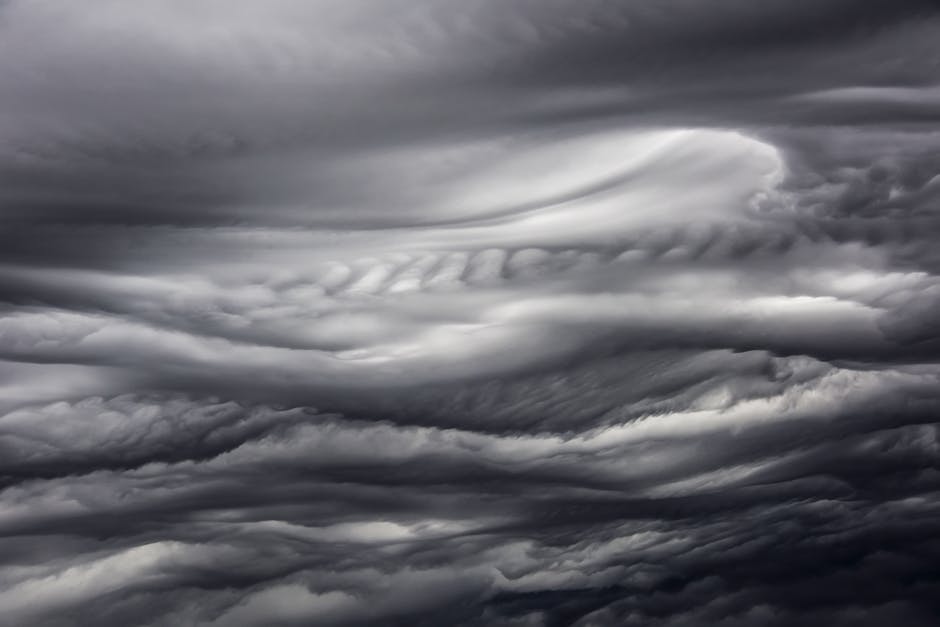
Did You Know? 15 Quirky Facts About Weather Patterns

Did You Know? 15 Quirky Facts About Weather Patterns

⏱️ 4 min read

Did You Know? 15 Quirky Facts About Weather Patterns

Weather patterns shape our daily lives and influence the world around us in fascinating ways. From peculiar precipitation phenomena to unusual atmospheric events, here are 15 intriguing facts about weather patterns that demonstrate nature's remarkable complexity.

1. Diamond Dust in the Arctic

In extremely cold conditions, typically below -30°C (-22°F), tiny ice crystals can form in the air, creating a spectacular phenomenon called "diamond dust." These crystals sparkle in the sunlight, resembling floating diamonds in the atmosphere.

2. Thunder Snow Mystery

While rare, thundersnow occurs when thunder and lightning happen during a snowstorm. This phenomenon is approximately 10 times less common than regular thunderstorms and often produces muffled thunder due to snow's sound-dampening properties.

3. Atmospheric Rivers

Invisible rivers of water vapor flow through the sky, carrying roughly the same amount of water as the Amazon River. These "atmospheric rivers" can stretch for thousands of miles and are responsible for major precipitation events worldwide.

4. Morning Glory Cloud

Australia's Gulf of Carpentaria experiences a unique meteorological phenomenon called the Morning Glory cloud - a massive roll cloud that can stretch for up to 1,000 kilometers. It's one of the few places where this weather pattern can be predicted reliably.

5. St. Elmo's Fire

During intense electrical storms, pointed objects can exhibit luminous plasma discharge, creating an eerie blue or violet glow known as St. Elmo's Fire. Sailors historically considered this phenomenon a good omen.

6. Rain Bombs

Microbursts, nicknamed "rain bombs," are intense downdrafts that can produce winds exceeding 100 mph within a small area. These dangerous weather events can occur in both wet and dry conditions and last only minutes.

7. Blood Rain

Red-colored rainfall, known as "blood rain," occurs when rain mixes with fine particles of sand or dust. This phenomenon is particularly common when dust from the Sahara Desert is carried over Europe by wind currents.

8. Frost Flowers

Under specific temperature and humidity conditions, delicate ice crystals can form on plant stems, creating beautiful formations called frost flowers. These rare structures occur when sap expands and pushes through plant stems.

9. Fire Whirls

When intense heat and specific wind conditions combine, they can create fire whirls or "fire tornadoes." These rotating columns of fire can reach heights of 100 feet and temperatures of 2,000°F.

10. Mammatus Clouds

These distinctive cloud formations feature pouch-like structures hanging from the underside of clouds. While often associated with severe thunderstorms, mammatus clouds themselves don't necessarily indicate dangerous weather.

11. Ball Lightning

This mysterious atmospheric phenomenon appears as glowing, electrically charged spheres that can persist for several seconds. While documented throughout history, scientists still debate its exact cause and nature.

12. Fog Bows

Similar to rainbows but appearing in fog, fog bows form when sunlight interacts with tiny water droplets in fog. They appear as white or faint rainbow-colored arcs due to the smaller size of fog droplets compared to raindrops.

13. Heat Bursts

These rare atmospheric events can cause temperature increases of 20°F or more in just minutes, typically occurring at night when a dying thunderstorm's downdraft rapidly warms as it descends.

14. Snow Rollers

Under precise conditions of temperature, snow consistency, and wind speed, nature can create snow rollers - rare cylindrical snowballs that form naturally when wind pushes snow along the ground.

15. Green Flash

This optical phenomenon occurs just as the sun sets or rises, creating a brief flash of green light. It requires specific atmospheric conditions and a clear horizon to be visible.

Conclusion

These 15 fascinating weather phenomena demonstrate the incredible diversity and complexity of Earth's atmospheric patterns. From the ethereal beauty of diamond dust to the powerful force of fire whirls, weather continues to surprise and intrigue scientists and weather enthusiasts alike. Understanding these unusual patterns not only enriches our appreciation of natural phenomena but also helps in predicting and preparing for various weather conditions.

As climate patterns continue to evolve and change, researchers continue to discover new aspects of these weather phenomena, making meteorology an ever-evolving field of study. These quirky weather patterns remind us of the dynamic and sometimes unpredictable nature of our planet's atmosphere.
Fun American Geography Trivia: 18 Facts About US Rivers

Fun American Geography Trivia: 18 Facts About US Rivers

⏱️ 4 min read

Fun American Geography Trivia: 18 Facts About US Rivers

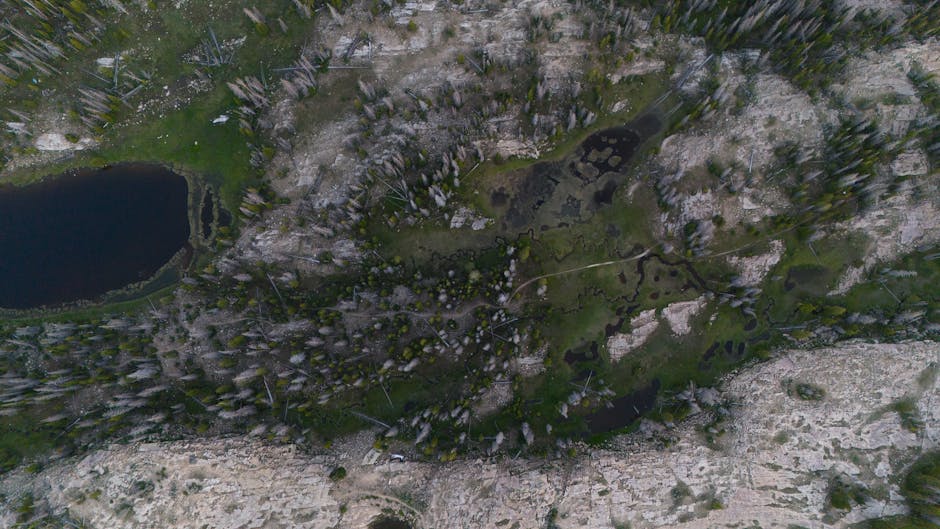
Rivers have played a crucial role in shaping American geography, history, and development. From mighty waterways that divide states to hidden gems that carve through canyons, here are 18 fascinating facts about rivers in the United States that showcase the country's diverse waterways.

1. The Mighty Mississippi

The Mississippi River, stretching 2,340 miles, is the second-longest river in North America. It drains all or parts of 31 U.S. states and two Canadian provinces, making it the largest drainage system in North America.

2. Missouri's Length Record

Despite popular belief, the Missouri River is actually longer than the Mississippi, extending 2,341 miles. Combined with the lower Mississippi, it forms the longest river system in North America at 3,902 miles.

3. Shortest River

The Roe River in Montana once held the Guinness World Record for being the world's shortest river, measuring just 201 feet in length. It flows from Giant Springs to the Missouri River.

4. The Colorado's Power

The Colorado River carved the Grand Canyon over millions of years, creating a gorge up to 18 miles wide and one mile deep. It provides water to seven U.S. states through various agreements and treaties.

5. Ancient Hudson

The Hudson River flows through a fjord for part of its length, carved by glaciers during the last ice age. Its deep channel allows ocean-going vessels to reach Albany, New York, 150 miles inland.

6. Reversing Direction

The Chicago River is famous for having its flow artificially reversed in 1900 to prevent sewage from flowing into Lake Michigan, representing one of the largest civil engineering projects of its time.

7. The Rio Grande Border

The Rio Grande serves as a 1,254-mile natural border between the United States and Mexico, making it a crucial geographical and political boundary in North America.

8. Snake River's Depth

Hells Canyon, carved by the Snake River, is North America's deepest river gorge at 7,993 feet deep, surpassing even the Grand Canyon in depth.

9. Yukon's Gold History

The Yukon River played a crucial role in the Klondike Gold Rush of 1896-1899, serving as a major transportation route for prospectors heading to Alaska and Canada.

10. St. Lawrence Seaway

The St. Lawrence River forms part of the St. Lawrence Seaway, allowing ocean-going vessels to travel from the Atlantic Ocean to the Great Lakes, revolutionizing North American shipping.

11. Columbia's Power Generation

The Columbia River is the largest hydroelectric power-producing river in North America, with 14 major hydroelectric dams generating enough electricity to power several million homes.

12. Tennessee's Uniqueness

The Tennessee River is unique because it flows in a U-shape, starting in Tennessee, dipping into Alabama, and then turning north through Tennessee again before reaching Kentucky.

13. Red River Mystery

The Red River, which forms part of the Texas-Oklahoma border, gets its name from its red color caused by red clay and minerals in its riverbed.

14. The American Nile

The Sacramento River is often called "The American Nile" due to its importance to California agriculture, providing irrigation water to the fertile Sacramento Valley.

15. Delaware's Significance

The Delaware River is the longest un-dammed river east of the Mississippi, flowing freely for 330 miles through four states, and providing water to more than 15 million people.

16. Kenai's Salmon

Alaska's Kenai River is famous for producing some of the largest salmon in the world, including the world record king salmon weighing 97 pounds, 4 ounces.

17. Ohio's Commerce

The Ohio River transports more cargo than any other U.S. river, moving over 184 million tons of cargo annually, primarily coal, steel, and agricultural products.

18. Connecticut's Name

The Connecticut River, New England's longest river, derives its name from the Mohegan word "quinetucket," meaning "beside the long tidal river," reflecting its Native American heritage.

Conclusion

These 18 fascinating facts about U.S. rivers demonstrate the incredible diversity and importance of America's waterways. From the mighty Mississippi-Missouri system to the shortest Roe River, each waterway has played a unique role in shaping the nation's geography, economy, and culture. These rivers continue to serve as vital resources for transportation, power generation, irrigation, and recreation, making them essential elements of American geography and daily life.