









⏱️ 6 min read
Rivers have shaped civilizations, carved continents, and continue to be vital arteries of life across our planet. These flowing waterways hold countless fascinating secrets and surprising facts that showcase the incredible diversity of Earth's geography. From record-breaking lengths to unusual chemical compositions, the world's rivers offer endless discoveries for geography enthusiasts and curious minds alike.
Remarkable River Facts From Around the World
1. The Nile's Disputed Championship Title
For decades, the Nile River in Africa held the undisputed title of the world's longest river at approximately 4,135 miles. However, recent satellite measurements and expeditions have suggested that South America's Amazon River might actually be longer, potentially reaching 4,345 miles when measuring from a different source point in Peru. This geographical debate continues among scientists, making the "longest river" title one of the most contested records in geography.
2. The Amazon's Massive Water Volume
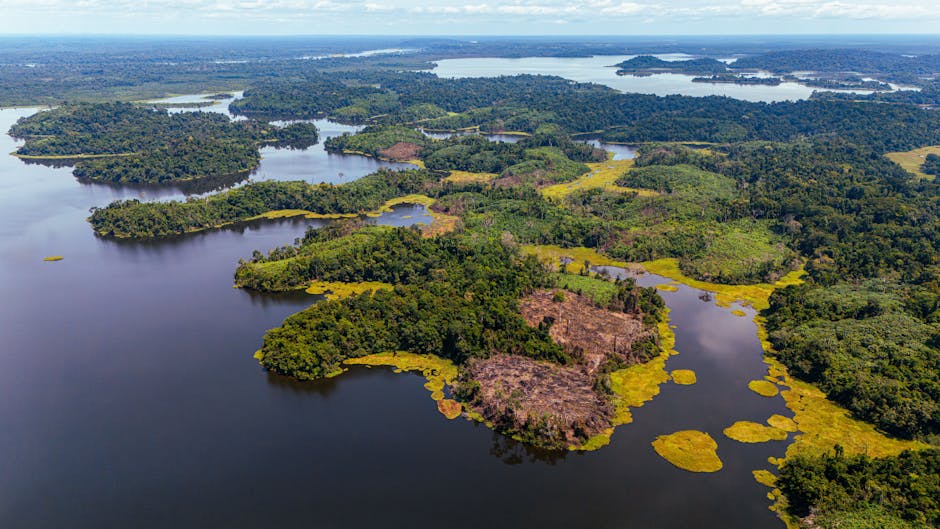
While length remains debatable, the Amazon River definitively wins the title for water volume. This South American giant discharges approximately 209,000 cubic meters of water per second into the Atlantic Ocean, which represents about 20% of all freshwater entering the world's oceans. During the wet season, this mighty river can be as wide as 30 miles in some locations.
3. Rivers That Flow Backwards
The Chicago River famously had its flow reversed through engineering in 1900 to prevent sewage from contaminating Lake Michigan. However, natural flow reversals also occur. During Hurricane Katrina, the Mississippi River briefly reversed direction due to storm surge, and Florida's St. Johns River naturally flows northward, one of the few rivers in North America to do so.
4. The Oldest River System on Earth
Australia's Finke River claims the title of the world's oldest river system, with parts of its course estimated to be between 300 and 400 million years old. This ancient waterway has maintained portions of its original path since the Paleozoic Era, predating the age of dinosaurs and witnessing countless geological transformations.
5. A River With No Outlet to the Sea
The Okavango River in Africa creates one of the world's largest inland deltas in Botswana, never reaching the ocean. Instead, it spreads into the Kalahari Desert, creating a 6,000-square-mile oasis that supports diverse wildlife. This unique feature makes it one of the few major river systems that doesn't empty into a sea or ocean.
6. The Shortest River Ever Recorded
The Roe River in Montana, USA, held the Guinness World Record for the shortest river at just 201 feet long. Though the record category has been retired due to disputes over what constitutes a river versus a stream, this tiny waterway demonstrates that rivers come in all sizes, from continental giants to backyard brooks.
7. Rivers Beneath Rivers
Scientists discovered a massive underground river flowing beneath the Amazon River, dubbed the Hamza River after the researcher who led the study. Located approximately 13,000 feet below the Amazon, this subterranean flow moves much slower than its surface counterpart, traveling only meters per year compared to the Amazon's meters per second.
8. The Danube's Multinational Journey
The Danube River flows through or borders ten countries, more than any other river in the world. Starting in Germany's Black Forest, it passes through Austria, Slovakia, Hungary, Croatia, Serbia, Romania, Bulgaria, Moldova, and Ukraine before emptying into the Black Sea, making it a truly international waterway.
9. Boiling River of the Amazon
Deep in the Peruvian Amazon, the Shanay-Timpishka River reaches temperatures up to 200°F (93°C), hot enough to brew tea or cook small animals that fall in. This geothermal phenomenon was long considered a myth until scientists confirmed its existence, creating a unique ecosystem found nowhere else on Earth.
10. The Colorful Meeting of Waters
Near Manaus, Brazil, the dark Rio Negro and the sandy-colored Amazon River flow side by side for nearly four miles without mixing, creating a striking visual phenomenon. This occurs due to differences in temperature, speed, and water density between the two rivers, eventually merging to continue as the Amazon.
11. A River That Crosses the Equator Twice
The Congo River in Africa holds the unique distinction of crossing the equator twice during its journey. This positioning makes it the only major river to accomplish this geographic feat, resulting in portions of the river experiencing different seasonal patterns simultaneously.
12. The Ganges' Sacred Significance
India's Ganges River supports more than 400 million people along its banks, making it the most densely populated river basin in the world. Beyond its practical importance, it holds profound spiritual significance in Hinduism, with millions traveling annually to bathe in its waters for purification and religious ceremonies.
13. Rivers That Create Their Own Clouds
The Amazon River and its tributaries release so much water vapor through evaporation and transpiration from surrounding rainforest that they create "flying rivers" of moisture in the atmosphere. These aerial streams carry more water than the Amazon River itself and influence weather patterns across South America.
14. The Dead Sea's Shrinking Sources
The Jordan River, famous in religious and historical texts, has been reduced to a fraction of its former flow. Water diversion for agriculture and consumption has decreased its output into the Dead Sea by over 90%, contributing to the Dead Sea's dramatic decline of more than three feet per year.
15. Underground River Cave Systems
The Puerto Princesa Underground River in the Philippines flows directly into the sea and features a spectacular limestone cave system. At 5 miles long, this subterranean river creates stunning rock formations and harbors unique cave-dwelling species adapted to complete darkness.
16. The Mekong's Biodiversity Hotspot
Southeast Asia's Mekong River ranks as the world's most productive inland fishery and supports over 1,300 fish species. Scientists regularly discover new species in this biodiversity hotspot, including the critically endangered Mekong giant catfish, which can weigh up to 660 pounds.
17. Rivers Flowing Through Deserts
The Nile River creates a narrow green ribbon through the Sahara Desert, with 95% of Egypt's population living within a few miles of its banks. This phenomenon demonstrates how rivers can sustain life in otherwise inhospitable environments, serving as literal lifelines through barren landscapes.
18. The Rhine's Economic Powerhouse Status
Europe's Rhine River serves as one of the world's busiest waterways for cargo transport, carrying more goods than any other river globally. Approximately 300 million tons of cargo travel along its course annually, connecting Switzerland, Germany, France, and the Netherlands in a vital economic network.
The Enduring Importance of Rivers
These eighteen fascinating facts merely scratch the surface of the remarkable stories that rivers tell about our planet. From ancient geological formations to modern environmental challenges, from record-breaking dimensions to unique ecosystems, rivers continue to shape our world in countless ways. They serve as transportation corridors, provide sustenance for billions, generate power, and create boundaries between nations. Understanding these waterways helps us appreciate the complex interconnections between geography, ecology, human civilization, and the ongoing need for conservation efforts to protect these vital natural resources for future generations.