









⏱️ 7 min read
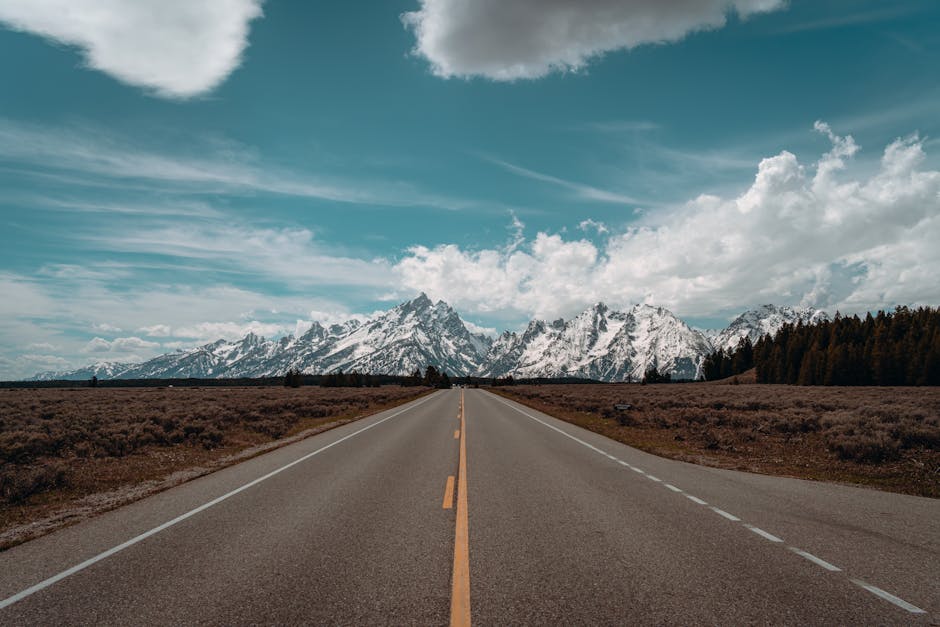
Rising majestically above the Jackson Hole valley in northwestern Wyoming, Grand Teton stands as one of America's most iconic mountain peaks. Part of the breathtaking Teton Range, this geological wonder has captivated visitors, mountaineers, and nature enthusiasts for centuries. Beyond its stunning visual appeal, Grand Teton harbors a wealth of fascinating historical, geological, and ecological secrets that many visitors never discover.
Remarkable Facts About Grand Teton
1. The Controversial French Name
The name "Grand Teton" has French origins that date back to the early 19th century. French-Canadian fur trappers named the three prominent peaks "Les Trois Tétons," meaning "The Three Breasts." This rather provocative name reflects the mountain men's long isolation in the wilderness. The tallest peak became known as Grand Teton, while its neighbors were dubbed Middle Teton and South Teton. Despite several attempts over the years to change this unusual nomenclature, the original French names have endured.
2. America's Youngest Mountain Range
The Teton Range is geologically young compared to most other mountain ranges in North America. The mountains began forming approximately 9 million years ago through a combination of tectonic plate movement and faulting. This makes them significantly younger than ranges like the Appalachians, which formed over 300 million years ago. The relatively recent formation explains why the Tetons have such sharp, jagged peaks—they haven't experienced millions of years of erosion that would round their features.
3. An Impressive Elevation
Grand Teton reaches an elevation of 13,775 feet above sea level, making it the second-highest peak in Wyoming after Gannett Peak. However, what makes Grand Teton particularly striking is its vertical relief. The mountain rises approximately 7,000 feet above the valley floor without any foothills to diminish its dramatic appearance. This nearly vertical ascent from the Jackson Hole valley creates one of the most spectacular mountain vistas in North America.
4. The Fault Line Phenomenon
The Teton Range was created by a geological process called block faulting along the Teton Fault. Over millions of years, the western block (the mountain range) has risen while the eastern block (Jackson Hole valley) has dropped. The Teton Fault remains active today, with the mountains continuing to rise at a rate of approximately one foot per century. This ongoing tectonic activity occasionally produces minor earthquakes in the region.
5. Glacial Sculpting
While tectonic forces created the Teton Range, glaciers sculpted the dramatic features visitors see today. During the last ice age, massive glaciers carved out the distinctive U-shaped canyons, created the alpine lakes, and sharpened the mountain peaks. Several small glaciers still exist on Grand Teton, including the Teton Glacier on the mountain's eastern slopes, though these remnant glaciers have been shrinking due to climate change.
6. The First Recorded Summit
The first documented successful ascent of Grand Teton occurred on August 11, 1898, by William Owen, Franklin Spalding, Frank Petersen, and John Shive. However, controversy surrounds this achievement. Members of the 1872 Hayden Geological Survey claimed to have reached the summit 26 years earlier, but their account lacks definitive proof. The debate over who truly summited first raged for decades and became known as one of mountaineering's most contentious disputes.
7. A Challenging Climbing Destination
Despite not being the tallest peak in Wyoming, Grand Teton is considered one of the most challenging climbs in the lower 48 states. The standard Owen-Spalding route requires technical rock climbing skills, and climbers must navigate steep terrain, exposure to extreme weather, and altitude challenges. Thousands attempt the summit each year, but many turn back due to the difficulty. The mountain demands respect, preparation, and proper equipment.
8. The Exum Ridge Route
One of the most famous climbing routes on Grand Teton is the Exum Ridge, first climbed by Glenn Exum in 1931. Legend has it that Exum, then just 18 years old, climbed the route solo while wearing football cleats because he lacked proper climbing boots. The Exum Ridge remains one of the most popular technical routes on the mountain and is considered a classic American alpine climb, attracting experienced climbers from around the world.
9. Diverse Wildlife Habitat
Grand Teton and the surrounding national park provide habitat for an impressive array of wildlife. The region supports populations of grizzly bears, black bears, moose, elk, bison, wolves, and mountain lions. Over 300 bird species have been documented in the area. The elevation gradient from valley floor to summit creates multiple ecological zones, each supporting different plant and animal communities, making this one of the most biodiverse regions in the Rocky Mountains.
10. National Park Establishment
Grand Teton National Park was established in 1929, though it was initially much smaller than today's park. The park's creation involved considerable controversy, as local ranchers and businesses opposed federal protection of the land. Philanthropist John D. Rockefeller Jr. secretly purchased thousands of acres of valley land, which he later donated to the National Park Service. The park wasn't expanded to its current size until 1950, when these lands were finally incorporated.
11. Ancient Human Presence
Archaeological evidence indicates that humans have been present in the Teton region for at least 11,000 years. Native American tribes, including the Shoshone, Bannock, Blackfeet, Crow, and Gros Ventre, used the area for hunting and gathering. They traveled through the mountain passes seasonally, following game and harvesting plants. Many tribal groups consider the Tetons sacred, and the mountains hold deep spiritual significance in their cultural traditions.
12. The Hidden Fault Lake
Jackson Lake, located at the base of the Teton Range, was naturally formed by glacial processes but sits directly above the Teton Fault. In 1916, a dam was constructed that raised the lake's water level by 39 feet, creating a reservoir for irrigation. This makes Jackson Lake unusual—it's both a natural lake and a man-made reservoir. The lake's depth reaches 438 feet, and its position along the fault line makes it geologically significant.
13. Unique Alpine Wildflowers
The Grand Teton ecosystem supports numerous rare and endemic plant species adapted to the harsh alpine environment. Above the treeline, unique wildflowers bloom during the brief summer season, including alpine forget-me-nots, moss campion, and sky pilots. Some plants found on Grand Teton exist nowhere else on Earth. These alpine species have evolved special adaptations to survive extreme cold, intense UV radiation, and short growing seasons.
14. Lightning Strike Statistics
Grand Teton experiences frequent lightning strikes during summer thunderstorms, making it one of the most electrically active peaks in North America. The mountain's prominence and elevation make it a natural lightning rod. Several climbers have been killed or injured by lightning on the mountain over the years. Climbers are advised to begin their summit attempts before dawn to descend before afternoon thunderstorms develop, which occur almost daily during summer months.
15. Astronomical Research History
The clear, dark skies around Grand Teton have made the region valuable for astronomical observation. In the early 20th century, astronomers recognized the area's potential for stargazing due to minimal light pollution and high elevation. Today, Grand Teton National Park is designated as an International Dark Sky Park, one of the best places in the United States for observing celestial phenomena. The park hosts regular astronomy programs, allowing visitors to experience the spectacular night skies that have inspired observers for generations.
Conclusion
Grand Teton represents far more than just a beautiful mountain peak. Its geological youth, dramatic formation, rich human history, and ecological significance combine to create a landmark of exceptional importance. From its controversial French name to its role in modern conservation, from ancient Native American spiritual connections to contemporary climbing achievements, Grand Teton embodies the complex relationship between humans and the natural world. Whether viewed from the valley floor or experienced firsthand by those who venture onto its slopes, Grand Teton continues to inspire wonder and respect, standing as a testament to the powerful forces that shape our planet and the enduring appeal of wild places.