


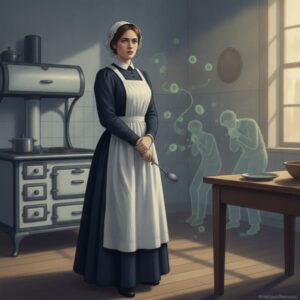
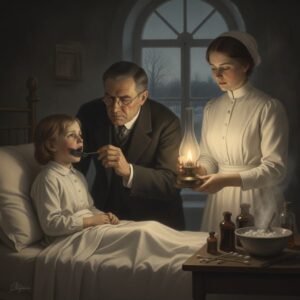
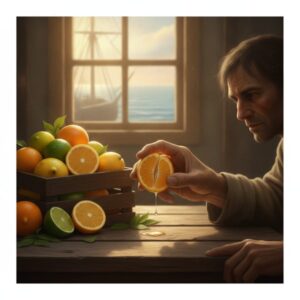
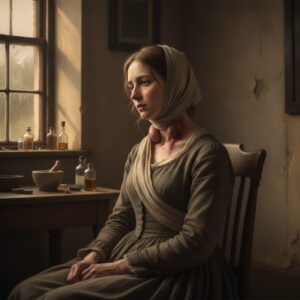
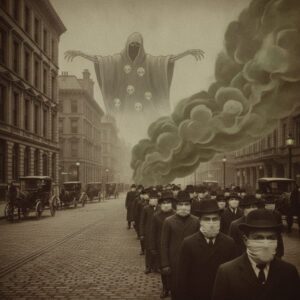
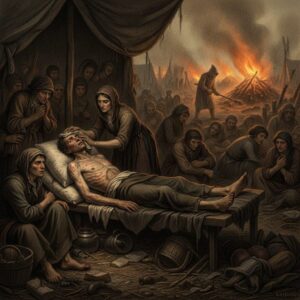
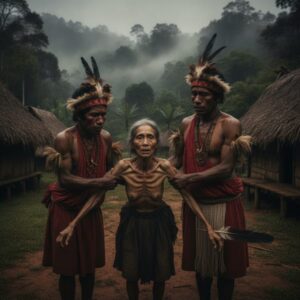

Forgotten Diseases That Once Terrified Society

1 / 10 Questions
0 Points

What disease caused "iron lungs" to fill hospital wards across America in the 1940s and 1950s?

Polio

Diphtheria

Scarlet Fever

Tuberculosis

Points won
0
Correct score
0%

More Questions

More Articles

World Culture Trivia: 20 Questions on Entertainment

World Culture Trivia: 20 Questions on Entertainment

⏱️ 6 min read

Entertainment transcends borders, languages, and cultures, serving as a universal language that connects people across the globe. From ancient theatrical traditions to modern streaming phenomena, the world of entertainment reflects the diversity and creativity of human expression. This collection of trivia questions explores fascinating facts about global entertainment, challenging your knowledge of cinema, music, television, theater, and performance arts from every corner of the planet.

Questions That Test Your Global Entertainment Knowledge

1. The Birthplace of Opera

Which country is credited with the birth of opera in the late 16th century? Italy holds this distinction, with the first recognized opera, "Dafne," composed by Jacopo Peri around 1597 in Florence. This art form combined music, drama, and stagecraft in revolutionary ways, eventually spreading throughout Europe and becoming a cornerstone of Western classical music tradition.

2. Bollywood's Massive Output

How many films does India's Bollywood industry produce annually on average? Bollywood produces between 1,500 to 2,000 films each year, making it one of the largest film industries in the world by volume. This surpasses Hollywood's output and reflects India's enormous domestic market and cultural appetite for cinema.

3. The Longest-Running Musical

What Broadway musical holds the record for the longest-running show in history? "The Phantom of the Opera" by Andrew Lloyd Webber claimed this title, running for 35 years from 1988 to 2023. The production enchanted over 19 million audience members and became a cultural phenomenon, with productions staged worldwide.

4. Traditional Japanese Theater Form

What is the name of the classical Japanese dance-drama known for its elaborate costumes and stylized movements? Kabuki theater, which originated in the early 17th century, features exclusively male performers and is recognized by UNESCO as an Intangible Cultural Heritage. The art form combines music, dance, and mime in highly choreographed performances.

5. The Eurovision Song Contest Origin

In what year did the Eurovision Song Contest first broadcast, and which country won? The contest debuted in 1956, with Switzerland taking the inaugural victory with Lys Assia's "Refrain." This competition has since become one of the longest-running international television programs, fostering musical exchange across Europe and beyond.

6. K-Pop's Global Breakthrough

Which South Korean music video became the first to reach one billion views on YouTube? "Gangnam Style" by PSY achieved this milestone in December 2012, becoming a global viral phenomenon. This breakthrough moment helped pave the way for K-pop's subsequent worldwide popularity and cultural influence.

7. Nollywood's Ranking

Where does Nigeria's film industry, Nollywood, rank globally in terms of production volume? Nollywood ranks as the second-largest film industry by volume, producing approximately 2,500 films annually. Despite often modest budgets, these films have tremendous influence across Africa and within the African diaspora.

8. The Ancient Greek Theater Innovation

What architectural feature did ancient Greek theaters introduce that improved acoustics? Greek theaters incorporated a semicircular design with tiered seating carved into hillsides, creating natural amplification. This ingenious design allowed thousands of spectators to hear performances clearly without modern sound systems.

9. Chinese Opera Varieties

How many major regional varieties of Chinese opera exist? Over 300 varieties of Chinese opera have been documented, with Peking Opera (Beijing Opera) being the most famous internationally. Each style features distinct musical patterns, dialects, and performance conventions reflecting regional cultures.

10. Telenovela Origins

Which Latin American country is credited with pioneering the telenovela format? Brazil and Cuba both claim early contributions, but Cuba's "El Derecho de Nacer" (1948) is often cited as the first true telenovela. These serialized dramas have since become cultural exports, influencing television programming worldwide.

11. The Cannes Film Festival Prestige

What is the name of the highest prize awarded at the Cannes Film Festival? The Palme d'Or (Golden Palm) represents the festival's most prestigious honor, awarded to the best film in the main competition. Winning this award often catapults filmmakers and films to international recognition and critical acclaim.

12. Flamenco's Cultural Recognition

In which Spanish region did flamenco originate, and what year did UNESCO recognize it? Flamenco emerged from Andalusia in southern Spain, blending Romani, Moorish, and Spanish cultural influences. UNESCO inscribed it as Intangible Cultural Heritage of Humanity in 2010, recognizing its artistic and cultural significance.

13. The Shakespeare Question

How many plays are traditionally attributed to William Shakespeare? Scholars generally agree on 37 plays, though debates continue about collaborative works and lost plays. Shakespeare's works have been translated into every major language and performed more frequently than those of any other playwright.

14. Anime's Economic Impact

What percentage of the world's animation production does Japanese anime represent? Anime accounts for approximately 60% of global animation content, demonstrating Japan's dominant position in this entertainment sector. The industry generates billions in revenue through domestic and international markets.

15. African Storytelling Tradition

What is the West African term for traditional storytellers who preserve oral history through performance? Griots serve as historians, musicians, and entertainers in West African cultures, passing down genealogies, histories, and cultural knowledge through generations. Their performances combine music, poetry, and narrative in dynamic presentations.

16. The Streaming Revolution

Which non-English language series became Netflix's most-watched show globally in 2021? "Squid Game," a South Korean survival drama, shattered viewing records with over 1.65 billion hours watched in its first 28 days. This success demonstrated the global appetite for international content and helped shift entertainment industry paradigms.

17. Carnival's Entertainment Legacy

Which country hosts the largest Carnival celebration in the world? Brazil's Carnival, particularly in Rio de Janeiro, attracts millions of participants and spectators annually. The festival features elaborate parades, samba competitions, and street parties that showcase Brazilian music, dance, and cultural expression.

18. The Oldest Film Festival

What is the world's oldest film festival, established in 1932? The Venice Film Festival (Venice International Film Festival) holds this distinction, though it paused during World War II. The festival awards the Golden Lion to its best film and remains one of cinema's most prestigious events.

19. Indigenous Australian Performance

What is the traditional Aboriginal musical instrument that has been used in ceremonies for over 1,500 years? The didgeridoo, originating in northern Australia, produces distinctive drone sounds and holds deep spiritual significance. Modern musicians have incorporated this ancient instrument into contemporary genres, introducing it to global audiences.

20. The Global Theater Festival Network

Which city hosts the world's largest arts festival, featuring thousands of performances annually? The Edinburgh Festival Fringe in Scotland holds this record, with over 3,000 shows across multiple venues each August. The festival has launched countless careers and serves as a crucial platform for innovative performance art.

Conclusion

These twenty questions illuminate the remarkable diversity and richness of global entertainment traditions. From ancient theatrical forms that have endured for millennia to contemporary streaming phenomena that cross borders in seconds, entertainment continues to evolve while honoring cultural roots. Understanding these global perspectives enriches our appreciation for how different societies express creativity, preserve heritage, and connect with audiences. Whether through the elaborate costumes of Kabuki, the passionate rhythms of flamenco, or the viral reach of K-pop, entertainment remains a powerful force for cultural exchange and human connection across our increasingly interconnected world.
Did You Know These 20 Facts About US Music Genres?

Did You Know These 20 Facts About US Music Genres?

⏱️ 7 min read

The United States has shaped the global music landscape in profound ways, birthing numerous genres that have influenced artists worldwide. From the cotton fields of the South to the urban streets of major cities, American music reflects a rich tapestry of cultural influences, historical struggles, and creative innovation. The evolution of these musical styles reveals fascinating stories about American society, technology, and the artists who dared to break boundaries.

The Origins and Evolution of American Musical Traditions

Blues Emerged from African American Work Songs

The blues genre originated in the Deep South during the 1860s, evolving from African American spirituals, work songs, and field hollers. These musical expressions served as emotional outlets for enslaved and formerly enslaved people, incorporating call-and-response patterns and blue notes that created the genre's distinctive sound. The Delta blues style, particularly from Mississippi, became the foundation for countless modern music genres.

Jazz Was Born in New Orleans' Multicultural Melting Pot

Jazz emerged in the late 19th and early 20th centuries in New Orleans, where African, Caribbean, and European musical traditions converged. The city's unique cultural diversity, combined with the availability of instruments from disbanded military bands after the Civil War, created the perfect conditions for this revolutionary genre. Jazz introduced improvisation as a central element, forever changing how musicians approached performance.

Country Music Has Roots in Appalachian Folk Traditions

Country music traces its origins to the folk music of Appalachian settlers, who brought ballads and dance tunes from the British Isles. These traditions merged with blues, gospel, and other American musical forms in the early 20th century. The genre gained national recognition through radio broadcasts, particularly the Grand Ole Opry, which began in 1925 and continues to this day.

Rock and Roll Revolutionized Popular Music in the 1950s

Rock and roll emerged as a distinct genre in the 1950s, combining elements of rhythm and blues, country, and gospel. This fusion created an energetic sound that captivated young audiences and challenged social norms. The genre's rise coincided with the Civil Rights Movement, as it brought together musical traditions from different racial communities and helped break down cultural barriers.

Hip-Hop Started as Block Party Entertainment in the Bronx

Hip-hop culture began in the South Bronx during the 1970s, when DJ Kool Herc started isolating percussion breaks from popular songs, allowing dancers to showcase their moves. This innovation led to the development of rap music, breakdancing, and graffiti art as interconnected elements of a new cultural movement. What started as neighborhood entertainment has become one of the world's most influential music genres.

Technical Innovations and Cultural Impact

The Electric Guitar Transformed Multiple Genres

The development and popularization of the electric guitar in the 1930s and 1940s revolutionized American music. This invention allowed guitarists to be heard over larger ensembles and enabled new playing techniques and sounds. Blues, jazz, rock, and country musicians all embraced this technology, creating the guitar-driven sounds that define modern popular music.

Gospel Music Influenced Nearly Every American Genre

Gospel music, with its powerful vocals and emotional intensity, has profoundly influenced jazz, soul, R&B, and rock music. Many legendary performers, including Aretha Franklin, Sam Cooke, and Elvis Presley, began their careers singing in church. The genre's emphasis on vocal prowess and spiritual expression continues to shape American music today.

Motown Created the Sound of Young America

Berry Gordy's Motown Records, founded in Detroit in 1959, developed a distinctive production style that made R&B accessible to mainstream audiences. The "Motown Sound" featured sophisticated arrangements, powerful vocals, and memorable melodies that crossed racial boundaries during a turbulent period in American history. The label launched the careers of artists like Diana Ross, Marvin Gaye, and Stevie Wonder.

Bluegrass Preserved Traditional Acoustic Music

Bluegrass music, pioneered by Bill Monroe in the 1940s, maintained traditional acoustic instrumentation even as other country music styles embraced electrification. The genre emphasizes instrumental virtuosity, tight harmonies, and high-energy performances. Its preservation of traditional playing techniques has kept old-time music skills alive for new generations.

Punk Rock Emerged as a DIY Cultural Movement

American punk rock developed in the mid-1970s as a reaction against mainstream rock's perceived excess and commercialization. Bands in New York and Los Angeles embraced a raw, minimalist approach that emphasized energy and attitude over technical proficiency. The punk ethos of "do it yourself" influenced independent music production and distribution for decades.

Regional Styles and Modern Developments

Cajun and Zydeco Preserve Louisiana's French Heritage

Cajun and Zydeco music reflect Louisiana's French-speaking communities, incorporating accordion, fiddle, and rhythmic elements from African American and Caribbean traditions. These genres maintain cultural connections to the past while continuing to evolve with contemporary influences. Their infectious dance rhythms have gained appreciation far beyond Louisiana's borders.

Disco Dominated the 1970s Dance Floors

Disco emerged from urban dance clubs, particularly in New York's underground gay and African American communities. The genre emphasized steady four-on-the-floor beats, orchestral arrangements, and production techniques that prioritized danceability. Despite backlash in the early 1980s, disco's influence persists in electronic dance music and pop production.

Grunge Brought Alternative Rock to the Mainstream

Grunge developed in Seattle during the late 1980s, combining punk's raw energy with heavy metal's powerful sound. Bands like Nirvana and Pearl Jam achieved massive commercial success in the early 1990s, briefly shifting mainstream rock away from the polished production of the previous decade. The genre's aesthetic and attitude influenced fashion, film, and youth culture.

Tejano Music Blends Mexican and American Traditions

Tejano music, originating in Texas, combines Mexican folk music with polka, country, and rock influences. The genre has produced crossover stars like Selena, who brought Tejano to international audiences. This musical style reflects the experiences of Mexican Americans and demonstrates how immigrant communities create new artistic forms.

Jazz Fusion Combined Multiple Musical Worlds

In the late 1960s and 1970s, jazz musicians began incorporating elements of rock, funk, and world music into their compositions. Artists like Miles Davis and Weather Report used electric instruments and rock rhythms while maintaining jazz's improvisational approach. Fusion demonstrated jazz's continued evolution and ability to absorb new influences.

Contemporary Genres and Continuing Evolution

Southern Hip-Hop Developed Distinctive Regional Characteristics

While hip-hop originated in New York, Southern cities like Atlanta, Houston, and New Orleans developed their own distinctive styles. These regional variations introduced new production techniques, rhythmic patterns, and lyrical approaches that eventually dominated mainstream hip-hop. The South's influence demonstrated the genre's geographic diversity.

Indie Rock Created Alternative Distribution Networks

The indie rock movement of the 1980s and 1990s established independent labels, venues, and media outlets that operated outside major corporate structures. This infrastructure allowed experimental and non-commercial artists to reach audiences and sustain careers. The indie approach to music business has influenced how artists across genres release and promote their work.

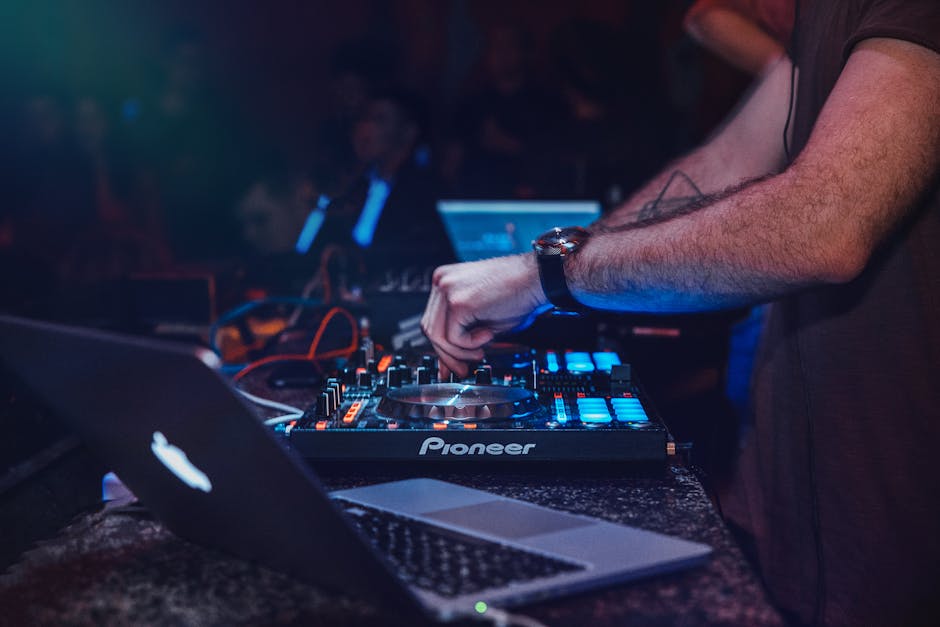
Electronic Dance Music Has Ancient Roots in Disco and House

American electronic dance music traces its lineage through disco to Chicago house music in the 1980s. Producers used drum machines and synthesizers to create repetitive, hypnotic tracks designed for club environments. These innovations spread globally and spawned countless electronic subgenres, making EDM a dominant force in contemporary popular music.

Americana Encompasses Roots Music Traditions

Americana emerged as a genre category in the 1990s to describe music that draws from traditional American styles including country, folk, blues, and roots rock. The term encompasses artists who value authenticity and craftsmanship while not fitting neatly into commercial country or rock categories. This genre celebrates American musical heritage while allowing contemporary expression.

Trap Music Redefined Hip-Hop Production

Trap music, originating in Atlanta in the early 2000s, introduced distinctive production elements including rapid hi-hat patterns, heavy bass, and dark atmospheric sounds. The style has influenced not only hip-hop but also pop and electronic music worldwide. Trap's production techniques have become standard elements in contemporary music across multiple genres.

The Lasting Legacy of American Musical Innovation

These twenty facts barely scratch the surface of American music's complexity and richness. Each genre represents countless individual stories of creativity, struggle, and triumph. The continuous evolution and cross-pollination of these musical styles demonstrate America's role as a laboratory for musical experimentation. From rural communities to urban centers, musicians have consistently challenged conventions, borrowed from diverse traditions, and created sounds that resonate globally. Understanding these genres and their histories provides insight into broader American cultural developments, technological changes, and social movements. As new genres continue to emerge and evolve, they build upon this remarkable foundation, ensuring that American music remains a vital, dynamic force in global culture.