











Scientific Explanations for Ghost Sightings and Haunted Houses

1 / 10 Questions
0 Points

What colorless, odorless gas from faulty furnaces can cause hallucinations and feelings of dread mistaken for hauntings?

Carbon monoxide

Radon

Nitrogen dioxide

Methane

Points won
0
Correct score
0%

More Questions

More Articles

Fun Global Trivia: 18 Facts About Urban Legends

Fun Global Trivia: 18 Facts About Urban Legends

⏱️ 4 min read

Fun Global Trivia: 18 Facts About Urban Legends

Urban legends have captivated audiences worldwide for generations, blending elements of truth, fiction, and cultural beliefs. These fascinating tales continue to evolve and spread, especially in the digital age. Here are 18 intriguing facts about urban legends from around the world that reveal their origins, impact, and cultural significance.

1. The Term's Origin

The phrase "urban legend" was coined in 1968 by Richard Dorson, a professor of folklore at Indiana University. He used it to describe modern folkloric tales that spread in urban environments, distinguishing them from traditional rural folklore.

2. Alligators in Sewers

The famous New York sewer alligator legend actually has a factual basis. In 1935, a live alligator was indeed found in a Manhattan storm drain, though it was likely an abandoned pet rather than part of a thriving underground population.

3. The Vanishing Hitchhiker

This legend appears in nearly every culture worldwide, with the earliest documented versions dating back to the 1870s, predating automobiles. The story has evolved from horse-drawn carriages to modern vehicles.

4. Hook Man's Evolution

The "Hook Man" legend began in the 1950s during America's car culture boom. It served as a moral warning about teenage dating practices and reflected society's fears about the changing youth culture.

5. Kidney Theft Ring

The organ theft legend gained prominence in the 1990s, reflecting genuine concerns about the international organ trade. While no confirmed cases match the typical story, it has influenced real-world behavior and travel practices.

6. Japanese Bathroom Ghost

Hanako-san, a popular Japanese urban legend about a ghostly girl in school bathrooms, originated in the 1950s. It has become so embedded in culture that some Japanese schools regularly receive transfer requests from students citing fear of the ghost.

7. The Microsoft Purchase

The false belief that Microsoft would pay users for forwarding emails was one of the first viral internet urban legends, beginning in 1997. It demonstrated how quickly digital myths could spread globally.

8. Bloody Mary's Origins

The Bloody Mary mirror ritual has roots in ancient divination practices. The modern version emerged in the 1960s, combining elements of Victorian parlor games with supernatural beliefs.

9. Pop Rocks Death

The myth about mixing Pop Rocks candy with soda causing death became so widespread that General Foods had to launch an advertising campaign and send letters to school principals debunking the claim.

10. The Killer in the Backseat

This legend dates to the 1960s and has been documented in multiple countries. It reflects women's safety concerns and has led to real-world safety practices like checking backseats before entering vehicles.

11. Spider Eggs in Bubble Gum

The legend of spider eggs in bubble gum emerged in the 1970s. Despite being biologically impossible due to manufacturing processes, it remains one of the most persistent consumer product urban legends.

12. The Green Man

Pittsburgh's "Green Man" legend about a glowing ghost developed from a real person - Raymond Robinson, who suffered electrical burns. The story demonstrates how actual events can transform into supernatural tales.

13. Chain Letters' Impact

The first documented chain letter dates to 1888. These predecessors to modern digital urban legends have caused measurable economic impacts, with some schemes moving millions of dollars.

14. The Mothman Effect

The Mothman legend of Point Pleasant, West Virginia, led to significant tourism growth, showing how urban legends can positively impact local economies.

15. Crocodile Currency

The widespread belief that crocodiles live in New York's sewer system has generated millions in tourism revenue through merchandise and guided tours, despite its fictional nature.

16. Academic Study

Urban legends became a legitimate academic field in the 1960s, with universities offering courses and degrees in contemporary folklore studies focused on these modern myths.

17. Digital Evolution

The internet has reduced the average time for an urban legend to spread globally from years to hours, while also creating new categories of legends like "creepypasta."

18. Cultural Adaptability

Research shows that urban legends typically adapt to local cultures while maintaining core elements, making them one of the most successful forms of modern folklore transmission.

Urban legends continue to fascinate people worldwide, serving as mirrors of societal fears, hopes, and beliefs. While many originate from genuine concerns or historical events, they evolve to reflect contemporary anxieties and technological changes. Understanding these stories helps us comprehend how modern mythology develops and spreads, particularly in our increasingly connected world.

Whether debunked or containing kernels of truth, these 18 facts about urban legends demonstrate their significant impact on culture, behavior, and even economics. They remain powerful tools for studying human psychology and social dynamics, proving that our need for compelling stories continues to shape how we understand and share information in the modern world.
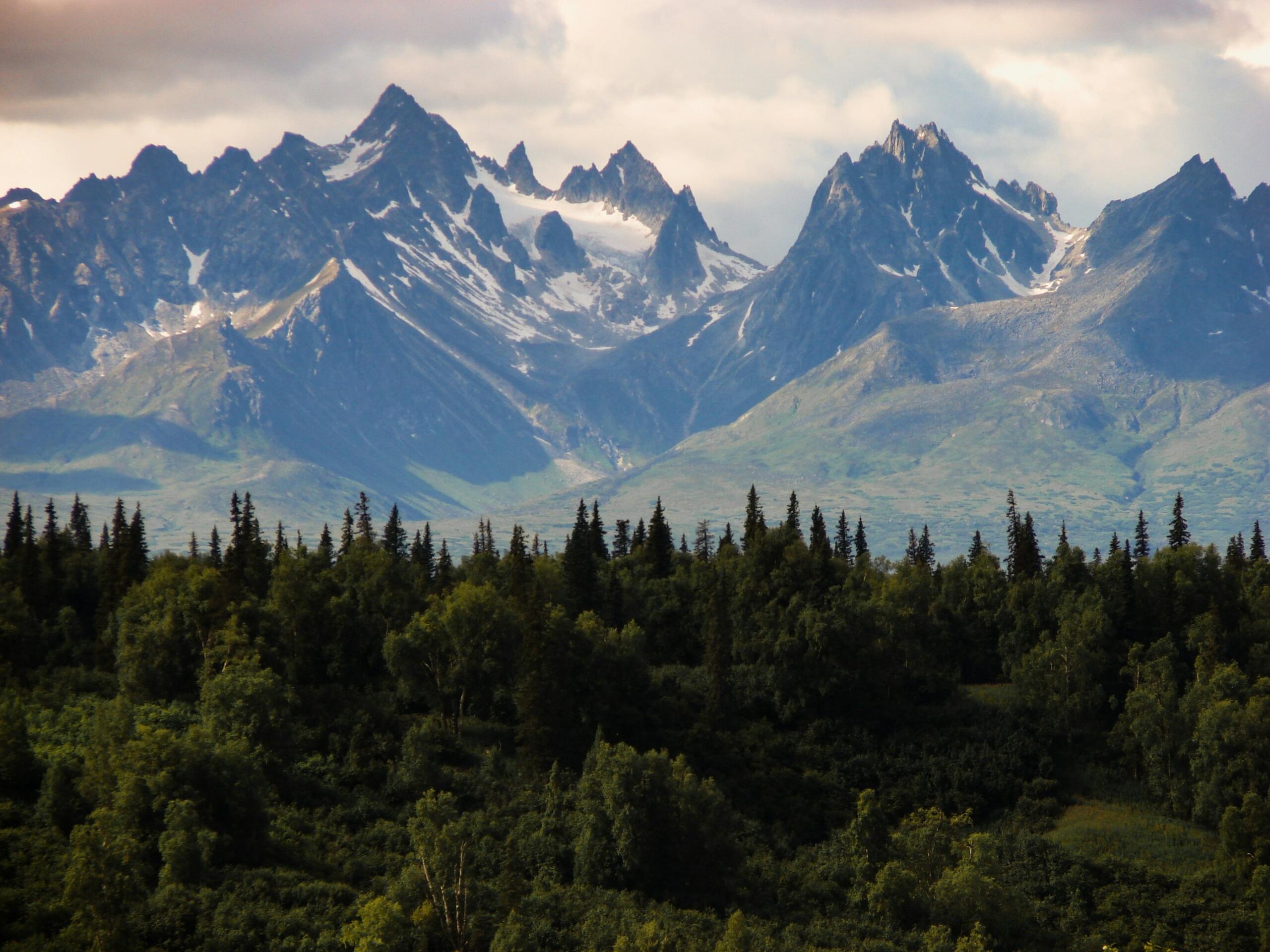
Top 10 Surprising Facts About US Geographical Diversity

Top 10 Surprising Facts About US Geographical Diversity

⏱️ 4 min read

Top 10 Surprising Facts About US Geographical Diversity

The United States boasts an incredibly diverse landscape that often surprises both residents and visitors alike. From towering mountains to vast deserts, and from tropical paradises to arctic tundra, the geographical variety within American borders is truly remarkable. Here are ten fascinating facts about the nation's geographical diversity that might surprise you.

1. The United States Contains All of Earth's Major Biomes

Perhaps the most remarkable fact about U.S. geography is that it contains examples of every major biome found on Earth. From the tropical rainforests of Hawaii to the tundra of Alaska, and from the temperate deciduous forests of New England to the deserts of the Southwest, the country encompasses the full spectrum of global ecosystems within its borders.

2. Death Valley's Extreme Temperature Range

Death Valley, California, holds the record for both the highest recorded temperature in the world (134°F/56.7°C) and can experience temperature swings of over 100 degrees Fahrenheit in a single day. This extreme variation occurs because of the valley's unique geographical formation and location below sea level, making it one of the most climatically diverse locations in the country.

3. The Great Lakes Contain 21% of Earth's Surface Fresh Water

The five Great Lakes - Superior, Michigan, Huron, Erie, and Ontario - form the largest group of freshwater lakes on Earth by total surface and volume. Together, they contain about 21% of the world's surface fresh water and 84% of North America's surface fresh water, creating a unique geographical feature that influences regional climate and ecosystems.

4. Alaska Has More Coastline Than All Other States Combined

With 33,904 miles of coastline, Alaska has more shoreline than all other U.S. states combined. This includes numerous islands, bays, and fjords, creating a complex coastal ecosystem that supports diverse marine life and contributes to the state's unique geographical character.

5. The World's Largest Living Organism is in Utah

The Pando aspen grove in Utah is considered the world's largest living organism by mass. This single clonal colony of quaking aspen trees covers 106 acres and is estimated to weigh 6,600 tons. The unique geological and climatic conditions of the region have allowed this remarkable organism to thrive for thousands of years.

6. Hawaii Grows by 42 Acres Annually

Due to ongoing volcanic activity, the Big Island of Hawaii continues to grow by approximately 42 acres each year. The continuous eruption of Kilauea volcano adds new land mass to the island through lava flows that reach the ocean and cool, demonstrating active geological processes in real-time.

7. The Continental Divide Creates Three Watersheds

The Continental Divide in the Rocky Mountains creates three distinct watershed systems, directing water to the Pacific Ocean, Atlantic Ocean, and the Gulf of Mexico. This geographical feature fundamentally influences water distribution across North America and creates distinct ecological regions on either side.

8. The United States Has the World's Longest Cave System

Mammoth Cave in Kentucky is the world's longest known cave system, with more than 400 miles of surveyed passageways. The unique limestone geology of the region, combined with specific environmental conditions, has created this extensive underground network over millions of years.

9. Florida's Unique Underground River Systems

Florida sits atop one of the world's most extensive limestone aquifer systems, featuring thousands of underground rivers and springs. This unique geological formation contains more first-magnitude springs than any other state or country, creating distinctive ecosystems and water resources.

10. The San Andreas Fault Creates New Landscapes

The San Andreas Fault, stretching approximately 750 miles through California, is actively reshaping the landscape. This dynamic geological feature moves about 2 inches per year, creating new geographical features and contributing to the state's diverse topography through seismic activity and ground movement.

Conclusion

These ten fascinating aspects of U.S. geographical diversity demonstrate the remarkable variety of landscapes and natural features found within the country's borders. From the world's longest cave system to actively growing volcanic islands, from extreme desert valleys to vast freshwater lakes, the United States presents an extraordinary array of geographical features that continue to shape the nation's environmental and ecological character. This diversity not only provides countless opportunities for scientific study but also contributes to the country's natural resources, tourism potential, and environmental significance on a global scale.