⏱️ 7 min read
The United States is a country filled with fascinating quirks, hidden histories, and unexpected truths that even many Americans don't know. From peculiar state laws to geographical anomalies and historical surprises, each of the 50 states harbors secrets that challenge common assumptions about American culture and geography. This collection reveals some of the most intriguing and lesser-known facts about various U.S. states that will change the way you think about this diverse nation.
Geographical Oddities and Natural Wonders
Alaska's Surprising Continental Reach
Alaska is not only the largest state in America, but it also holds a surprising geographical distinction. If you were to overlay Alaska onto the continental United States, it would stretch from coast to coast, touching both the Atlantic and Pacific Oceans. Additionally, Alaska is simultaneously the westernmost, northernmost, and easternmost state in the U.S. The Aleutian Islands cross the 180th meridian, placing some Alaskan territory in the Eastern Hemisphere.
Maine's Unique Position as America's Closest Point to Africa
Surprisingly, the state of Maine holds the distinction of being the closest U.S. state to the continent of Africa. Quoddy Head State Park in Maine is the easternmost point of the continental United States, placing it closer to Africa than any other location in the Lower 48 states. This geographical quirk often surprises people who assume Florida or another southern state would hold this title.
Kentucky's Underground Labyrinth
Kentucky is home to Mammoth Cave, the world's longest known cave system with more than 400 miles of surveyed passageways. Even more remarkably, new passages are still being discovered regularly, and experts believe there may be up to 600 miles of unexplored cave passages. This underground wonder is so extensive that it dwarfs any other cave system on Earth, with the second-longest cave system having less than half its surveyed length.
Historical Surprises and State Origins
Hawaii's Royal Past and Palace Innovation
Hawaii is the only U.S. state that was once an independent kingdom with its own monarchy. Even more impressive, Iolani Palace in Honolulu had electricity and telephones installed four years before the White House. King Kalākaua, who commissioned the palace, was a progressive ruler who embraced modern technology, making Hawaii's royal residence one of the most technologically advanced buildings of its era.
Texas's Six Flags Legacy
The popular amusement park chain "Six Flags" gets its name from the six different national flags that have flown over Texas throughout its history: Spain, France, Mexico, the Republic of Texas, the Confederate States, and the United States. Texas remains the only state that was once an independent nation and joined the United States by treaty rather than territorial annexation, maintaining unique rights including the theoretical ability to divide into multiple states.
Vermont's Independent Republic Era
Before becoming the 14th state in 1791, Vermont was an independent republic for 14 years with its own postal service, currency, and government. The Vermont Republic even abolished slavery in its 1777 constitution, making it one of the first places in North America to do so. During this period, Vermont functioned as a completely sovereign nation, separate from both the British Empire and the newly formed United States.
Unexpected State Records and Distinctions
Rhode Island's Deceptive Size and Full Name
Rhode Island, despite being the smallest U.S. state, has the longest official name: "State of Rhode Island and Providence Plantations." In fact, you could fit approximately 221 Rhode Islands inside Alaska. The state also has the highest population density of any state in the nation and boasts over 400 miles of coastline despite its tiny land area, thanks to Narragansett Bay's complex geography.
North Dakota's Tallest Structure Secret
The tallest structure in the United States isn't in New York or Chicago—it's in North Dakota. The KVLY-TV mast near Blanchard, North Dakota, stands at 2,063 feet, making it taller than the Willis Tower, Empire State Building, or any other building in the country. This television transmission tower held the record as the world's tallest structure from 1963 to 1974.
Florida's Unexpected Northern Position
Despite being known as the southernmost state, parts of Florida are actually farther north than parts of California. The northern border of Florida sits at about 31 degrees north latitude, while Southern California extends down to approximately 32.5 degrees north. This geographical quirk surprises many who assume Florida's tropical reputation means it's the southernmost point of the continental United States throughout its entire length.
Cultural and Legal Peculiarities
Nevada's Unique Railroad Legacy
Nevada is the only state in the U.S. where prostitution is legal in some counties, but this isn't its only unique distinction. The state was rushed into statehood in 1864, just eight days before the presidential election, specifically to provide additional electoral votes for Abraham Lincoln. Nevada's statehood was so rushed that the state constitution was telegraphed to Washington, D.C.—the longest and most expensive telegraph ever sent at that time.
Pennsylvania's Chocolate Capital Status
Pennsylvania produces more chocolate and candy than any other state in America, with Hershey, Pennsylvania, being known as "The Sweetest Place on Earth." The state is home to multiple major chocolate manufacturers, and the street lights in Hershey are shaped like Hershey's Kisses. Pennsylvania's chocolate industry dates back over a century and remains a cornerstone of the state's economy and identity.
Minnesota's Water Wonderland Statistics
Minnesota's nickname "Land of 10,000 Lakes" is actually a significant understatement. The state contains 11,842 lakes that are 10 acres or larger. If you count all bodies of water, Minnesota has over 14,000 lakes. The state also contains more shoreline than California, Florida, and Hawaii combined, making it a paradise for water recreation despite being landlocked.
Modern Marvels and Economic Oddities
Delaware's Corporate Dominance
More than 60% of Fortune 500 companies are incorporated in Delaware, despite many having no physical presence in the state. Delaware's business-friendly laws, specialized Court of Chancery, and tax benefits have made it the corporate home for over one million business entities. This tiny state generates substantial revenue from incorporation fees, making it a corporate haven that punches far above its weight in the American economy.
Montana's Extreme Temperature Swings
Montana holds the record for the most extreme temperature change in a 24-hour period in U.S. history. In Loma, Montana, the temperature rose 103 degrees Fahrenheit in just one day—from -54°F to 49°F on January 15, 1972. The state also experiences the continental United States' coldest temperature on record: -70°F at Rogers Pass in 1954, demonstrating the extreme weather conditions that characterize Big Sky Country.
New Mexico's Space Age Distinction
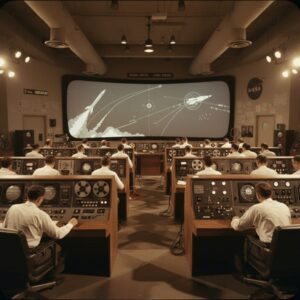
New Mexico was the site of the world's first atomic bomb detonation at the Trinity Test Site in 1945, but it's also leading America into the future of space travel. Spaceport America, located in New Mexico, is the world's first purpose-built commercial spaceport. The state's contribution to both the atomic age and the commercial space age makes it unique in American technological history, bridging two revolutionary eras of human innovation.
Conclusion
These 15 surprising facts reveal that the United States is far more complex and fascinating than standard history books suggest. From geographical extremes and historical anomalies to modern economic innovations and natural wonders, each state contributes unique characteristics to the American tapestry. Whether it's Alaska's hemispheric reach, Delaware's corporate dominance, or Kentucky's endless underground passages, these secrets remind us that there's always more to discover about this diverse nation. Understanding these lesser-known facts not only enriches our knowledge but also deepens our appreciation for the remarkable variety that defines the United States of America.