













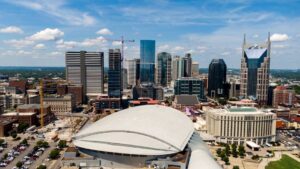




Which U.S. city has the largest population?

1 / 20 Questions
0 Points

Which U.S. city has the largest population?

Los Angeles

Chicago

New York City

Houston

Points won
0
Correct score
0%

More Questions

More Articles

Top 10 Must-Know Facts About the American Gold Rush

Top 10 Must-Know Facts About the American Gold Rush

⏱️ 4 min read

Top 10 Must-Know Facts About the American Gold Rush

The American Gold Rush stands as one of the most significant events in U.S. history, transforming the nation's landscape, economy, and population distribution. This pivotal period, primarily centered in California during the mid-19th century, sparked a massive migration and shaped American culture in countless ways. Here are ten essential facts about this remarkable historical event.

1. The Discovery That Started It All

On January 24, 1848, James W. Marshall discovered gold flakes while constructing a sawmill along the American River at Coloma, California. This discovery at Sutter's Mill, owned by John Sutter, triggered what would become the largest mass migration in American history. Despite attempts to keep the discovery secret, word spread rapidly across the globe, marking the beginning of the California Gold Rush.

2. The "Forty-Niners" Phenomenon

By 1849, approximately 300,000 people from around the world had made their way to California, earning them the nickname "Forty-Niners." These prospectors came from various backgrounds, including merchants, lawyers, teachers, and farmers. The journey was treacherous, whether by sea around Cape Horn or by land across the continent, with many facing disease, accidents, and hostile environments.

3. Economic Impact and Wealth Creation

The total amount of gold extracted during the California Gold Rush was worth billions in today's currency. Between 1848 and 1855, over 750,000 pounds of gold were extracted from California's rivers and mines. This massive influx of wealth helped finance the Union during the Civil War and established San Francisco as a major financial center.

4. Population Explosion and Statehood

California's population grew exponentially during the Gold Rush, from around 14,000 non-Native Americans in 1848 to over 300,000 by 1855. This rapid population growth led to California's fast-tracked admission to the Union as the 31st state in 1850, bypassing the typical territorial phase of statehood.

5. Environmental Impact

The Gold Rush had devastating environmental consequences. Hydraulic mining, which used high-pressure water jets to erode hillsides, destroyed landscapes and contaminated waterways with mercury and other toxic substances. These environmental impacts are still visible today, and some areas continue to deal with the toxic legacy of mining operations.

6. Cultural Diversity and Discrimination

The Gold Rush attracted people from around the world, creating California's first truly multinational population. However, this diversity also led to discrimination and conflict. The Foreign Miners Tax of 1850 targeted non-white miners, particularly Chinese and Latino prospectors, forcing many to abandon their claims or face excessive taxation.

7. Development of Mining Technologies

The Gold Rush period saw significant technological innovations in mining. From simple tools like the gold pan and rocker box to more sophisticated hydraulic mining techniques, these developments revolutionized mineral extraction methods worldwide. Many of these innovations continued to influence mining practices well into the 20th century.

8. Impact on Native Americans

The Gold Rush had catastrophic consequences for California's Native American populations. Disease, displacement, and violence reduced their numbers from approximately 150,000 in 1848 to 30,000 by 1870. Many tribes lost their ancestral lands and traditional ways of life as miners and settlers invaded their territories.

9. Birth of Entrepreneurial Opportunities

While few miners struck it rich from gold, many entrepreneurs found success in related businesses. Levi Strauss created durable work pants for miners, launching what would become a global denim empire. Others profited from providing supplies, entertainment, and services to mining communities, often earning more than the miners themselves.

10. Legacy and Long-term Effects

The Gold Rush's legacy extends far beyond its immediate impact on California. It established patterns of rapid resource exploitation, boom-town development, and speculative capitalism that would characterize much of the American West's subsequent development. The period also contributed significantly to American folklore and cultural identity, creating enduring myths about opportunity and individual success.

Conclusion

The American Gold Rush represents more than just a search for precious metals; it was a transformative period that shaped the nation's development. From technological innovations and environmental changes to demographic shifts and cultural conflicts, its effects continue to influence American society today. Understanding these ten crucial aspects helps appreciate the complex legacy of this remarkable historical event that helped define the American West and the nation as a whole.
Top 10 American Geographical Wonders You Didn’t Know

Top 10 American Geographical Wonders You Didn’t Know

⏱️ 4 min read

Top 10 American Geographical Wonders You Didn't Know

While the Grand Canyon and Yellowstone National Park often steal the spotlight, the United States harbors numerous lesser-known geographical marvels that are equally spectacular. From mysterious moving rocks to technicolor hot springs, here are ten remarkable natural wonders that showcase America's diverse geological heritage.

1. The Racetrack Playa - Death Valley, California

This mysterious dry lake bed features the famous "sailing stones" - rocks that appear to move across the desert floor on their own, leaving long tracks behind them. Scientists finally solved this puzzle in 2014, discovering that thin sheets of ice, wind, and specific weather conditions cause these rocks to slide across the playa surface, creating their enigmatic trails.

2. Fly Geyser - Nevada

Created accidentally by a well drilling operation in 1964, Fly Geyser has evolved into a stunning multi-colored geological formation. The vivid greens and reds result from thermophilic algae thriving in the warm, mineral-rich water. The geyser continues to grow, depositing minerals and creating new formations several inches taller each year.

3. Glass Beach - Fort Bragg, California

What began as a dumping ground has transformed into a unique attraction. Years of wave action have turned discarded glass into millions of smooth, colorful pebbles that now cover the beach. Nature's recycling process has created a rainbow-colored shoreline that attracts visitors from around the world.

4. Painted Hills - Oregon

Part of the John Day Fossil Beds National Monument, these hills showcase bands of rusty red, tan, and gold colors that look painted onto the landscape. The striations represent millions of years of geological history, with each layer reflecting different mineral compositions and climate periods from ancient times.

5. Thor's Well - Oregon Coast

Also known as Spouting Horn, this seemingly bottomless sinkhole off the Oregon coast appears to be draining the Pacific Ocean. In reality, it's a collapsed sea cave about 20 feet deep. During high tide or storms, waves crash into the hole, creating a spectacular display of nature's power.

6. Mammoth Cave System - Kentucky

While many know of its existence, few realize that Mammoth Cave is the longest known cave system in the world, with more than 400 miles of surveyed passageways. The complex network of limestone caves continues to be explored, with new passages discovered regularly, making it one of the most extensive natural wonders on Earth.

7. Mono Lake's Tufa Towers - California

These limestone formations rise from the alkaline waters of Mono Lake like ancient ruins. The tufa towers formed underwater when calcium-rich springs mixed with the lake's carbonates. When water levels dropped, these otherworldly structures were exposed, creating a landscape that appears more alien than earthly.

8. Great Cobble Balls - Theodore Roosevelt National Park, North Dakota

These perfectly spherical sandstone concretions, some reaching several feet in diameter, dot the landscape of North Dakota's badlands. Formed over millions of years through mineral accumulation around a core, these geological oddities appear to be giant marbles scattered by ancient giants.

9. Lost Sea - Tennessee

America's largest underground lake, located in Sweetwater, Tennessee, spans more than four acres and reaches depths of 140 feet. The crystal-clear waters harbor a population of rare blind cave salamanders, and the cave system features an array of stunning geological formations.

10. Atchafalaya Basin - Louisiana

The largest wetland and swamp in the United States, this million-acre river of trees represents America's largest contiguous bottomland hardwood forest. The basin's unique ecosystem, formed by the Mississippi River's natural flooding patterns, creates a maze of waterways and cypress-tupelo swamps that serve as crucial wildlife habitat.

Conclusion

These ten geographical wonders demonstrate the incredible diversity of America's natural landscape. From mysterious moving rocks in Death Valley to the endless passages of Mammoth Cave, each location offers unique insights into geological processes and natural phenomena. While less famous than their well-known counterparts, these sites deserve recognition for their exceptional characteristics and scientific significance. Their existence reminds us that extraordinary natural wonders can be found throughout the United States, often in unexpected places.

These locations not only provide opportunities for scientific study but also serve as destinations for those seeking to experience the lesser-known marvels of American geography. Their preservation ensures future generations can continue to discover and appreciate the remarkable diversity of the nation's natural heritage.