







Which Sitcom Theme Begins “So No One Told You”?

1 / 10 Questions
0 Points

Which Sitcom Theme Begins “So No One Told You”?

Seinfeld

Friends

How I Met Your Mother

The Big Bang Theory

Points won
0
Correct score
0%

More Questions

More Articles

Did You Know? 15 Surprising Facts About Global Music Festivals

Did You Know? 15 Surprising Facts About Global Music Festivals

⏱️ 6 min read

Music festivals have evolved from small community gatherings into massive global phenomena that attract millions of attendees annually. Beyond the headline acts and spectacular light shows, these cultural celebrations harbor fascinating stories, unexpected origins, and remarkable statistics that even seasoned festival-goers might not know. From economic impacts to environmental innovations, the world of music festivals contains surprises that reveal just how significant these events have become in shaping modern culture.

Remarkable Discoveries About the Festival World

1. Woodstock Lost Money Despite Its Legendary Status

The 1969 Woodstock festival, often considered the most iconic music festival in history, was actually a financial disaster for its organizers. Despite attracting nearly 400,000 attendees, the festival lost money because the massive crowds overwhelmed security, and the organizers were forced to declare it a free event. It took decades for the original promoters to recoup their investments through film rights and recordings.

2. Coachella's Profits Exceed Some Countries' GDPs

The Coachella Valley Music and Arts Festival generates revenues exceeding $100 million across its two weekends, with economic impact on the surrounding region reaching over $700 million. This makes the festival's economic output comparable to the GDP of small island nations, demonstrating how music festivals have become significant economic engines.

3. Glastonbury Takes Year-Long Fallow Breaks for Environmental Recovery

The legendary Glastonbury Festival in England deliberately skips hosting every five or six years to allow the farmland to recover from the environmental impact of 200,000 festival-goers. These "fallow years" are essential for soil regeneration and maintaining the sustainability of Worthy Farm, where the festival has been held since 1970.

4. Tomorrowland Creates More Elaborate Stage Designs Than Most Broadway Productions

Belgium's Tomorrowland festival spends upwards of $30 million on stage production alone, with construction crews working year-round to create fantastical themed environments. The main stage structures often exceed the complexity and budget of permanent theatrical installations, only to be dismantled days after the festival concludes.

5. Burning Man Operates on a Gift Economy

Unlike conventional festivals, Nevada's Burning Man prohibits commerce within the event (except for ice and coffee). The entire festival operates on a gift economy where participants freely give and receive without expectation of return, creating a temporary autonomous zone that challenges traditional economic structures and has influenced festival culture worldwide.

6. Rock in Rio's Original Purpose Was Economic Recovery

Brazil's Rock in Rio was created in 1985 partly as an economic strategy to boost Rio de Janeiro's struggling economy during a period of hyperinflation. The festival successfully attracted 1.5 million people over ten days, making it one of the largest music events ever held and proving that festivals could serve as deliberate tools for economic development.

7. Mobile Phone Networks Build Temporary Infrastructure for Major Festivals

Telecommunications companies invest millions in temporary cell towers and portable network equipment for large festivals. At events like Bonnaroo and Download Festival, providers install infrastructure equivalent to serving a small city, only to dismantle it days later, handling data traffic that would normally overwhelm existing networks.

8. Fuji Rock Festival Moved After Its Inaugural Disaster

Japan's Fuji Rock Festival earned its name from being held at the base of Mount Fuji in 1997, but the inaugural event faced a typhoon that forced evacuation and caused numerous injuries. The festival relocated to Naeba Ski Resort the following year, where it has remained ever since, though keeping the original name despite being nowhere near Mount Fuji.

9. Exit Festival Began as a Student Protest Movement

Serbia's Exit Festival originated in 2000 as a 100-day student protest against the Milošević regime, using music as a form of resistance and youth expression. After achieving its political aims, the event transformed into an annual music festival that has become one of Europe's premier events, maintaining its activist spirit while celebrating contemporary music culture.

10. Roskilde Festival Is Run by a Non-Profit Foundation

Denmark's Roskilde Festival, one of Europe's largest music festivals, operates as a non-profit organization that donates all proceeds to humanitarian and cultural causes. Since 1971, the festival has contributed over $50 million to various charities, creating a model where massive entertainment events directly fund social good.

11. Sziget Festival Takes Over an Entire Island

Hungary's Sziget Festival transforms Budapest's Óbuda Island into a temporary city of 500,000 people over seven days each August. The festival essentially creates the country's fifth-largest "city" annually, complete with its own transit system, medical facilities, and even a postal service with special festival stamps.

12. Lollapalooza Started as a Farewell Tour

Lollapalooza was conceived by Jane's Addiction frontman Perry Farrell in 1991 as a touring festival and farewell tour for his band. The concept of a traveling festival featuring alternative rock, body art, and non-profit organizations revolutionized the festival model and influenced countless events that followed.

13. Montreux Jazz Festival's Archive Contains Priceless Historical Recordings

The Montreux Jazz Festival has recorded nearly every performance since 1967, amassing over 5,000 hours of audio and video footage. This archive, which includes irreplaceable performances by legends like Nina Simone and Miles Davis, is now listed in UNESCO's Memory of the World Register as culturally significant heritage.

14. Download Festival's Location Was a World War II Aircraft Factory

England's Download Festival takes place at Donington Park, whose grounds once housed a massive World War II aircraft factory. The site's history adds an unexpected layer to the festival experience, where modern heavy metal fans gather on land that once produced military aircraft during Britain's war effort.

15. Ultra Music Festival Moved After Complaints About Bass Frequencies

Miami's Ultra Music Festival relocated from its longtime downtown Bayfront Park location after 2018, partly due to complaints that the festival's powerful bass frequencies were affecting marine life in Biscayne Bay. This highlighted growing awareness about how large-scale events impact not just human communities but entire ecosystems.

The Lasting Impact of Festival Culture

These fifteen fascinating facts reveal that music festivals are far more complex and culturally significant than simple entertainment gatherings. They serve as economic powerhouses, environmental laboratories, historical archives, and social experiments. From Woodstock's financial failure that became cultural triumph to modern festivals' sophisticated infrastructure and social consciousness, these events reflect and shape the values of their times. Whether pioneering gift economies, funding charitable causes, or creating temporary cities, global music festivals continue to surprise us with their innovation, resilience, and cultural importance. As festivals evolve to address environmental concerns and leverage new technologies, they remain vital spaces where music, community, and culture intersect in unexpected and meaningful ways.
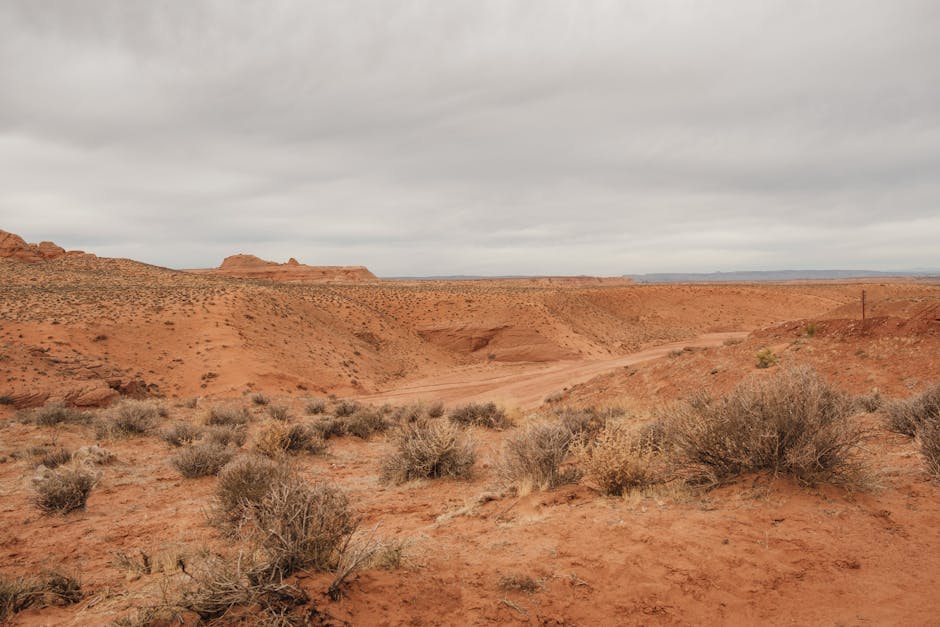
USA Geography Trivia: 20 Questions on American Deserts

USA Geography Trivia: 20 Questions on American Deserts

⏱️ 7 min read

The United States is home to four major desert regions that span across the southwestern states, each with unique characteristics, ecosystems, and geological features. These arid landscapes cover approximately 500,000 square miles and contain some of the most fascinating natural wonders in North America. Test your knowledge of these remarkable environments with these twenty intriguing questions about American deserts.

Questions About America's Desert Landscapes

1. Which Desert is the Hottest in North America?

Death Valley, located in the Mojave Desert of California, holds the record for the highest temperature ever reliably recorded on Earth at 134°F (56.7°C) on July 10, 1913. This extreme desert basin lies 282 feet below sea level at its lowest point, Badwater Basin, making it also the lowest elevation in North America. The combination of its depth, surrounding mountains that trap hot air, and minimal vegetation creates these scorching conditions.

2. What Are the Four Major North American Deserts?

The United States contains four distinct desert regions: the Great Basin Desert, the Mojave Desert, the Sonoran Desert, and the Chihuahuan Desert. Each desert has unique characteristics determined by elevation, rainfall patterns, temperature ranges, and native flora and fauna. Together, these deserts create a diverse tapestry of arid ecosystems across the American Southwest.

3. Which Desert is the Largest by Area?

The Great Basin Desert covers approximately 190,000 square miles, making it the largest desert in the United States. It extends across Nevada, western Utah, eastern California, and southern Oregon. Unlike hot deserts, the Great Basin is classified as a cold desert, experiencing snowy winters and receiving most of its limited precipitation during winter months.

4. Where Does the Iconic Saguaro Cactus Grow?

The majestic saguaro cactus, symbol of the American West, grows exclusively in the Sonoran Desert. This desert spans portions of Arizona, California, and extends into Mexico. These giant cacti can live for over 150 years, reach heights of 40 feet, and don't grow their first arm until they're approximately 75 years old.

5. Which Desert Contains the Famous Joshua Trees?

Joshua trees are endemic to the Mojave Desert, growing primarily at elevations between 1,300 and 5,900 feet. These distinctive plants, actually a species of yucca, were named by Mormon pioneers who thought their upraised branches resembled the biblical figure Joshua reaching toward heaven. Joshua Tree National Park protects extensive stands of these unique plants.

6. What is the Driest Place in North America?

The Badwater Basin in Death Valley receives an average of only 1.5 inches of rainfall annually, making it the driest location in North America. Some years see no measurable precipitation at all. The extreme aridity, combined with high temperatures and intense evaporation rates, creates one of Earth's most inhospitable environments.

7. Which Desert Receives Summer Monsoon Rains?

The Sonoran Desert experiences a distinctive bi-seasonal rainfall pattern, with both winter storms and dramatic summer monsoons. From July through September, moisture from the Gulf of California brings powerful thunderstorms, creating spectacular lightning displays and brief but intense rainfall that triggers a bloom of desert wildflowers.

8. Where is the Largest Gypsum Dune Field Located?

White Sands National Park in New Mexico, within the Chihuahuan Desert, contains the world's largest gypsum dune field covering 275 square miles. Unlike typical sand dunes made of quartz, these brilliant white dunes consist of gypsum crystals that don't absorb heat, remaining cool enough to walk on barefoot even in summer.

9. Which Desert Has the Highest Elevation?

The Great Basin Desert sits at the highest average elevation of North American deserts, ranging from 3,000 to 6,500 feet above sea level. Its high elevation contributes to its classification as a cold desert, with winter temperatures regularly dropping below freezing and substantial snowfall occurring in many areas.

10. What Defines the Chihuahuan Desert's Eastern Boundary?

The Chihuahuan Desert, North America's second-largest desert, extends from southern New Mexico and western Texas deep into Mexico. Its eastern boundary is defined by the Sierra Madre Oriental mountain range. This desert is characterized by higher elevation than other hot deserts, averaging 3,500 to 5,000 feet, and contains diverse topography including mountain ranges and basins.

11. Which Desert Park Contains Petrified Trees?

Petrified Forest National Park sits on the southern edge of the Painted Desert, part of the greater Colorado Plateau region. This area contains one of the world's largest concentrations of petrified wood, with fossilized trees dating back more than 200 million years to the Late Triassic Period.

12. What Causes Desert Varnish on Rocks?

The dark, shiny coating found on many desert rocks, called desert varnish or rock varnish, forms over thousands of years as wind-blown dust and clay particles accumulate on rock surfaces. Bacteria and fungi living on the rocks oxidize manganese and iron, creating the characteristic dark brown or black patina commonly seen throughout American deserts.

13. Which Desert Contains Ancient Lake Beds?

The Great Basin Desert contains numerous ancient lake beds, remnants of the Pleistocene epoch when the region was much wetter. The Great Salt Lake and Utah's Bonneville Salt Flats are remnants of the massive Lake Bonneville, which once covered nearly 20,000 square miles. These dry lake beds, or playas, create vast, flat expanses of hardened salt and clay.

14. Where Do Desert Bighorn Sheep Live?

Desert bighorn sheep inhabit all four North American deserts, though populations are most concentrated in the Mojave and Sonoran deserts. These remarkable animals can survive without drinking water for extended periods, obtaining moisture from vegetation and tolerating a 20 percent loss of body weight from dehydration—levels that would be fatal to most mammals.

15. Which Desert Experiences the Greatest Temperature Extremes?

The Great Basin Desert experiences the most dramatic temperature swings, with variations exceeding 100°F between summer highs and winter lows. Summer temperatures can reach 100°F while winter temperatures frequently drop below 0°F. Daily temperature fluctuations of 40-50°F between day and night are common throughout the year.

16. What Are Desert "Singing Sands"?

Some desert dunes produce low-frequency humming or booming sounds when sand avalanches down their slopes, a phenomenon known as singing sands. Sand Mountain in Nevada's Great Basin Desert is one location where this occurs. Scientists believe the sound results from uniform grain sizes creating synchronized vibrations during sand movement.

17. Which Desert Contains the Most Biodiversity?

The Sonoran Desert is considered the most biologically diverse desert in North America, hosting over 2,000 native plant species, 550 vertebrate species, and countless invertebrates. Its bi-seasonal rainfall pattern supports more vegetation than other American deserts, creating habitats for diverse wildlife including jaguars, ocelots, and over 300 bird species.

18. Where Are the Largest Sand Dunes in North America?

Great Sand Dunes National Park in Colorado, located along the edge of the Great Basin Desert region, contains the tallest dunes in North America. Star Dune rises 750 feet from base to crest, created by wind patterns that blow sand from multiple directions, forming the park's distinctive pyramidal dunes against the backdrop of the Sangre de Cristo Mountains.

19. Which Desert Has Volcanic Features?

The Mojave Desert contains extensive volcanic features, including cinder cones, lava flows, and volcanic craters. The Mojave National Preserve protects Amboy Crater, a nearly symmetrical volcanic cinder cone that last erupted approximately 10,000 years ago. The surrounding lava fields create dramatic black rock landscapes contrasting with lighter desert terrain.

20. What Are Desert Fairy Shrimp?

Desert fairy shrimp are ancient crustaceans that survive in temporary desert pools called vernal pools. Their eggs can remain dormant in dried mud for years or even decades, hatching rapidly when rain fills these ephemeral pools. These remarkable creatures complete their entire life cycle—from hatching to reproduction—in just two to three weeks before their pools evaporate.

Understanding America's Desert Heritage

These twenty questions reveal the extraordinary diversity and complexity of American desert ecosystems. From Death Valley's extreme heat to the Great Basin's cold winters, from the Sonoran's rich biodiversity to the Chihuahuan's ancient lake beds, each desert region offers unique geological, biological, and climatic features. Understanding these arid environments helps us appreciate the remarkable adaptations of plants, animals, and geological processes that make these seemingly barren landscapes some of the most fascinating and valuable ecosystems in North America. Whether exploring record-breaking temperatures, endemic species, or ancient geological formations, American deserts continue to captivate scientists, adventurers, and nature enthusiasts with their stark beauty and ecological significance.