




















Which sandwich contains peanut butter and fruit spread?

1 / 20 Questions
0 Points

Which sandwich contains peanut butter and fruit spread?

Club Sandwich

Grilled Cheese

PB&J

BLT

Points won
0
Correct score
0%

More Questions

More Articles

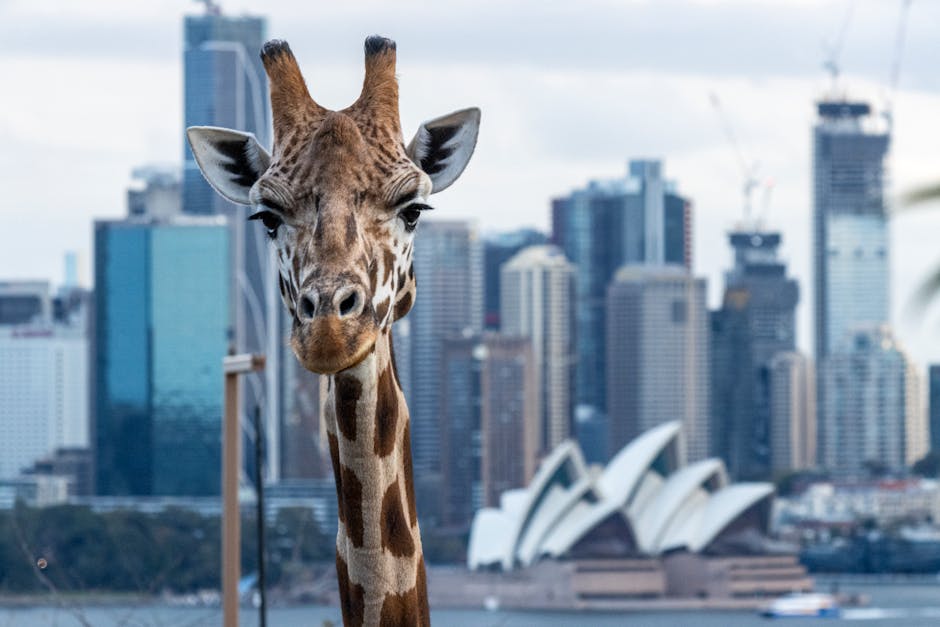
Top 10 Surprising Facts About the Sydney Opera House

Top 10 Surprising Facts About the Sydney Opera House

⏱️ 4 min read

Top 10 Surprising Facts About the Sydney Opera House

The Sydney Opera House stands as one of the most recognizable architectural marvels of the modern world. While many know its iconic sail-like design, there are numerous fascinating facts about this UNESCO World Heritage site that often surprise even those familiar with the structure. Here are ten remarkable facts that showcase the building's unique history, construction, and cultural significance.

1. The Design Was Initially Rejected

Danish architect Jørn Utzon's winning design was originally tossed into a pile of rejected submissions. It was only when one of the judges, renowned architect Eero Saarinen, arrived late and reviewed the discarded entries that he discovered and championed what would become the winning design. This last-minute rescue changed architectural history forever.

2. It Took 14 Years to Complete

Originally estimated to take four years and cost $7 million, the Opera House's construction stretched to 14 years (1959-1973) and ended up costing $102 million. This massive overrun was primarily funded through a state lottery system. The extended timeline and budget issues led to significant political controversy and ultimately resulted in Utzon's resignation from the project in 1966.

3. The Tiles Have Self-Cleaning Properties

The building's distinctive exterior features over one million ceramic tiles manufactured in Sweden. These tiles are self-cleaning, thanks to their glossy surface and the building's design, which allows rainwater to wash away dirt and salt from the harbor naturally. The tiles are arranged in chevron patterns and create different visual effects depending on the lighting conditions.

4. Hidden Mathematical Genius

The Opera House's iconic shells are all derived from sections of a single sphere, a solution Utzon developed after years of struggling with the engineering challenges. This "spherical solution" was revolutionary and allowed for easier prefabrication of the building's components. The radius of this sphere is precisely 246 feet, 8.5 inches.

5. It Houses Multiple Venues

Contrary to popular belief, the Sydney Opera House isn't just one theater. It contains multiple performance spaces, including the Concert Hall (2,679 seats), Joan Sutherland Theatre (1,507 seats), Drama Theatre (544 seats), Playhouse (398 seats), and Studio (280 seats). Collectively, these venues host over 1,500 performances annually, attended by approximately 1.2 million people.

6. The Grand Organ is the World's Largest Mechanical Tracker Action Organ

The Concert Hall houses an impressive mechanical tracker action organ, featuring 10,154 pipes. It took ten years to build and was completed in 1979. The organ remains the largest of its kind in the world and required extensive acoustic engineering to integrate properly into the hall.

7. Concrete Ribs Support the Structure

The building's structure relies on massive precast concrete ribs, some weighing up to 15 tons each. These ribs support the ceramic-tiled shells and were an engineering marvel for their time. The construction required the development of new techniques and technologies, including an early use of computers in architectural design.

8. It Has Its Own Resident Ghost

Theater staff have reported numerous supernatural encounters in the building, particularly around the orchestra pit of the Joan Sutherland Theatre. The most famous ghost is believed to be that of a trapeze artist who died during a performance in the 1970s. These stories have become part of the building's rich folklore.

9. Environmental Innovation

The Opera House was environmentally innovative for its time, using seawater from the harbor for its cooling system. The building continues to embrace sustainability, having reduced its carbon footprint by 75% through various initiatives, including the installation of new energy-efficient technologies and waste management systems.

10. Peace Offering to Utzon

After Jørn Utzon's controversial departure in 1966, he never returned to Australia to see his completed masterpiece. However, in 1999, he was re-engaged as a design consultant for future changes to the building. In 2004, the Utzon Room was named in his honor, becoming the first and only interior space to be designed by the original architect.

The Sydney Opera House continues to captivate visitors and performers alike, not just through its stunning architecture but through these lesser-known aspects of its history and operation. From its troubled construction to its environmental innovations, these surprising facts demonstrate why it remains one of the world's most fascinating buildings and a testament to human creativity and perseverance.
Did You Know These 20 Facts About US Cultural Traditions?

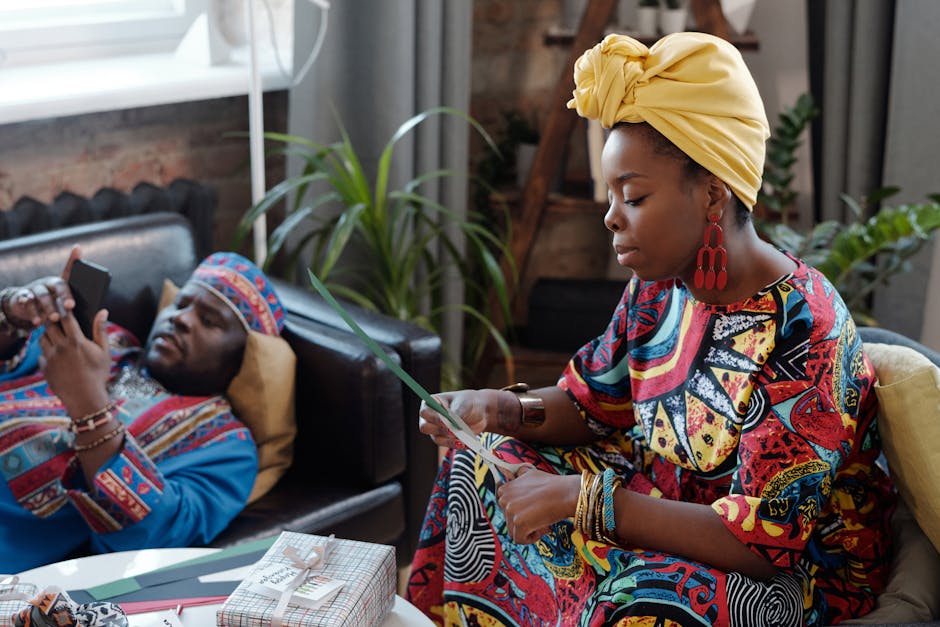
Did You Know These 20 Facts About US Cultural Traditions?

⏱️ 4 min read

Did You Know These 20 Facts About US Cultural Traditions?

American culture is a rich tapestry of traditions, customs, and practices that have evolved over centuries. From holiday celebrations to daily rituals, these cultural elements shape the American identity. Here are 20 fascinating facts about US cultural traditions that might surprise you.

1. Thanksgiving Turkey Pardon

The Presidential turkey pardon became an official White House tradition in 1989 under President George H.W. Bush, though informal pardons occurred earlier. Each year, two turkeys are officially spared and sent to live out their days on a farm.

2. Super Bowl Sunday

While not an official holiday, Super Bowl Sunday has become America's second-largest food consumption day after Thanksgiving, with over 1.4 billion chicken wings consumed during the event.

3. Baby Showers

This distinctly American tradition began during the baby boom of the 1940s-50s. Originally, these celebrations were only held for a woman's first child, though modern practices have evolved to celebrate subsequent pregnancies.

4. Halloween Jack-o'-Lanterns

The tradition of carving pumpkins originated from Irish immigrants who originally used turnips. Americans adopted pumpkins as they were native to North America and easier to carve.

5. Sweet Sixteen

The Sweet Sixteen celebration became prominent in the 1970s, marking a girl's transition to womanhood. This tradition has roots in the debutante balls of the American South.

6. Independence Day Fireworks

The tradition of July 4th fireworks dates back to 1777, when Philadelphia celebrated the first anniversary of American independence. John Adams predicted this tradition in a letter to his wife.

7. Black Friday Shopping

The term "Black Friday" originated in Philadelphia in the 1960s, describing the heavy traffic and crowds that would flood the city the day after Thanksgiving.

8. Homecoming

This uniquely American tradition began at the University of Missouri in 1911, combining alumni reunions with football games to boost school spirit.

9. Groundhog Day

This peculiar weather prediction tradition began in Punxsutawney, Pennsylvania, in 1887, combining German folklore with American marketing ingenuity.

10. Tailgating

The practice of tailgating originated at college football games in the late 1800s, when fans would arrive by horse and wagon, eating from the tailgate before games.

11. Spring Break

This college tradition became popularized in the 1960s after the movie "Where the Boys Are" showcased Fort Lauderdale as a spring break destination.

12. Prom Night

Originally called "Promenade," this high school tradition began in the late 19th century at Northeast colleges as a simple co-ed banquet for graduating classes.

13. Gender Reveal Parties

This relatively new tradition began in 2008 through a blog post and has since evolved into elaborate celebrations, often involving colored cakes or explosive reveals.

14. Trick-or-Treating

This Halloween tradition didn't become widespread in America until the 1930s, and it was temporarily halted during World War II due to sugar rationing.

15. Valentine's Day Cards

The tradition of exchanging Valentine's cards in schools became popular in the 1800s, with Americans now sending approximately 145 million Valentine's Day cards annually.

16. Birthday Candles

The American tradition of putting candles on birthday cakes came from German immigrants, but the custom of making a wish while blowing them out is uniquely American.

17. Thanksgiving Day Parade

Macy's first Thanksgiving Day Parade was held in 1924, featuring employees in costume and animals from the Central Park Zoo instead of the now-famous balloons.

18. Drive-in Movies

The first drive-in theater opened in 1933 in New Jersey, becoming a symbol of American car culture and entertainment throughout the mid-20th century.

19. Wedding Rehearsal Dinners

This distinctly American tradition emerged in the mid-20th century as families became more geographically dispersed, providing an opportunity for both families to meet before the wedding.

20. Memorial Day Flag Traditions

The custom of placing flags on military graves began during the Civil War and was formally established as a national tradition in 1971 when Memorial Day became a federal holiday.

Conclusion

These 20 cultural traditions demonstrate the unique blend of influences that have shaped American society. From ancient customs adapted by immigrants to modern celebrations born from technological and social changes, these traditions continue to evolve while maintaining their distinctive American character. Understanding these cultural practices provides valuable insight into the American way of life and the historical events that have influenced it.