⏱️ 8 min read
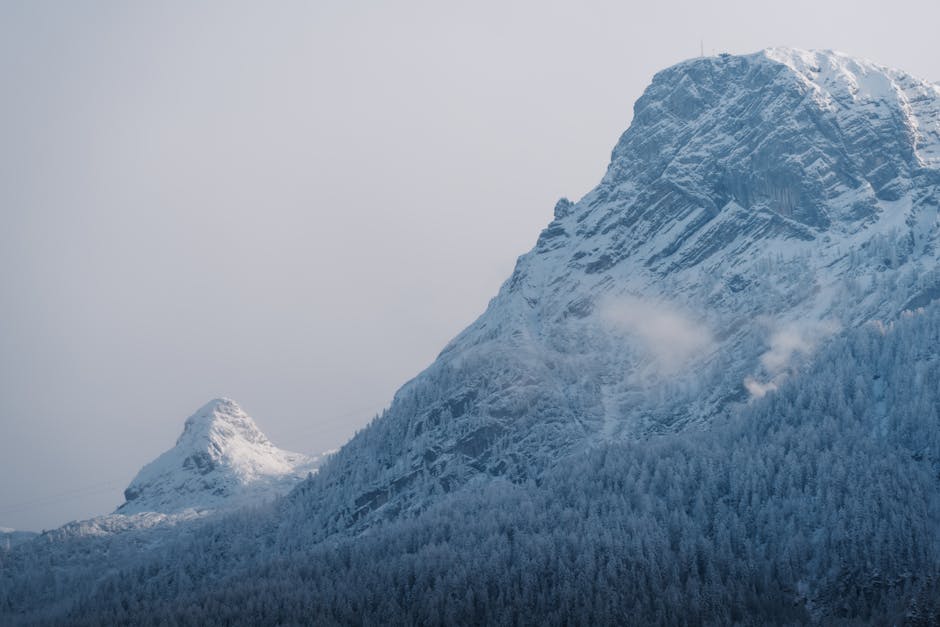
The Alps stand as one of Europe's most magnificent natural wonders, stretching across eight countries and captivating millions of visitors each year. Yet beneath their snow-capped peaks and verdant valleys lies a treasure trove of lesser-known facts that reveal the true complexity and wonder of this mountain range. From geological marvels to unique ecosystems and surprising historical details, the Alps continue to amaze even those who think they know them well.
Extraordinary Facts About Europe's Greatest Mountain Range
1. The Alps Span Eight Different Countries
While many people associate the Alps primarily with Switzerland, this impressive mountain range actually extends across eight European nations: France, Switzerland, Italy, Monaco, Liechtenstein, Austria, Germany, and Slovenia. The range covers approximately 750 miles from east to west and stretches up to 125 miles from north to south at its widest point. This vast distribution means that the Alps influence the climate, culture, and economy of a significant portion of Central Europe, with each country claiming its own unique Alpine traditions and landscapes.
2. Over 30,000 Animal Species Call the Alps Home
The Alpine ecosystem supports an astounding diversity of wildlife, with more than 30,000 animal species inhabiting various elevations and ecological zones within the mountain range. This includes approximately 200 bird species, from the majestic golden eagle to the colorful Alpine chough. Mammals such as the ibex, chamois, marmot, and even brown bears in certain regions thrive in these mountains. The variety of microclimates created by different altitudes and aspects allows for this remarkable biodiversity, making the Alps one of Europe's most important wildlife refuges.
3. The Matterhorn Has Four Distinct Faces
The iconic Matterhorn, one of the most photographed mountains in the world, possesses a unique pyramidal shape formed by four distinct faces that align almost perfectly with the cardinal directions: north, south, east, and west. Rising 14,692 feet above sea level, this mountain straddles the border between Switzerland and Italy. The mountain's distinctive shape results from erosion by glaciers on all four sides, creating sharp ridges and dramatic walls. Its symmetrical appearance has made it a symbol of the Alps and Switzerland itself, though it remains one of the most dangerous peaks to climb due to frequent rockfalls and unpredictable weather.
4. The Alps Are Growing and Shrinking Simultaneously
In a fascinating geological contradiction, the Alps are experiencing both growth and reduction at the same time. Tectonic forces continue to push the mountains upward at a rate of approximately one millimeter per year as the African and Eurasian plates collide. However, erosion from wind, water, and ice wears away the peaks at roughly the same rate, and in some areas even faster. Climate change has accelerated glacial melting, which paradoxically increases erosion rates as the protective ice cover disappears. This dynamic process has been ongoing for millions of years and will continue shaping the Alpine landscape for millions more.
5. Ancient Trade Routes Crossed These Mountains for Millennia
Long before modern tunnels and highways, numerous mountain passes served as vital trade routes connecting Northern and Southern Europe. The most famous include the Brenner Pass, St. Gotthard Pass, and Great St. Bernard Pass, which have been used for over 2,000 years. Archaeological evidence suggests that traders, armies, and travelers regularly braved these treacherous routes during the Bronze Age. Hannibal famously crossed the Alps with his army and elephants in 218 BCE, though historians still debate which pass he used. These ancient pathways shaped European commerce, culture, and history, facilitating the exchange of goods, ideas, and innovations between Mediterranean and Northern European civilizations.
6. The Largest Glacier in the Alps Measures Over 14 Miles Long
The Aletsch Glacier in Switzerland holds the distinction of being the largest glacier in the Alps, stretching approximately 14.3 miles in length and covering an area of about 47 square miles. This massive river of ice contains roughly 27 billion tons of ice and reaches depths of nearly 3,000 feet in some locations. The glacier has been designated a UNESCO World Heritage Site as part of the Swiss Alps Jungfrau-Aletsch region. However, like most Alpine glaciers, the Aletsch has been retreating rapidly due to climate change, losing approximately 650 feet in length each year in recent decades.
7. Over 13,000 Plant Species Flourish at Various Altitudes
The Alps support approximately 13,000 plant species, with roughly 400 being endemic to the region, meaning they exist nowhere else on Earth. The flora distribution follows distinct altitude zones, from deciduous forests at lower elevations to coniferous forests higher up, followed by Alpine meadows filled with wildflowers, and finally sparse vegetation near the snow line. Famous Alpine flowers include edelweiss, Alpine gentian, and various species of saxifrage. These plants have evolved remarkable adaptations to survive harsh conditions, including compact growth forms, hairy leaves to retain moisture, and intense pigmentation to protect against strong ultraviolet radiation.
8. Mont Blanc's Height Changes with Snow Accumulation
Mont Blanc, the highest peak in the Alps at approximately 15,774 feet, doesn't maintain a constant height. The mountain's summit consists of a thick cap of ice and snow that expands and contracts depending on accumulation and melting patterns. Official measurements must distinguish between the rock summit and the ice summit, with the ice cap adding anywhere from 30 to 130 feet to the total height. Surveyors regularly re-measure the peak using GPS technology, and the recorded height can vary significantly from year to year. This phenomenon makes Mont Blanc's precise elevation a moving target and highlights the dynamic nature of high Alpine peaks.
9. The World's Longest Rail Tunnel Runs Beneath the Alps
The Gotthard Base Tunnel, which opened in 2016, extends 35.5 miles through the Swiss Alps, making it the world's longest and deepest railway tunnel. Construction took 17 years and required removing approximately 28 million tons of rock. The tunnel runs at depths reaching 8,000 feet below the surface and maintains a nearly flat trajectory, allowing high-speed trains to travel at up to 155 miles per hour. This engineering marvel reduced travel time between Zurich and Milan by about an hour and significantly decreased the environmental impact of trans-Alpine freight transport compared to truck traffic over mountain passes.
10. Alpine Glaciers Preserve Historical and Prehistoric Artifacts
The Alps' glaciers serve as remarkable time capsules, preserving artifacts and even human remains for thousands of years. The most famous discovery was Ötzi the Iceman, a naturally mummified human from around 3,300 BCE, found in 1991 in the Ötztal Alps. As glaciers retreat due to climate change, they increasingly reveal lost objects ranging from ancient tools and Roman coins to equipment from World War I soldiers who fought in these mountains. These discoveries provide invaluable insights into historical climate conditions, ancient trade routes, and the lives of people who traversed or inhabited these mountains throughout history.
11. More Than 120 Million People Live in or Near the Alps
The Alpine region supports a population of approximately 14 million people living directly in the mountains, with over 120 million residing in the greater Alpine area and depending on the range for water, tourism, and economic activities. Major cities such as Munich, Milan, Vienna, and Geneva lie within or at the edge of the Alpine zone. The mountains provide crucial ecosystem services, including freshwater for hundreds of millions of Europeans, with Alpine rivers feeding major waterways like the Rhine, Rhone, Po, and Danube. This dense population creates ongoing challenges for balancing conservation, tourism, agriculture, and development.
12. The Alps Influence Weather Patterns Across Europe
The massive Alpine mountain barrier fundamentally shapes European weather and climate patterns by blocking and redirecting air masses between Northern and Southern Europe. The mountains create a sharp climatic divide, with Mediterranean conditions to the south and temperate continental conditions to the north. The range forces moisture-laden air to rise and cool, creating heavy precipitation on windward slopes while leaving leeward areas relatively dry in a rain shadow effect. Alpine valleys can experience föhn winds—warm, dry downslope winds that can raise temperatures dramatically within hours. These weather influences extend far beyond the mountains themselves, affecting agriculture, water resources, and climate throughout Central Europe.
Understanding the Alpine Wonder
These twelve remarkable facts illuminate the Alps' extraordinary significance beyond their obvious scenic beauty. From their vast biodiversity and dynamic geology to their profound influence on European history, culture, and climate, the Alps represent far more than a tourist destination. They stand as a living laboratory for understanding mountain ecosystems, climate change impacts, and the complex relationship between humans and dramatic landscapes. As these mountains continue to evolve and face unprecedented environmental challenges, appreciating their complexity becomes ever more important for ensuring their preservation for future generations.