










⏱️ 7 min read
Food serves as one of humanity's most profound cultural expressions, reflecting history, geography, climate, and tradition. Every cuisine tells a story of its people, their environment, and centuries of culinary evolution. Understanding the fascinating facts behind global cuisines offers insight into diverse cultures and the universal language of flavor that connects us all. From ancient cooking techniques to surprising ingredient origins, these essential facts illuminate the rich tapestry of world gastronomy.
Essential Facts About Global Culinary Traditions
1. Italian Tomatoes Are Actually New World Imports
Despite being synonymous with Italian cuisine, tomatoes only arrived in Italy during the 16th century from the Americas. Initially considered poisonous by Europeans, tomatoes weren't widely incorporated into Italian cooking until the late 1700s. This relatively recent addition transformed Italian gastronomy, eventually becoming the foundation of countless pasta sauces, pizzas, and regional dishes that now define the cuisine.
2. Japanese Sushi Originally Served as Food Preservation
Modern sushi bears little resemblance to its ancient origins. The original form, called narezushi, was developed over 1,000 years ago as a preservation method where fermented rice was used to store fish for months. The rice was discarded before eating. The contemporary style of eating fresh fish with vinegared rice only emerged in Tokyo during the Edo period in the early 19th century.
3. French Cuisine Owes Much to Italian Influence
When Catherine de' Medici married French King Henry II in 1533, she brought Italian chefs and culinary techniques to France. This introduced sophisticated cooking methods, new ingredients, and elaborate presentations that would fundamentally shape French haute cuisine. Many foundational elements of French cooking, including specific sauces and pastry techniques, trace their lineage to Renaissance Italy.
4. Indian Cuisine Features Over 50 Distinct Regional Styles
India's culinary landscape is extraordinarily diverse, with each region developing unique flavors, techniques, and signature dishes based on local climate, religion, and available ingredients. From the coconut-rich curries of Kerala to the tandoori specialties of Punjab, Indian cuisine defies singular definition. This diversity reflects thousands of years of cultural exchange, migration, and adaptation across the vast subcontinent.
5. Mexican Chocolate Was Originally Consumed as a Bitter Beverage
The Aztecs and Mayans consumed chocolate as a bitter, spicy drink mixed with chili peppers and other spices, never adding sugar. This sacred beverage, called xocolatl, was reserved for nobility and warriors. Spanish conquistadors brought cacao to Europe in the 16th century, where sugar was added, transforming it into the sweet treat known worldwide today.
6. Thai Cuisine Balances Five Fundamental Flavors
Thai cooking is built upon achieving harmony between five distinct tastes: sweet, sour, salty, bitter, and umami. This balance is carefully orchestrated in virtually every dish, creating the complex flavor profiles characteristic of Thai cuisine. This principle reflects Buddhist philosophy and traditional Thai medicine, where balance is considered essential to both physical and spiritual wellbeing.
7. Spanish Tapas Culture Emerged from Practical Necessity
The tradition of tapas—small plates served with drinks—originated from the practical need to cover drinks to keep flies out. The word "tapa" means "cover" in Spanish. King Alfonso XIII reportedly required bars to serve food with alcohol to prevent customers from becoming too intoxicated. This evolved into the elaborate tapas culture that defines Spanish social dining today.
8. Chinese Regional Cuisines Are Defined by Ancient Geography
China's "Eight Great Traditions" of regional cuisine developed based on geographic and climatic differences. Sichuan's famous spiciness helps cool the body in humid heat, while northern wheat-growing regions developed noodle and dumpling traditions instead of rice-based dishes. These distinctions, established over millennia, continue to define Chinese culinary identity and philosophy.
9. Middle Eastern Flatbreads Date Back 14,000 Years
Archaeological evidence from Jordan reveals that flatbreads were being made 14,000 years ago, predating agriculture. These ancient breads were created from wild cereals and represent one of humanity's oldest prepared foods. Flatbreads remain central to Middle Eastern cuisines, serving as utensils, plates, and essential components of countless traditional dishes across the region.
10. Vietnamese Pho Evolved from French Colonial Influence
Vietnam's national dish, pho, emerged in the early 20th century, influenced by French colonial presence. The beef-based broth drew inspiration from French pot-au-feu, while incorporating traditional Vietnamese herbs and rice noodles. This fusion represents how cuisines adapt and evolve through cultural contact, creating entirely new culinary traditions that become national symbols.
11. Korean Kimchi Contains Over 200 Varieties
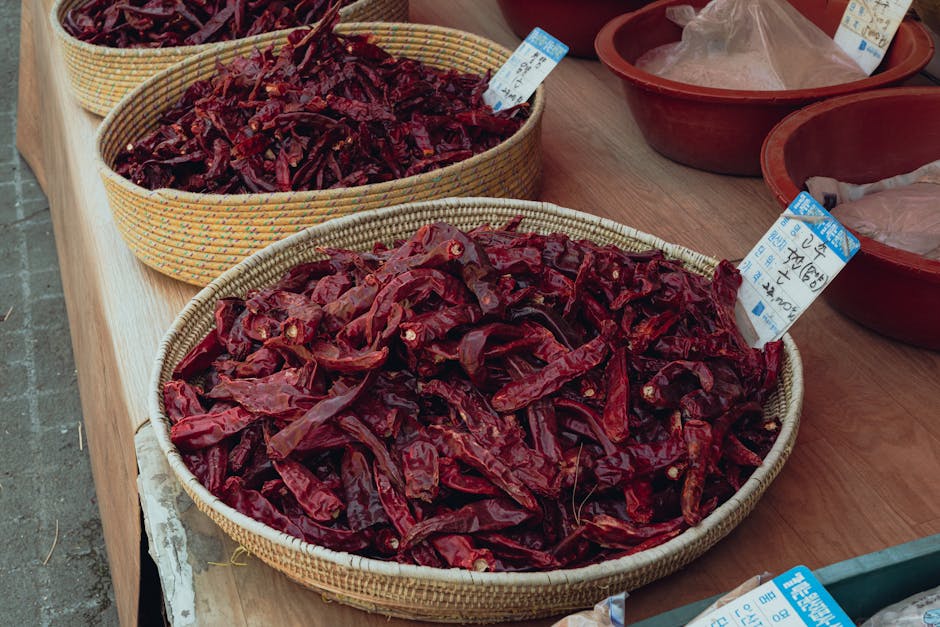
While cabbage kimchi is most familiar internationally, Korea boasts more than 200 kimchi varieties using different vegetables, seasonings, and fermentation techniques. This fermented staple has been central to Korean cuisine for thousands of years, providing essential nutrition during harsh winters. The kimchi-making tradition, called kimjang, is recognized by UNESCO as an Intangible Cultural Heritage.
12. Greek Olive Oil Production Spans 6,000 Years
Ancient Greeks were cultivating olives and producing oil as early as 4000 BCE, making it one of the world's oldest food industries. Olive oil was so valuable it was used as currency, medicine, and in religious ceremonies. Greek cuisine remains fundamentally built around olive oil, which provides the foundation for the Mediterranean diet recognized globally for its health benefits.
13. Moroccan Preserved Lemons Require Month-Long Preparation
Essential to authentic Moroccan tagines, preserved lemons undergo a month-long fermentation process using only salt and lemon juice. This ancient preservation technique, developed in regions with citrus abundance, intensifies flavors while creating unique complexity. The entire lemon—rind and flesh—becomes edible, adding distinctive aromatic qualities impossible to replicate with fresh lemons.
14. Brazilian Feijoada Transformed Slave Food into National Cuisine
Brazil's national dish, feijoada, originated in the kitchens of enslaved Africans who created hearty stews from discarded meat cuts. This painful history evolved into a celebrated culinary tradition that transcends social classes. Feijoada represents how marginalized communities often develop the most influential and enduring elements of national cuisines through resourcefulness and creativity.
15. Turkish Coffee Fortune-Telling Is a Cultural Tradition
Turkish coffee culture extends beyond the beverage itself. After drinking, the cup is inverted onto the saucer, and the remaining grounds are "read" to predict fortunes—a practice called tasseography. This tradition, dating back to the Ottoman Empire, exemplifies how food and drink rituals become intertwined with broader cultural practices and social bonding.
16. Ethiopian Injera Bread Doubles as Plate and Utensil
Ethiopian cuisine revolves around injera, a spongy sourdough flatbread made from teff flour. This nutritious bread serves simultaneously as plate, utensil, and food, with various stews and dishes placed directly on top. Diners tear pieces to scoop up accompaniments, making the entire meal edible and eliminating dishware—a practice reflecting both resourcefulness and communal dining values.
17. Peruvian Cuisine Incorporates Over 3,000 Potato Varieties
Peru is the birthplace of potato domestication, with indigenous communities cultivating approximately 3,000 varieties over millennia. This incredible biodiversity reflects diverse microclimates throughout the Andes Mountains. Peruvian cuisine showcases this heritage through dishes utilizing different potato types for specific preparations, from freeze-dried chuño to colorful native varieties unavailable elsewhere.
18. Lebanese Mezze Reflects Ancient Hospitality Traditions
The Lebanese mezze tradition—serving numerous small dishes before the main course—embodies Middle Eastern hospitality values dating back thousands of years. This practice, shared across the Levant region, transforms meals into extended social events. Mezze encourages conversation, sharing, and abundance, demonstrating how dining customs reflect deeper cultural values about generosity, community, and human connection.
The Universal Language of Food
These eighteen facts reveal that world cuisines are far more than collections of recipes—they are living histories that document human migration, cultural exchange, innovation, and adaptation. From preservation techniques developed millennia ago to fusion dishes born from colonial encounters, every culinary tradition carries stories of the people who created and refined them. Understanding these facts enriches our appreciation of global cuisines and reminds us that food serves as one of humanity's most powerful cultural ambassadors, capable of bridging differences and celebrating our shared heritage. Whether exploring ancient techniques or modern adaptations, the world's cuisines continue to evolve while honoring the traditions that make them unique.