








⏱️ 8 min read
Holidays around the world reflect the rich tapestry of human culture, tradition, and celebration. While most people are familiar with major holidays in their own countries, the global calendar is filled with fascinating observances that reveal surprising historical origins, unusual customs, and unexpected connections between different cultures. From ancient traditions that have evolved over millennia to modern celebrations that unite people across continents, these remarkable facts about global holidays offer a window into the diverse ways humanity marks time and celebrates life.
Ancient Origins and Historical Surprises
1. Christmas Was Once Banned in England
During the 17th century, the Puritan-led English Parliament actually banned Christmas celebrations from 1647 to 1660. The Puritans considered the holiday too indulgent and lacking biblical authority for its specific date. This ban extended to the American colonies, where celebrating Christmas could result in fines. The holiday only regained official status after the monarchy was restored, though it took centuries to reach its current level of popularity.
2. The Persian New Year Predates Most Modern Calendars
Nowruz, the Persian New Year celebrated on the spring equinox, has been observed for over 3,000 years, making it one of the world's oldest continuously celebrated holidays. Recognized by the United Nations as an international observance, Nowruz is celebrated by more than 300 million people across multiple countries, including Iran, Afghanistan, and parts of Central Asia, transcending religious and national boundaries.
3. Valentine's Day Has Dark Historical Roots
The romantic holiday celebrated worldwide originated from the Roman festival of Lupercalia, a fertility celebration that involved animal sacrifice and ritual whipping of women to increase their fertility. The Christian church later replaced this pagan festival with St. Valentine's Day, though the modern association with romantic love didn't emerge until the Middle Ages.
4. Halloween's Ancient Celtic Connection
Halloween traces its origins to the ancient Celtic festival of Samhain, when people believed the boundary between the living and dead became blurred. The Celts would light bonfires and wear costumes to ward off ghosts. When the Roman Empire conquered Celtic territories, they merged Samhain with their own festivals, eventually evolving into the Halloween celebrated today.
Unusual Customs and Traditions
5. Japan's Christmas KFC Tradition
In Japan, eating Kentucky Fried Chicken on Christmas Eve has become a beloved tradition, with families ordering their meals months in advance. This unusual custom began in 1974 following a successful marketing campaign called "Kurisumasu ni wa kentakkii," or "Kentucky for Christmas." Today, KFC Japan reports that it earns approximately one-third of its annual sales during the Christmas season.
6. The Twelve Grapes of Spain's New Year
Spaniards welcome the new year by eating twelve grapes at midnight, one with each bell strike. This tradition, known as "las doce uvas de la suerte," is believed to bring good luck for each month of the coming year. The custom dates back to 1909, when vine growers in Alicante promoted it as a way to sell surplus grapes.
7. Ethiopia's Unique Calendar Creates Different Holiday Dates
Ethiopia follows its own calendar system that is approximately seven to eight years behind the Gregorian calendar used by most of the world. This means Ethiopians celebrate New Year on September 11th (or September 12th in leap years) and Christmas on January 7th, creating a unique holiday schedule that differs from most other nations.
8. Denmark's Breaking Dishes Tradition
In Denmark, people save old dishes throughout the year to throw at friends' and family members' front doors on New Year's Eve. The more broken dishes found outside your door on New Year's Day, the more popular you are and the more good luck you'll receive in the coming year, making this one of the world's most unusual expressions of friendship.
Modern Celebrations and Global Connections
9. International Women's Day Started with Labor Rights
Celebrated on March 8th, International Women's Day originated in 1909 as a labor rights movement in New York, where 15,000 women marched for better working conditions. The holiday gained international recognition and is now observed in numerous countries, with some nations even designating it as a public holiday.
10. Diwali Is Celebrated by Multiple Religions
While commonly known as a Hindu festival of lights, Diwali is actually celebrated by Hindus, Jains, Sikhs, and some Buddhists, with each religion attributing different historical and spiritual significance to the five-day celebration. This makes it one of the world's most inclusive religious holidays, observed by over a billion people globally.
11. Bastille Day Inspired Many National Celebrations
France's Bastille Day, celebrated on July 14th, commemorates the storming of the Bastille prison in 1789, a pivotal moment in the French Revolution. This celebration became a model for numerous other national day observances worldwide, establishing the concept of celebrating a nation's founding moment or revolutionary spirit.
12. Chinese New Year Causes the World's Largest Human Migration
The Spring Festival, or Chinese New Year, triggers what's known as "chunyun," the world's largest annual human migration. Hundreds of millions of people travel across China to reunite with family, creating enormous strain on transportation systems. This two-week celebration affects global business, travel, and manufacturing significantly.
Religious Observances and Cultural Impact
13. Ramadan's Moving Calendar Creates Seasonal Variations
Because Islam follows a lunar calendar, Ramadan moves approximately 11 days earlier each year in the Gregorian calendar. This means Muslims experience fasting during all seasons over their lifetime, from short winter days to long summer days, creating vastly different experiences for the same religious observance depending on geographical location and year.
14. Hanukkah Was Once a Minor Holiday
Despite its prominent visibility today, particularly in countries with large Jewish populations, Hanukkah was historically considered a minor Jewish holiday. Its significance increased largely due to its proximity to Christmas, with many Jewish families adopting gift-giving traditions to ensure children didn't feel excluded during the winter holiday season.
15. Easter's Date Calculation Is Astronomically Complex
Easter Sunday is determined by a complex formula based on the lunar calendar and the spring equinox, falling on the first Sunday following the first full moon after the vernal equinox. This calculation can result in Easter occurring anytime between March 22nd and April 25th, and different Christian denominations sometimes celebrate on different dates due to calendar differences.
Unique Regional Celebrations
16. Thailand's Songkran Water Festival
Thailand's traditional New Year celebration, Songkran, has evolved into the world's largest water fight, with entire cities engaging in massive water battles for three days in April. What began as a gentle ritual of pouring water on Buddha statues and elders' hands as a sign of respect has transformed into an exuberant nationwide celebration that attracts tourists from around the globe.
17. Brazil's Carnival Preparation Takes All Year
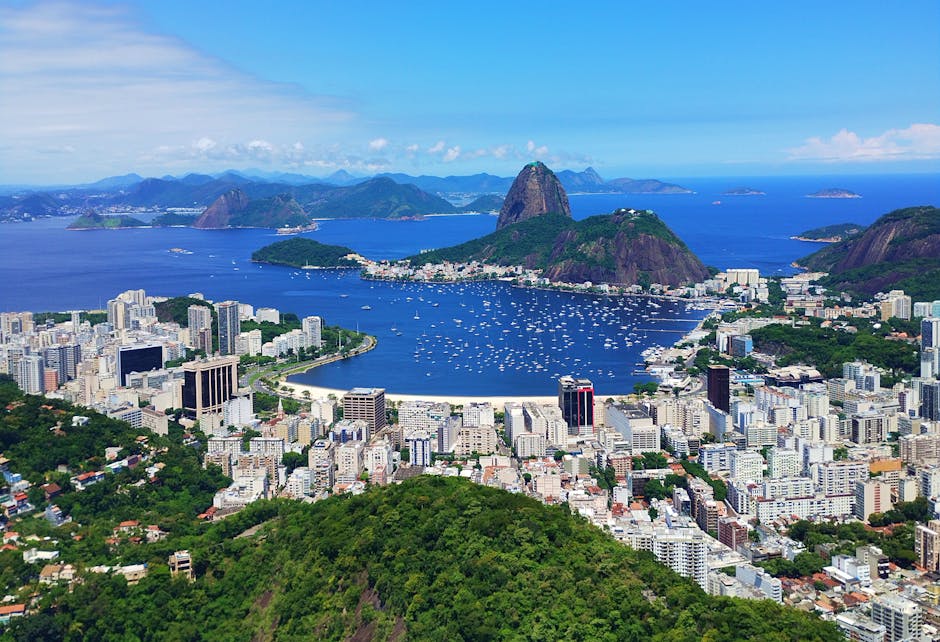
Rio de Janeiro's Carnival, one of the world's largest celebrations, requires year-round preparation by samba schools that compete in elaborate parades. These schools employ thousands of people who spend months creating costumes, choreographing performances, and building massive floats, making Carnival a significant economic and cultural institution rather than just a holiday.
18. Mexico's Day of the Dead Predates Spanish Colonization
Día de los Muertos, or Day of the Dead, combines indigenous Aztec rituals honoring the deceased with Catholic All Saints' and All Souls' Days brought by Spanish conquistadors. The holiday demonstrates how colonized peoples preserved their ancestral traditions by blending them with imposed religious practices, creating a unique celebration now recognized by UNESCO as cultural heritage.
19. India's Republic Day Features the World's Longest Parade
India's Republic Day celebration on January 26th includes a parade that can last over three hours, featuring military displays, cultural performances from all Indian states, and spectacular demonstrations. The parade route along Rajpath in New Delhi showcases India's diversity, military strength, and cultural richness, making it one of the world's most elaborate national day celebrations.
20. Midsummer in Scandinavia Surpasses Christmas in Importance
In Sweden, Finland, and other Scandinavian countries, Midsummer celebrations often hold greater cultural significance than Christmas. The celebration of the summer solstice includes dancing around maypoles, wearing flower crowns, and gathering with family for traditional feasts, reflecting the deep cultural importance of sunlight in regions that experience long, dark winters.
Conclusion
These twenty facts about global holidays reveal how human celebrations reflect our shared needs for connection, meaning, and joy while simultaneously expressing unique cultural identities. From ancient traditions that have survived millennia to modern observances that unite billions across borders, holidays serve as touchstones for cultural memory and collective experience. Whether marking seasonal changes, religious observances, historical events, or cultural milestones, these celebrations demonstrate humanity's universal desire to pause from daily routines and acknowledge moments of significance. Understanding these diverse holiday traditions not only broadens our cultural awareness but also reveals the common threads that connect all human societies in our shared journey through time. As globalization continues to bring cultures into closer contact, awareness and appreciation of these varied celebrations become increasingly important for fostering mutual respect and understanding across the rich diversity of human experience.