






































Which ancient civilization built the Great Pyramid of Giza?

1 / 40 Questions
0 Points

Which ancient civilization built the Great Pyramid of Giza?

Mayans

Romans

Egyptians

Persians

Points won
0
Correct score
0%

More Questions

More Articles

World Trivia Quiz: 20 Questions on Iconic Sites

World Trivia Quiz: 20 Questions on Iconic Sites

⏱️ 4 min read

World Trivia Quiz: 20 Questions on Iconic Sites

Test your knowledge of the world's most remarkable landmarks with this comprehensive trivia quiz featuring 20 fascinating questions about iconic sites around the globe. From ancient wonders to modern marvels, these questions will challenge your understanding of human architectural achievements and natural landmarks.

1. The Great Wall Mystery

Which dynasty built the majority of the Great Wall of China that tourists visit today? While many believe it dates back to ancient times, most of the current wall was actually constructed during the Ming Dynasty (1368-1644).

2. Petra's Hidden Secret

What was the original name of the ancient city of Petra before it was rediscovered in 1812? The site was known as Raqmu by its original Nabataean inhabitants before becoming the "Rose City" we know today.

3. Taj Mahal's True Colors

What natural phenomenon causes the Taj Mahal to appear to change colors throughout the day? The marble structure reflects different hues based on sunlight and moonlight conditions.

4. Machu Picchu's Purpose

What was the primary function of Machu Picchu in Inca civilization? Recent studies suggest it served as a royal estate rather than a lost city or military fortress.

5. Easter Island Heads

What's the local name for the famous stone statues on Easter Island? The moai, as they're called by locals, actually have bodies buried beneath the surface.

6. Stonehenge Stones

From where did the builders of Stonehenge source its iconic bluestone rocks? These stones were transported from the Preseli Hills in Wales, approximately 180 miles away.

7. Colosseum Capacity

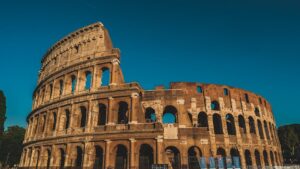
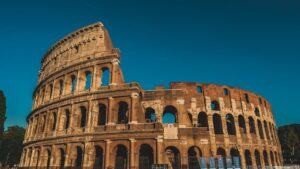
How many spectators could the Roman Colosseum hold at its peak? The amphitheater could accommodate between 50,000-80,000 people, rivaling modern stadiums.

8. Angkor Wat Scale

What makes Angkor Wat the largest religious monument in the world? The temple complex covers over 400 acres with a moat that forms a perfect square.

9. Statue of Liberty Origin

Which country originally created and gifted the Statue of Liberty to the United States? France presented it as a centennial gift celebrating American independence.

10. Christ the Redeemer Material

What material covers the exterior of Rio's Christ the Redeemer statue? The iconic statue is covered in thousands of soapstone triangles.

11. Parthenon Purpose

What was the original function of the Parthenon in ancient Athens? It served as a temple dedicated to the goddess Athena and housed a massive gold and ivory statue.

12. Great Pyramid Precision

How accurately is the Great Pyramid of Giza aligned with true north? The alignment is accurate to within 0.15 degrees, an remarkable feat for ancient builders.

13. Hagia Sophia Transitions

How many times has the Hagia Sophia changed its primary function? It has served as a Greek Orthodox cathedral, a mosque, a museum, and again as a mosque.

14. Mount Rushmore Scale

What is the height of each president's face carved into Mount Rushmore? The faces measure approximately 60 feet from chin to forehead.

15. Sydney Opera House Design

What inspired the distinctive sail-like design of the Sydney Opera House? Architect Jørn Utzon was inspired by orange segments and ship sails.

16. Eiffel Tower Paint

How many gallons of paint are required to cover the Eiffel Tower? It takes 60 tons of paint to cover the tower every seven years.

17. Chichen Itza Acoustics

What unique acoustic property does the main pyramid at Chichen Itza possess? A hand clap at the base creates an echo that sounds like a quetzal bird's call.

18. St. Peter's Basilica Height

Why was St. Peter's Basilica deliberately built to be 452 feet tall? It was designed to be one foot shorter than the Great Pyramid of Giza out of respect.

19. Forbidden City Numbers

How many rooms are contained within Beijing's Forbidden City? The complex contains 9,999 rooms, just short of the mythical 10,000 reserved for heaven.

20. Petra Treasury Purpose

What was the actual purpose of Petra's Treasury building? Despite its name, it was likely a temple or royal tomb rather than a treasury.

Conclusion

These 20 questions reveal the fascinating complexities and hidden stories behind some of the world's most iconic landmarks. From architectural mysteries to historical transformations, each site holds secrets that continue to intrigue scholars and visitors alike. Understanding these details enriches our appreciation of humanity's greatest architectural and cultural achievements throughout history.

Top 15 Shocking American Statistics You Won’t Believe

Top 15 Shocking American Statistics You Won’t Believe

⏱️ 7 min read

The United States is a land of fascinating contrasts and surprising realities. Behind the headlines and conventional wisdom lie statistics that challenge common assumptions and reveal unexpected truths about American life. These data points paint a picture of a nation that continues to surprise even its own citizens, highlighting peculiarities in culture, economics, health, and society that many find hard to believe until they see the numbers.

Demographics and Population Trends

1. More Americans Live Alone Than Ever Before

Approximately 28% of American households consist of just one person, a dramatic increase from 13% in 1960. This means roughly 36 million Americans live entirely alone, representing a significant shift in social structure and living arrangements. The trend reflects changing attitudes toward marriage, increased longevity, and evolving definitions of family. This statistic has profound implications for housing markets, urban planning, and social services, as single-person households have different needs than traditional family units.

2. Alaska Has More Than Three Million Lakes

While not a demographic statistic per se, Alaska contains more than 3 million lakes larger than five acres, which exceeds the entire population of many U.S. states. This means Alaska has more lakes than it has people by a ratio of approximately 4:1, showcasing the vast untouched wilderness that characterizes America's largest state. These bodies of water cover such extensive territory that if you tried to visit one lake per day, it would take over 8,000 years to see them all.

Economic Realities

3. Americans Throw Away $165 Billion in Food Annually

The United States wastes approximately 40% of its food supply each year, translating to roughly $165 billion worth of food discarded annually. The average American family of four throws away approximately $1,500 worth of food each year. This staggering waste occurs while millions of Americans struggle with food insecurity, creating a paradox that highlights both abundance and inefficiency in the American food system.

4. Credit Card Debt Exceeds $1 Trillion

American consumers collectively carry over $1 trillion in credit card debt, with the average household that carries debt owing approximately $15,000 to $16,000. This figure doesn't include mortgages, auto loans, or student debt, representing purely revolving credit card balances. The interest paid on this debt costs American families billions annually, affecting their ability to save for retirement and emergencies.

Health and Lifestyle

5. Americans Consume 50 Billion Bottles of Water Per Year

Despite having one of the safest tap water systems in the world, Americans purchase approximately 50 billion bottles of water annually. This equals about 154 bottles per person each year. Only about 23% of these bottles are recycled, meaning billions end up in landfills or the ocean. The bottled water industry has grown exponentially despite tap water being available at a fraction of the cost and environmental impact.

6. The Average American Spends More Than 11 Hours Daily With Electronic Media

Americans spend an average of 11 hours and 6 minutes per day interacting with media, including smartphones, computers, television, radio, and gaming devices. This represents nearly half of each day consumed by screens and electronic content. The trend has increased steadily over the past decade, with implications for physical health, mental well-being, and social interactions.

7. More Than 100 Million Americans Have Prediabetes or Diabetes

Over 37 million Americans have diabetes, while another 96 million adults have prediabetes, totaling more than one-third of the U.S. adult population. Shockingly, approximately 80% of people with prediabetes don't know they have it. This epidemic costs the American healthcare system an estimated $327 billion annually in medical costs and lost productivity.

Education and Knowledge

8. Student Loan Debt Surpasses $1.7 Trillion

Americans collectively owe more than $1.7 trillion in student loan debt, affecting approximately 45 million borrowers. The average student loan debt for recent graduates is around $30,000, though many owe significantly more. This debt burden has delayed major life milestones for millions of Americans, including home purchases, marriage, and starting families. Student loan debt now exceeds both credit card debt and auto loan debt in the United States.

9. Only 27% of Americans Have a Bachelor's Degree

Despite the emphasis on higher education and rising college costs, only about 27% of American adults aged 25 and older hold a bachelor's degree or higher. This percentage varies dramatically by state and demographic group, with some states having rates below 20%. The statistic surprises many who assume college education is more universal given the cultural emphasis on obtaining a degree.

Transportation and Infrastructure

10. Americans Drive Three Trillion Miles Annually

Americans collectively drive approximately 3 trillion miles per year, averaging about 14,000 miles per licensed driver. This extraordinary distance reflects both the geographic spread of the United States and the car-dependent culture that defines much of American life. The total distance is equivalent to making over 6 million round trips to the moon, highlighting America's unique relationship with automobile transportation.

11. There Are More Public Libraries Than McDonald's Locations

The United States has approximately 17,000 public library branches, while there are roughly 13,000 McDonald's restaurants. This surprising statistic challenges perceptions about American priorities and cultural institutions. Despite concerns about declining readership, public libraries outnumber one of America's most ubiquitous commercial establishments, serving as community hubs that offer far more than just books.

Social and Cultural Facts

12. Americans Send Over 6 Billion Text Messages Daily

More than 6 billion text messages are sent in the United States every day, totaling over 2 trillion messages annually. This averages to approximately 18 texts per person per day across all demographics. The volume of text communication has fundamentally changed how Americans interact, conduct business, and maintain relationships, representing a communication revolution that occurred within just two decades.

13. Pets Outnumber Children in American Homes

There are approximately 85 million American households with pets, compared to roughly 40 million households with children under 18. Americans spend over $100 billion annually on their pets, including food, veterinary care, supplies, and services. This shift reflects changing family structures, delayed parenthood, and the emotional importance many Americans place on animal companionship.

14. More Americans Believe in Ghosts Than Have a Written Will

Approximately 45% of Americans believe in ghosts, while only about 33% have a written will or estate plan. This peculiar disparity highlights interesting priorities regarding the afterlife versus practical planning for death. The statistic reveals how Americans often avoid uncomfortable planning tasks while embracing supernatural beliefs, despite the concrete benefits of estate planning for surviving family members.

15. The Average American Moves 11.7 Times in Their Lifetime

Americans are remarkably mobile, with the average person moving nearly 12 times throughout their life. This high mobility rate distinguishes Americans from citizens of many other developed nations and reflects the cultural willingness to relocate for jobs, education, relationships, or lifestyle preferences. The frequency of moves has implications for community bonds, civic engagement, and social networks, contributing to both opportunity and rootlessness in American society.

Understanding America Through Statistics

These fifteen statistics reveal an America that defies simple categorization. From the contradiction of food waste amid food insecurity to the paradox of extensive student debt despite relatively low degree attainment, these numbers tell stories of a complex nation navigating rapid technological change, economic challenges, and evolving social norms. The data points highlight both strengths and struggles, from the remarkable network of public libraries to the concerning levels of diabetes and debt. Understanding these statistics provides valuable insight into the realities of contemporary American life, challenging assumptions and revealing the fascinating complexities beneath the surface of everyday experience. Whether concerning health, wealth, education, or lifestyle, these figures remind us that America continues to be a land of surprising contrasts and unexpected truths.