


⏱️ 6 min read
The United States is home to thousands of cities, each with its own unique character, history, and quirks. While most people know the major landmarks and famous attractions, there's a treasure trove of surprising facts hiding beneath the surface of American urban life. From bizarre historical incidents to unusual geographic features, these unexpected tidbits reveal a side of US cities that rarely makes it into travel guides or history textbooks.
Fascinating Urban Discoveries
1. New York City's Secret Pneumatic Mail System
Beneath the bustling streets of Manhattan lies an abandoned network of pneumatic tubes that once delivered mail at speeds up to 35 miles per hour. Operational from 1897 to 1953, this sophisticated system connected 23 post offices across the city, using compressed air to shoot mail canisters through 27 miles of underground tubes. The system was so efficient that letters could travel from the main post office to Harlem in just minutes, far faster than surface transportation could manage during the congested early 20th century.
2. Las Vegas Has More Hotel Rooms Than Any Other City
While this might seem obvious given its reputation, the scale is staggering: Las Vegas boasts over 150,000 hotel rooms, more than any other city on Earth. To put this in perspective, that's more hotel rooms than the populations of many small American cities. This enormous accommodation capacity means Las Vegas could theoretically house every resident of Savannah, Georgia, in hotel rooms alone, with space to spare.
3. Seattle's Underground City
After the Great Seattle Fire of 1889 destroyed much of the downtown area, city planners decided to rebuild at a higher elevation to prevent flooding from Puget Sound. This created an entire underground level of storefronts, sidewalks, and building facades that still exist today. Visitors can now tour these subterranean passages and glimpse into the city's Victorian past, walking through what were once ground-level streets that are now buried beneath modern Seattle.
4. Detroit Has Urban Farms Within City Limits
Detroit has transformed thousands of vacant lots into productive urban farmland, making it one of the largest urban agricultural centers in America. The city now has over 1,500 urban farms and gardens producing everything from vegetables to honey. This agricultural revolution has turned blight into bounty, with some estimates suggesting that Detroit could become completely self-sufficient in vegetable production if current trends continue.
5. Charleston's Rainbow Row Wasn't Always Colorful
The iconic pastel-colored houses along Charleston's East Bay Street, known as Rainbow Row, weren't always the Instagram-worthy attraction they are today. These historic buildings were actually painted in bright colors starting in the 1930s as part of a restoration project. The colorful tradition stuck, and now these 13 Georgian row houses form the longest cluster of historic homes in the United States and one of Charleston's most photographed locations.
6. Chicago's River Flows Backward
The Chicago River is one of the few rivers in the world that flows backward from its original course. In an impressive feat of engineering completed in 1900, the city reversed the river's flow to prevent contaminated water from flowing into Lake Michigan, the source of Chicago's drinking water. This massive project required digging a canal system and is still considered one of the greatest engineering achievements in American history.
7. Pittsburgh Has More Bridges Than Venice
Despite Venice's reputation as the city of bridges, Pittsburgh actually holds the title with 446 bridges within city limits, compared to Venice's approximately 400. This impressive collection has earned Pittsburgh the nickname "City of Bridges." The abundance of bridges is necessary due to Pittsburgh's unique geography, situated at the confluence of three rivers: the Allegheny, Monongahela, and Ohio.
8. San Francisco's Fog Has a Name
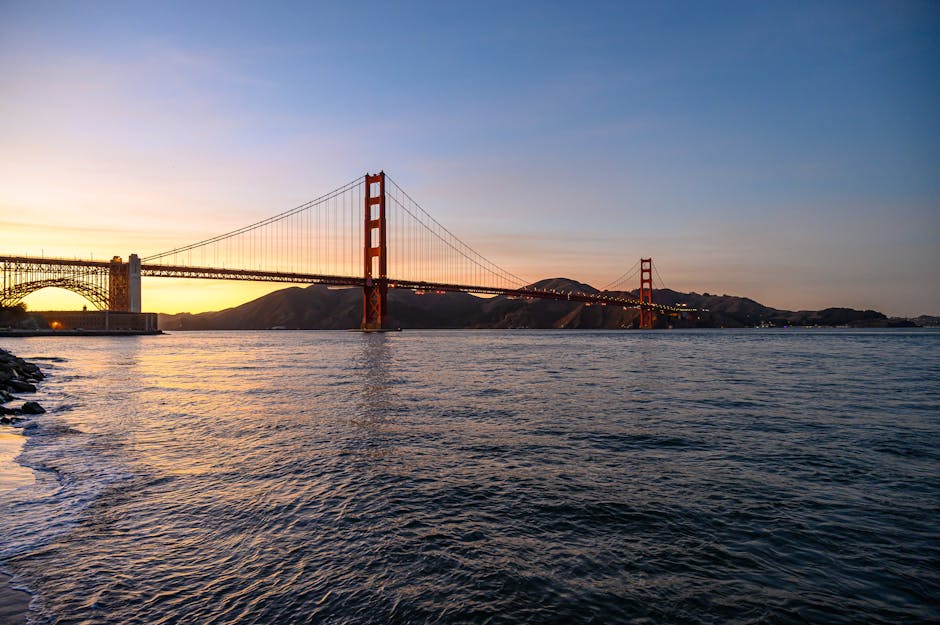
The famous fog that rolls into San Francisco Bay has been affectionately nicknamed "Karl the Fog" by locals and even has its own social media accounts with hundreds of thousands of followers. This isn't just quirky nomenclature—the fog is a scientifically significant weather phenomenon created when warm inland air meets the cold California Current in the Pacific Ocean, producing the dense marine layer that blankets the city during summer months.
9. Boston's Streets Follow Cow Paths
The notoriously confusing street layout of downtown Boston isn't the result of poor planning but rather reflects the city's colonial origins. Many of Boston's winding streets actually follow the paths that cows took to pasture in the 1600s. As the city grew, these informal paths became permanent roads, creating the maze-like street pattern that confounds modern GPS systems and visitors alike.
10. Miami Is the Only US City Founded by a Woman
Julia Tuttle, known as the "Mother of Miami," is the only woman to have founded a major American city. In the 1890s, she convinced railroad magnate Henry Flagler to extend his railroad to the Miami area by sending him orange blossoms to prove that the region hadn't been affected by a devastating freeze that had hit northern Florida. Her persistence paid off, and Miami was officially incorporated as a city in 1896, making Tuttle a pioneering figure in American urban development.
11. Portland Has the Smallest City Park in the World
Mill Ends Park in Portland, Oregon, holds the Guinness World Record as the world's smallest park at just 452 square inches—about the size of a large pizza. Created in 1948, this tiny circle of green space was originally meant to house a light pole but instead became a whimsical urban feature complete with a swimming pool for butterflies and tiny Ferris wheels over the years, according to local legend.
12. New Orleans Is Below Sea Level
Approximately half of the greater New Orleans area sits below sea level, with some areas as much as 15 feet below. This unique geographic situation means the city relies on an extensive system of pumps, levees, and canals to keep water out. The city's drainage pumps are so powerful that they can pump enough water in one second to fill an Olympic-sized swimming pool in just over an hour, making New Orleans' water management system one of the most sophisticated in the world.
The Hidden Stories of American Cities
These twelve unexpected facts demonstrate that American cities are far more complex and fascinating than their surface-level attractions might suggest. From engineering marvels like Chicago's reversed river and New Orleans' massive pump systems to quirky features like Portland's miniature park and San Francisco's celebrity fog, each urban area has developed its own distinct identity shaped by geography, history, and human ingenuity. Understanding these lesser-known aspects of US cities enriches our appreciation for the diverse tapestry of American urban life and reminds us that every city has stories worth discovering beyond the typical tourist narrative.