⏱️ 7 min read
Throughout its relatively brief history, the United States has engaged in numerous military conflicts that have fundamentally altered its political landscape, territorial boundaries, social fabric, and international standing. These pivotal moments of warfare have tested the nation's resolve, redefined its values, and ultimately shaped the country Americans know today. From the struggle for independence to modern conflicts in distant lands, each war has left an indelible mark on the American experience, influencing everything from civil rights and economic policy to foreign relations and national identity.
The Wars That Forged America
1. The American Revolutionary War (1775-1783)
The Revolutionary War stands as the founding conflict of the United States, transforming thirteen British colonies into an independent nation. This eight-year struggle against the world's most powerful empire established core American principles of self-governance, individual liberty, and resistance to tyranny. The war introduced iconic figures like George Washington, whose leadership would set precedents for the presidency, and resulted in the Treaty of Paris, which recognized American sovereignty. Beyond independence, the conflict sparked a global wave of republican ideals and demonstrated that colonial subjects could successfully challenge imperial powers. The revolution's legacy continues to influence American political philosophy and national identity.
2. The War of 1812 (1812-1815)
Often called America's "Second War of Independence," the War of 1812 solidified the young nation's sovereignty and fostered a distinct American national identity. Though militarily inconclusive, the conflict ended British interference with American shipping, resolved territorial disputes, and demonstrated that the United States could defend itself against European aggression. The war produced enduring national symbols, including Francis Scott Key's "Star-Spangled Banner" and Andrew Jackson's emergence as a military hero. The conflict's conclusion ushered in the "Era of Good Feelings," a period of political unity and economic expansion that accelerated westward expansion and industrial development.
3. The Mexican-American War (1846-1848)
This controversial conflict dramatically expanded American territory, adding what would become California, Nevada, Utah, Arizona, New Mexico, and parts of Colorado and Wyoming. The Treaty of Guadalupe Hidalgo transferred approximately 525,000 square miles to the United States, fulfilling the ideology of Manifest Destiny that drove nineteenth-century expansion. However, the war's legacy proved divisive, intensifying sectional tensions over slavery's expansion into new territories. The addition of these lands directly contributed to the debates that would eventually erupt into civil war. The conflict also established the United States as a continental power and introduced future Civil War leaders like Ulysses S. Grant and Robert E. Lee to warfare.
4. The Civil War (1861-1865)
The Civil War remains the deadliest conflict in American history, claiming over 600,000 lives while determining whether the United States would survive as a unified nation. This cataclysmic struggle between North and South abolished slavery through the Thirteenth Amendment, redefined federal-state relationships, and settled the question of secession. The war's conclusion during Reconstruction led to the Fourteenth and Fifteenth Amendments, establishing citizenship rights and voting protections that would become foundations for future civil rights movements. The conflict transformed America from a loose confederation of states into a singular nation, fundamentally reshaping political, economic, and social structures. Its reverberations continue to influence American society, politics, and race relations today.
5. The Spanish-American War (1898)
This brief but consequential conflict marked America's emergence as a global imperial power. Lasting only ten weeks, the war resulted in U.S. acquisition of Puerto Rico, Guam, and the Philippines, while establishing Cuban independence under American influence. The conflict demonstrated American military capabilities to the world and shifted the nation's foreign policy focus toward international engagement and territorial expansion beyond the continental United States. The war introduced America to the complexities and controversies of empire, sparking debates about colonialism that resonate in contemporary discussions of American power. It also established the United States as the dominant power in the Western Hemisphere and signaled the decline of European colonial influence in the Americas.
6. World War I (1914-1918)
America's entry into World War I in 1917 transformed the nation into a decisive global military power and fundamentally altered its isolationist foreign policy traditions. The American Expeditionary Forces' intervention helped break the stalemate on the Western Front, contributing to Allied victory. The war accelerated industrial production, advanced women's suffrage efforts as women entered the workforce in unprecedented numbers, and triggered the Great Migration of African Americans from South to North. President Wilson's Fourteen Points influenced post-war peace negotiations and established principles of self-determination and international cooperation, though the Senate's rejection of the League of Nations revealed continued tensions between internationalism and isolationism. The conflict's aftermath reshaped the global order and established America as a leading world power.
7. World War II (1941-1945)
World War II fundamentally transformed America into a military and economic superpower while reshaping domestic society. The attack on Pearl Harbor ended isolationist sentiments, mobilizing the entire nation for total war. American industrial might produced unprecedented quantities of war materials, ending the Great Depression and establishing economic dominance that would last decades. The war accelerated social changes, including women's workforce participation and the beginning of the civil rights movement, as African American veterans returned demanding equality after fighting for freedom abroad. The conflict's conclusion left the United States and Soviet Union as rival superpowers, setting the stage for the Cold War. The development and use of atomic weapons introduced humanity to the nuclear age, forever changing warfare and international relations.
8. The Korean War (1950-1953)
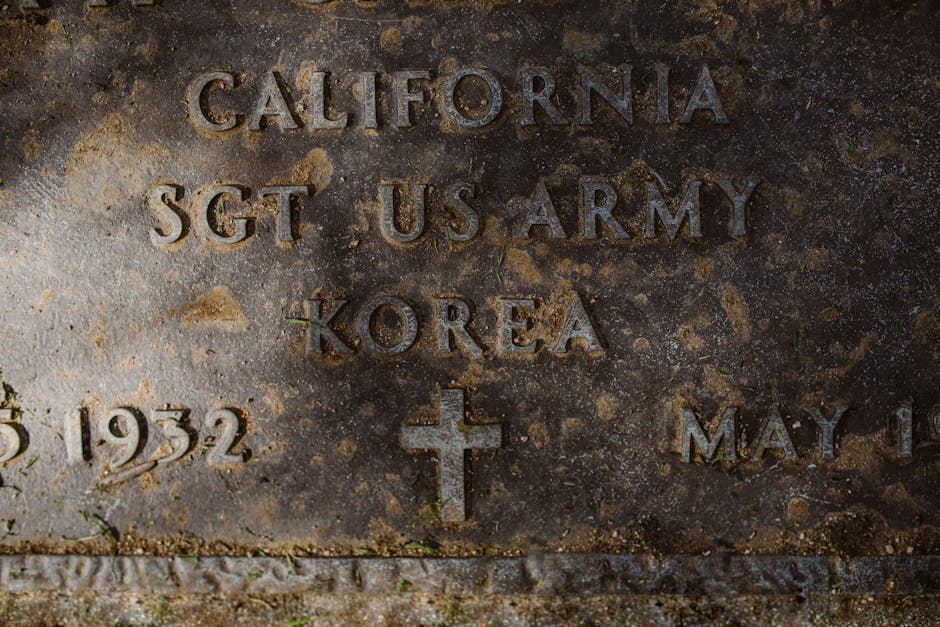
The Korean War marked the first major military engagement of the Cold War era and established the precedent of limited warfare in the nuclear age. This "forgotten war" resulted in permanent American military presence in East Asia and solidified the policy of communist containment. The conflict demonstrated America's commitment to collective security through the United Nations and NATO alliances, though the armistice left Korea divided—a situation persisting today. The war expanded presidential war-making powers, as President Truman committed forces without formal congressional declaration, setting controversial precedents for future conflicts. The stalemate demonstrated limitations of American power and introduced Americans to the frustrating concept of wars without clear victory.
9. The Vietnam War (1955-1975)
The Vietnam War profoundly impacted American society, politics, and military strategy, becoming the longest and most divisive conflict since the Civil War. The war sparked massive anti-war movements, challenged government credibility following revelations about the Pentagon Papers and Gulf of Tonkin incident, and created deep generational divides. The conflict's outcome—America's first clear military defeat—led to comprehensive reassessment of foreign policy, military doctrine, and the limits of American power. The War Powers Resolution of 1973 attempted to restrain executive military authority, while the all-volunteer military replaced conscription. Vietnam syndrome influenced American reluctance toward military intervention for decades, affecting decisions from Central America to the Middle East. The war's legacy continues shaping debates about military intervention, government transparency, and the relationship between citizens and their government.
10. The War on Terror and Afghanistan War (2001-2021)
Following the September 11, 2001 terrorist attacks, America launched its longest war, fundamentally altering national security policy, civil liberties, and foreign relations. The conflict introduced Americans to asymmetric warfare against non-state actors, while the broader War on Terror expanded to multiple countries and continents. The creation of the Department of Homeland Security, passage of the USA PATRIOT Act, and implementation of enhanced security measures transformed daily American life. The wars in Afghanistan and Iraq cost trillions of dollars, thousands of American lives, and countless civilian casualties while raising questions about nation-building and counterinsurgency effectiveness. The war reshaped American foreign policy priorities, strained alliances, and sparked ongoing debates about surveillance, executive power, and the balance between security and liberty that continue defining contemporary political discourse.
The Enduring Impact of Conflict
These ten wars collectively shaped every aspect of modern America—from its borders and political institutions to its role in global affairs and its citizens' understanding of freedom, duty, and national purpose. Each conflict tested American ideals, exposed national contradictions, and forced the country to confront difficult questions about its values and identity. While wars brought tremendous suffering and loss, they also catalyzed social progress, technological innovation, and political transformation. Understanding these pivotal conflicts remains essential for comprehending how the United States evolved from a colonial rebellion into a global superpower, and how the decisions made during wartime continue influencing contemporary American life, politics, and international relations. The lessons learned—and sometimes forgotten—from these conflicts continue shaping how America confronts new challenges in an ever-changing world.