









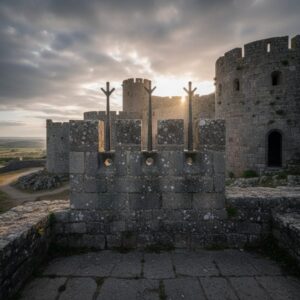
What was Greek fire, sometimes used in medieval castle sieges?

1 / 10 Questions
0 Points
Points won
0
Correct score
0%

More Questions

More Articles

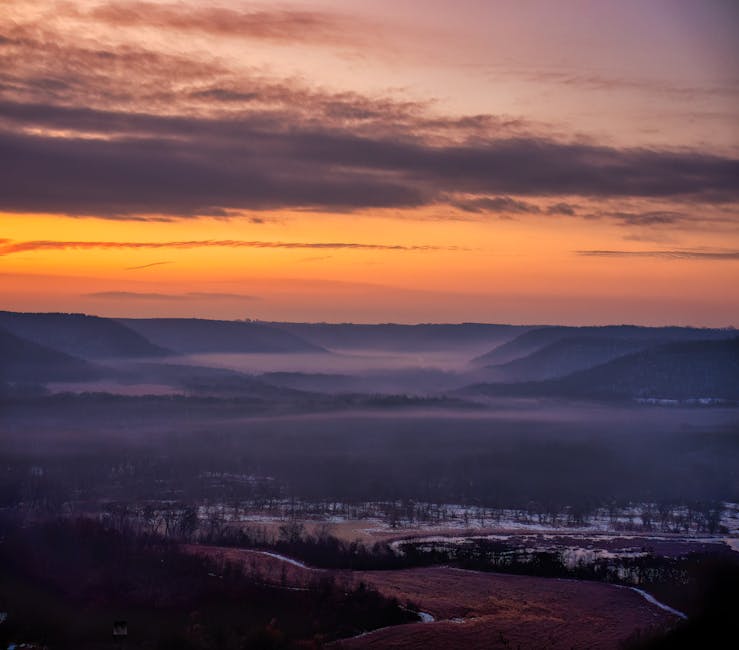
Top 10 Stunning Geographical Wonders of the United States

Top 10 Stunning Geographical Wonders of the United States

⏱️ 7 min read

The United States spans an incredibly diverse landscape, from ancient rock formations carved over millions of years to dynamic volcanic features still shaping the earth today. Across nearly four million square miles, the nation encompasses some of the planet's most breathtaking natural phenomena. These geological and geographical marvels showcase the powerful forces of nature—erosion, volcanic activity, tectonic movement, and glacial sculpting—that have created landscapes of unparalleled beauty and scientific significance.

Natural Masterpieces Carved by Time and Elements

1. The Grand Canyon's Layered Geological History

Stretching 277 miles through northern Arizona, the Grand Canyon represents nearly two billion years of Earth's geological history exposed in its stratified rock walls. The Colorado River has carved this massive chasm to depths exceeding one mile, revealing layer upon layer of limestone, sandstone, shale, and schist. Each colorful band tells a story of ancient seas, deserts, and mountains that once occupied this region. The canyon's immense scale—up to 18 miles wide in places—creates a landscape so vast that it generates its own weather patterns. Geologists consider it one of the finest examples of erosion anywhere on Earth, offering unparalleled insights into the planet's deep past.

2. Yellowstone's Supervolcanic Caldera System

Beneath Yellowstone National Park in Wyoming lies one of the world's largest active volcanic systems. This supervolcano has erupted catastrophically three times in the past 2.1 million years, with the most recent eruption creating the massive caldera that now forms much of the park's central region. The ongoing volcanic activity manifests in over 10,000 hydrothermal features, including geysers, hot springs, mudpots, and fumaroles. Old Faithful, the park's most famous geyser, erupts approximately every 90 minutes, shooting boiling water up to 180 feet into the air. The volcanic heat also creates stunning colorful pools like Grand Prismatic Spring, where thermophilic bacteria produce vibrant rainbow hues around the brilliant blue water.

3. Yosemite's Granite Monoliths and Glacial Valleys

Yosemite Valley in California showcases some of the world's most impressive granite formations, carved by glaciers over millions of years. El Capitan, rising 3,000 feet from the valley floor, represents one of the largest granite monoliths on Earth and attracts rock climbers from around the globe. Half Dome, another iconic formation, displays the dramatic effects of glacial erosion on its sheer northwestern face. The valley itself was carved by successive glaciations, creating the classic U-shaped profile. Waterfalls cascade from hanging valleys, with Yosemite Falls dropping a total of 2,425 feet, making it one of North America's tallest waterfalls. The exposed granite throughout the park reveals the roots of an ancient mountain range.

4. Monument Valley's Sandstone Towers and Buttes

Straddling the Arizona-Utah border, Monument Valley features massive sandstone buttes rising up to 1,000 feet from the desert floor. These iconic formations, including the famous Mittens and Merrick Butte, are remnants of a once-continuous sandstone layer deposited during the Permian period roughly 270 million years ago. Erosion has worn away the softer surrounding materials, leaving these resistant towers standing as monuments to geological time. The deep red color comes from iron oxide, and the formations change hue throughout the day as sunlight strikes them at different angles. The valley floor itself sits at 5,200 feet elevation, creating dramatic vistas against the desert sky.

5. Mammoth Cave's Subterranean Labyrinth

Kentucky's Mammoth Cave system represents the world's longest known cave network, with over 420 mapped miles of passages. This limestone cave formed over tens of millions of years as slightly acidic groundwater dissolved the rock, creating enormous chambers, narrow passageways, and intricate formations. The cave contains multiple levels, with some passages stacked vertically as water found new routes through the limestone. Underground rivers still flow through portions of the system, continuing the erosion process. The cave's ecosystem includes unique blind fish and other troglobitic species adapted to permanent darkness. Its scale and complexity make it unrivaled among cave systems worldwide.

6. The Hawaiian Islands' Volcanic Formation Chain

The Hawaiian archipelago demonstrates one of geology's most fascinating processes: the formation of volcanic islands over a stationary mantle hotspot. As the Pacific Plate moves northwest at about four inches per year, new volcanoes form while older ones become extinct and erode away. The Big Island of Hawaii remains volcanically active, with Kilauea having erupted almost continuously from 1983 to 2018. Mauna Loa, the world's largest active volcano by volume, rises over 30,000 feet from the ocean floor. The islands showcase every stage of volcanic evolution, from active lava flows creating new land to the ancient, deeply eroded cliffs of Kauai. The chain extends northwest for over 1,500 miles, including underwater seamounts and atolls.

7. Death Valley's Below-Sea-Level Basin and Extreme Terrain

California's Death Valley holds multiple geological superlatives. Badwater Basin, at 282 feet below sea level, marks the lowest point in North America. The valley experiences the continent's highest recorded temperatures, with a verified 134°F reading from 1913. This extreme desert basin formed through tectonic activity, with the valley floor dropping along fault lines while surrounding mountains rose. Despite minimal rainfall—less than two inches annually—flash floods periodically reshape the landscape. Salt flats covering the valley floor contain minerals left behind by ancient lakes that existed during ice ages. The diverse terrain includes sand dunes, colorful badlands, volcanic craters, and snow-capped peaks, all within a single national park.

8. Niagara Falls' Massive Water Flow and Erosion Power

Straddling the United States-Canada border, Niagara Falls processes an enormous volume of water from the Great Lakes. The American Falls and Bridal Veil Falls on the U.S. side, combined with Horseshoe Falls, channel over 750,000 gallons per second during peak flow. The falls formed about 12,000 years ago at the end of the last ice age when glacial meltwater began flowing through the Niagara Gorge. The powerful erosion has caused the falls to retreat approximately seven miles upstream from their original location. The falls erode the underlying rock at varying rates, with softer layers wearing away faster and creating the characteristic overhanging ledges. This natural spectacle demonstrates the relentless power of moving water to reshape landscapes.

9. The Great Sand Dunes' Towering Desert Mountains

Colorado's Great Sand Dunes National Park contains North America's tallest dunes, with Star Dune rising 755 feet from base to crest. These massive sand accumulations formed over thousands of years as prevailing winds carried sediments from the San Luis Valley floor and deposited them against the Sangre de Cristo Mountains. The opposing wind patterns create reversing dunes that grow vertically rather than migrating horizontally. The sand comes from ancient lakes and eroded volcanic rock, giving it a distinctive light tan color. Seasonal streams at the dune base, fed by mountain snowmelt, create a stark contrast between alpine and desert ecosystems. The dunes constantly shift and reshape with the wind, creating an ever-changing landscape.

10. Antelope Canyon's Sculpted Sandstone Corridors

Located on Navajo land in northern Arizona, Antelope Canyon showcases the artistic power of water erosion in Navajo sandstone. Flash floods over millennia carved narrow, twisting passages through the rock, creating smooth, flowing walls that seem to undulate. Light beaming down from above illuminates the corridors, highlighting the various red, orange, and purple hues in the sandstone layers. The upper and lower sections of the canyon offer different experiences, with the upper canyon featuring wider passages and dramatic light beams, while the lower canyon provides more intimate, technical exploration. The canyon continues to evolve, with occasional flash floods still reshaping the passages and depositing new layers of sediment.

Preserving Natural Heritage

These ten geographical wonders represent just a fraction of America's natural diversity, yet they encompass a remarkable range of geological processes and timescales. From volcanic fire to glacial ice, from wind-sculpted dunes to water-carved canyons, these landscapes demonstrate the dynamic forces that continue shaping our planet. Each location offers unique scientific insights while inspiring awe at nature's creative power. Protecting these irreplaceable natural treasures ensures that future generations can study, appreciate, and marvel at these extraordinary geographical phenomena that make the United States home to some of Earth's most spectacular scenery.
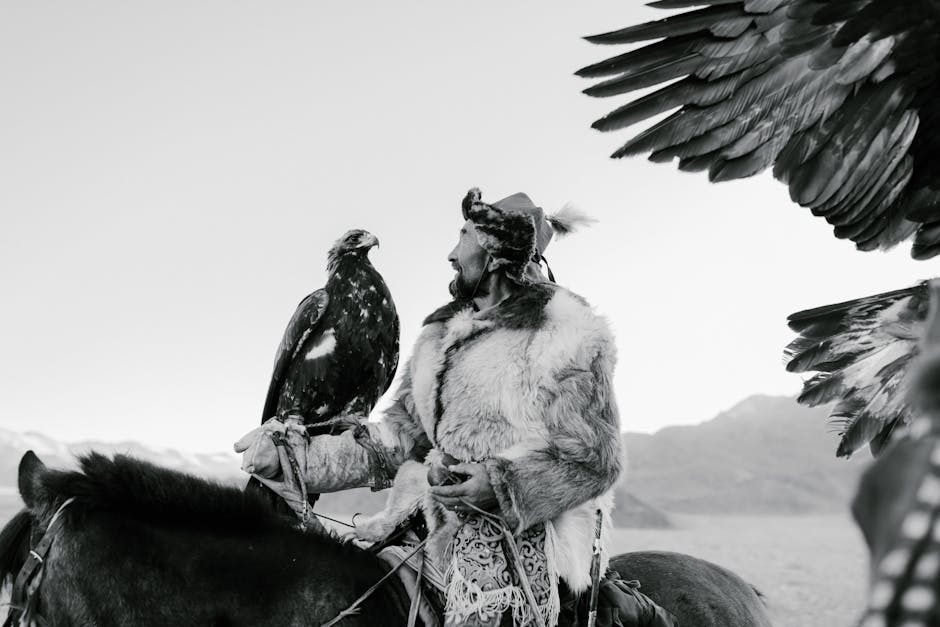
18 Fascinating Facts About Native American History in the USA

18 Fascinating Facts About Native American History in the USA

⏱️ 7 min read

The history of Native Americans in what is now the United States spans thousands of years, long predating European colonization. From sophisticated civilizations and democratic governance systems to devastating conflicts and remarkable resilience, the indigenous peoples of North America have shaped the continent in profound ways. Understanding their contributions, challenges, and enduring legacy is essential to comprehending American history as a whole.

Ancient Origins and Early Civilizations

1. The Bering Land Bridge Migration Theory

Scientific evidence suggests that the ancestors of Native Americans migrated from Asia to North America approximately 15,000 to 20,000 years ago via the Bering Land Bridge, a landmass that once connected Siberia to Alaska during the last Ice Age. This massive migration resulted in the spread of human populations throughout North and South America, eventually giving rise to hundreds of distinct cultures and nations.

2. Cahokia: America's First Major City

Near present-day St. Louis, Missouri, the city of Cahokia flourished between 1050 and 1350 CE, becoming the largest pre-Columbian settlement north of Mexico. At its peak, Cahokia housed an estimated 10,000 to 20,000 residents and featured massive earthen mounds, including Monks Mound, which covers 14 acres at its base. This sophisticated urban center demonstrated advanced city planning, agriculture, and social organization centuries before European arrival.

3. The Iroquois Confederacy and Democratic Principles

The Iroquois Confederacy, also known as the Haudenosaunee, established one of the world's oldest participatory democracies around 1142 CE. The Great Law of Peace united five nations (later six) under a sophisticated governmental structure featuring checks and balances, representative democracy, and the concept of federalism. Many historians believe these principles influenced the framers of the United States Constitution.

Cultural Achievements and Innovations

4. Advanced Agricultural Techniques

Native Americans developed the "Three Sisters" agricultural system, ingeniously growing corn, beans, and squash together in a mutually beneficial arrangement. The corn provided a structure for beans to climb, beans fixed nitrogen in the soil, and squash leaves provided ground cover that retained moisture and prevented weeds. This sustainable farming method supported large populations and was later adopted by European colonists.

5. Linguistic Diversity Across the Continent

Before European contact, an estimated 300 to 1,000 distinct languages were spoken across North America, representing dozens of language families as different from each other as English is from Chinese. This linguistic diversity reflected the incredible cultural variety among Native American peoples, with each language encoding unique worldviews, knowledge systems, and cultural practices.

6. The Ancient Pueblo Cliff Dwellings

The Ancestral Puebloans constructed elaborate cliff dwellings in the Four Corners region between 1190 and 1300 CE, including the famous structures at Mesa Verde. These architectural marvels were built into cliff faces using stone, wood, and mortar, featuring multiple stories and hundreds of rooms. The structures demonstrated sophisticated engineering knowledge, including passive solar heating and cooling systems.

European Contact and Its Devastating Consequences

7. The Catastrophic Impact of European Diseases

European contact brought diseases such as smallpox, measles, and influenza to which Native Americans had no immunity. Scholars estimate that between 1492 and 1600, disease epidemics killed approximately 90% of the indigenous population of the Americas, with some estimates suggesting a decline from 50-100 million to just 5-10 million people. This demographic catastrophe represented one of the greatest population losses in human history.

8. Squanto and the Survival of Plymouth Colony

Tisquantum, known as Squanto, played a crucial role in the survival of Plymouth Colony. After being kidnapped and taken to Europe, he learned English and eventually returned to find his entire Patuxet tribe had been wiped out by disease. Despite this tragedy, he taught the Pilgrims essential survival skills, including how to cultivate corn and catch fish, arguably preventing the colony's failure.

9. The Forced Removal and Trail of Tears

The Indian Removal Act of 1830 authorized the forced relocation of Native American tribes from their ancestral homelands in the southeastern United States to designated "Indian Territory" west of the Mississippi River. The Cherokee removal of 1838-1839, known as the Trail of Tears, resulted in the deaths of approximately 4,000 Cherokee people out of 15,000 who were forced to march over 1,000 miles under brutal conditions.

Resistance and Survival

10. Code Talkers in World War II

During World War II, the U.S. military recruited Navajo, Comanche, Choctaw, and other Native American soldiers to serve as "code talkers," using their indigenous languages to transmit classified military messages. The Navajo code was never broken by enemy forces and played a significant role in several major Pacific theater operations, including the Battle of Iwo Jima.

11. The Indian Boarding School System

From the 1870s through the 1960s, the U.S. government forcibly removed Native American children from their families and placed them in boarding schools designed to "civilize" them through cultural assimilation. The motto "Kill the Indian, save the man" exemplified the goal of eradicating indigenous cultures, languages, and traditions. The system operated over 350 schools and profoundly impacted generations of Native Americans.

12. The Battle of Little Bighorn

In 1876, combined forces of Lakota, Northern Cheyenne, and Arapaho warriors achieved a significant victory against the U.S. 7th Cavalry Regiment led by Lieutenant Colonel George Armstrong Custer. The battle represented Native American resistance to forced relocation and violation of treaty rights, though it ultimately led to intensified military campaigns against indigenous peoples.

Legal Rights and Contemporary Issues

13. Native American Citizenship Came Surprisingly Late

Despite being the original inhabitants of North America, Native Americans were not granted U.S. citizenship until the Indian Citizenship Act of 1924. However, some states continued to deny Native Americans voting rights until as late as 1962, using various discriminatory practices including literacy tests and interpretations of state constitutions.

14. Treaty Obligations and Sovereignty

The U.S. government signed over 500 treaties with Native American tribes between 1778 and 1871. These legally binding agreements recognized tribal sovereignty and promised certain rights and territories. However, the government violated the majority of these treaties, leading to ongoing legal battles and negotiations over land rights, resource access, and governmental authority.

15. The American Indian Movement

Founded in 1968, the American Indian Movement (AIM) emerged as a Native American advocacy organization fighting for civil rights, sovereignty, and cultural preservation. The movement organized protests including the occupation of Alcatraz Island in 1969 and the standoff at Wounded Knee in 1973, bringing national attention to issues affecting Native American communities.

Ongoing Legacy and Cultural Contributions

16. Native American Contributions to Modern Medicine

Indigenous peoples developed extensive pharmacological knowledge over thousands of years, using approximately 2,500 plant species for medicinal purposes. Many modern medicines derive from Native American discoveries, including aspirin (from willow bark), quinine (for malaria), and various anesthetics. This traditional ecological knowledge continues to inform contemporary medical research.

17. Current Population and Federal Recognition

According to the 2020 U.S. Census, approximately 9.7 million people identify as Native American or Alaska Native, either alone or in combination with other races. Currently, 574 tribes hold federal recognition, which establishes a government-to-government relationship with the United States and provides access to certain services, though hundreds of other tribes remain unrecognized.

18. Language Revitalization Efforts

Of the indigenous languages that survived colonization, UNESCO classifies many as critically endangered. However, tribes across the country are implementing innovative language revitalization programs, including immersion schools, digital archives, and community classes. These efforts represent not only linguistic preservation but also cultural survival and the reclamation of indigenous identity.

Conclusion

The history of Native Americans in the United States encompasses thousands of years of innovation, resilience, and cultural richness. From the sophisticated civilizations that flourished long before European contact to the ongoing struggles for sovereignty and cultural preservation, indigenous peoples have profoundly shaped the American continent. While their history includes devastating losses and injustices, it also demonstrates remarkable adaptability and strength. Understanding these eighteen aspects of Native American history provides crucial context for contemporary discussions about rights, recognition, and reconciliation, reminding us that indigenous peoples are not merely historical subjects but vibrant, contemporary communities with ongoing contributions to American society.