




What Topping Saved A Struggling Pizzeria?

1 / 10 Questions
0 Points
Points won
0
Correct score
0%

More Questions

More Articles

18 Fascinating Facts About the Gulf Coast

18 Fascinating Facts About the Gulf Coast

⏱️ 3 min read

18 Fascinating Facts About the Gulf Coast

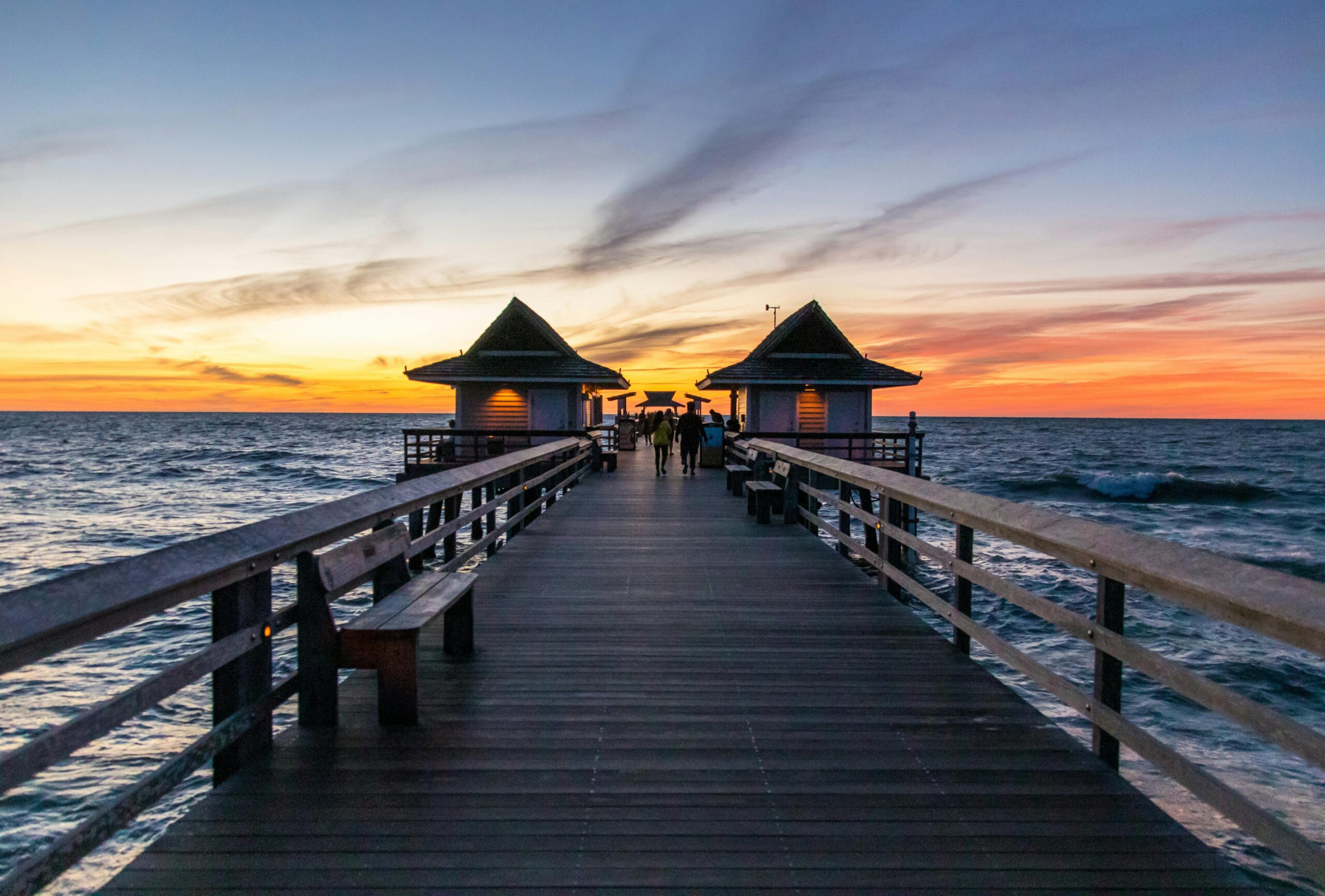
The Gulf Coast, stretching from Florida to Texas along the Gulf of Mexico, is one of North America's most diverse and dynamic coastal regions. This area is rich in natural wonders, cultural heritage, and economic significance. Here are 18 fascinating facts about this remarkable coastline.

1. Extensive Shoreline

The Gulf Coast spans approximately 1,631 miles across five U.S. states: Florida, Alabama, Mississippi, Louisiana, and Texas. This extensive shoreline creates one of the nation's largest coastal ecosystems.

2. Unique Water Chemistry

The Gulf of Mexico's waters have a higher salt content than the Atlantic Ocean, creating unique conditions for marine life. This distinctive chemistry supports over 15,000 different species.

3. World's Largest Dead Zone

The Gulf Coast contains one of the world's largest hypoxic zones (areas with low oxygen levels), sometimes reaching the size of New Jersey. This phenomenon occurs due to nutrient pollution from the Mississippi River.

4. Economic Powerhouse

The region produces about 44% of U.S. crude oil, 43% of natural gas, and 51% of national fisheries catch, making it crucial to the American economy.

5. Hurricane Hotspot

The Gulf Coast experiences an average of three tropical storms or hurricanes annually, making it one of North America's most hurricane-prone regions.

6. Barrier Islands

The coast features numerous barrier islands, including the longest barrier island in the world - Padre Island in Texas, stretching 113 miles.

7. Wetland Wealth

Louisiana's coastal wetlands account for 40% of all U.S. wetlands, playing a crucial role in wildlife habitat and storm protection.

8. Deep-Sea Features

The Gulf contains underwater canyons, salt domes, and the Sigsbee Deep, which reaches depths of over 14,000 feet.

9. Cultural Melting Pot

The region boasts a unique blend of French, Spanish, African, and Caribbean influences, creating distinctive cultural traditions and cuisines.

10. Marine Biodiversity

The Gulf Coast hosts 60 different species of sharks, five species of sea turtles, and numerous marine mammals, including the endangered West Indian manatee.

11. Artificial Reefs

The Gulf Coast contains the largest artificial reef program in the United States, with over 1,000 permitted reefs supporting marine life and fishing.

12. Port Industry

The region includes seven of the top ten busiest ports in the United States, handling nearly half of the nation's waterborne commerce.

13. Seafood Production

The Gulf produces roughly 70% of the nation's oysters and is responsible for about 40% of all seafood caught in the continental United States.

14. Unique Ecosystems

The coast features rare coastal dune lakes, found only in a few places globally, primarily in Walton County, Florida.

15. Historical Significance

The region contains numerous historical sites, including the oldest European settlement in the continental U.S. - St. Augustine, Florida (founded 1565).

16. Loop Current

A powerful ocean current system called the Loop Current influences regional weather patterns and marine life migration, connecting the Caribbean Sea to the Atlantic Ocean.

17. Sediment Deposits

The Mississippi River deposits about 500 million tons of sediment annually into the Gulf, continuously reshaping the coastline and creating new land.

18. Tourism Impact

Gulf Coast tourism generates over $45 billion annually, supporting millions of jobs and serving as a crucial economic driver for coastal communities.

Conclusion

The Gulf Coast is a region of remarkable diversity, combining natural wonders with economic importance. From its rich marine biodiversity and unique geological features to its cultural heritage and economic significance, these 18 facts demonstrate why the Gulf Coast is one of North America's most fascinating coastal regions. Understanding these aspects is crucial for appreciating the area's value and the importance of its preservation for future generations.

The region faces ongoing challenges from natural disasters, environmental concerns, and human impact, making it essential to balance economic development with environmental conservation. The Gulf Coast's unique characteristics continue to make it a subject of scientific study, economic interest, and natural wonder.

World Geography Trivia Quiz: 15 Facts About Lakes

World Geography Trivia Quiz: 15 Facts About Lakes

⏱️ 6 min read

Lakes have fascinated humanity for millennia, serving as sources of fresh water, transportation routes, and centers of biodiversity. These bodies of water, whether formed by glacial activity, tectonic shifts, or volcanic eruptions, hold remarkable secrets and characteristics that often surprise even seasoned geographers. From the deepest trenches beneath freshwater surfaces to the saltiest waters on Earth, lakes represent some of our planet's most extraordinary natural features.

Fascinating Facts About the World's Most Remarkable Lakes

1. The Caspian Sea: The World's Largest Lake

Despite its name, the Caspian Sea is actually the world's largest lake by surface area, covering approximately 371,000 square kilometers. Located between Europe and Asia, this massive body of water borders five countries: Russia, Kazakhstan, Turkmenistan, Iran, and Azerbaijan. Its classification as a lake rather than a sea stems from its lack of connection to the world's oceans, though it does contain saltwater due to its geological history as part of an ancient ocean millions of years ago.

2. Lake Baikal's Record-Breaking Depth

Lake Baikal in Siberia, Russia, holds the distinction of being the world's deepest lake, reaching depths of 1,642 meters at its deepest point. Beyond its impressive depth, Baikal contains roughly 20% of the world's unfrozen fresh water—more than all of North America's Great Lakes combined. The lake is also ancient, estimated to be between 25 and 30 million years old, making it the oldest lake on Earth.

3. The Dead Sea's Extreme Salinity

The Dead Sea, bordered by Jordan, Israel, and Palestine, is famous for its extreme salinity levels of approximately 34%, nearly ten times saltier than ocean water. This hypersaline environment makes it nearly impossible for most aquatic organisms to survive, hence its name. The high salt concentration also creates the remarkable phenomenon of natural buoyancy, allowing people to float effortlessly on its surface.

4. Lake Superior's Massive Volume

Lake Superior, the largest of North America's Great Lakes, contains more water by volume than all the other Great Lakes combined. With a surface area of 82,100 square kilometers, it holds approximately 12,100 cubic kilometers of water. If this water were poured over the entire landmass of North and South America, it would create a layer about 30 centimeters deep.

5. Lake Titicaca's High-Altitude Location

Straddling the border between Peru and Bolivia, Lake Titicaca sits at an elevation of 3,812 meters above sea level, making it the world's highest navigable lake for large vessels. The indigenous cultures surrounding this lake have thrived for thousands of years, developing unique floating islands made from totora reeds that still exist today. The lake's high altitude creates unique atmospheric conditions and supports distinctive wildlife adapted to low oxygen levels.

6. The Great Lakes' Collective Power

The five Great Lakes of North America—Superior, Michigan, Huron, Erie, and Ontario—collectively contain 21% of the world's surface fresh water. These interconnected lakes form the largest group of freshwater lakes on Earth by total area, covering approximately 244,000 square kilometers. Their drainage basin supports more than 30 million people in the United States and Canada.

7. Lake Tanganyika's Ancient Origins

Lake Tanganyika in East Africa is the world's second-deepest lake and second-oldest lake, estimated to be 9-13 million years old. Its great depth of 1,470 meters and age have allowed unique evolutionary processes to occur, resulting in an extraordinary level of endemism. Approximately 98% of the lake's cichlid fish species and 75% of all its fish species are found nowhere else on Earth.

8. The Shrinking Aral Sea Tragedy

Once the world's fourth-largest lake, the Aral Sea in Central Asia has lost more than 90% of its volume since the 1960s due to Soviet irrigation projects. This environmental catastrophe has exposed the former lakebed, creating toxic dust storms and devastating local fishing communities. The shrinking of the Aral Sea stands as one of the planet's worst human-caused environmental disasters.

9. Lake Victoria's Basin Population

Lake Victoria, Africa's largest lake by area, supports a basin population of approximately 40 million people across Tanzania, Uganda, and Kenya. As the primary source of the White Nile, it plays a crucial role in the hydrology of northeastern Africa. The lake underwent dramatic ecological changes in the 20th century, including the controversial introduction of Nile perch, which significantly altered its ecosystem.

10. Lake Vostok's Subglacial Mystery

Lake Vostok lies beneath approximately 4 kilometers of Antarctic ice, making it one of the largest subglacial lakes on Earth. Isolated from Earth's atmosphere for potentially 15 million years, this lake presents a unique environment that may harbor ancient microbial life forms. Scientists only confirmed its existence in the 1990s using radar and satellite data.

11. Crater Lake's Remarkable Clarity

Crater Lake in Oregon, formed in the caldera of an ancient volcano, is renowned for having some of the clearest water in the world. With visibility often extending to depths of 43 meters, the lake's exceptional clarity results from its isolation from incoming streams and rivers, meaning no sediment enters the water. At 594 meters deep, it's also the deepest lake in the United States.

12. Lake Malawi's Biodiversity Hotspot

Lake Malawi in southeastern Africa contains more fish species than any other lake on Earth, with estimates ranging from 500 to 1,000 species. Most of these are cichlids, and approximately 90% of the lake's fish species are endemic. This extraordinary biodiversity has made Lake Malawi a UNESCO World Heritage Site and a natural laboratory for studying evolution.

13. The Caspian Sea's Depth Variations

The Caspian Sea features dramatic depth variations, with the northern section averaging just 5-6 meters deep while the southern section plunges to over 1,000 meters. This massive depth difference creates distinct ecological zones within the lake. The Caspian also experiences sea-level fluctuations of 2-3 meters over decades, influenced by climate patterns and river inflow.

14. Lake Michigan's Unique Position

Lake Michigan holds the distinction of being the only one of the Great Lakes located entirely within the United States, with all other Great Lakes straddling the US-Canada border. The lake connects to Lake Huron through the Straits of Mackinac, and technically, hydrologists consider Michigan and Huron as one lake since they share the same water level.

15. Lake Maracaibo's Lightning Phenomenon

Lake Maracaibo in Venezuela experiences an extraordinary meteorological phenomenon known as the "Catatumbo lightning," where lightning occurs up to 260 nights per year for approximately 10 hours each night. This region has the highest concentration of lightning strikes on Earth, with atmospheric conditions created by the lake's position and surrounding mountains generating this spectacular natural light show.

Conclusion

These remarkable facts illustrate the incredible diversity and importance of lakes across our planet. From record-breaking depths and volumes to unique ecosystems and dramatic environmental changes, lakes represent critical components of Earth's geography and ecology. They provide essential resources for billions of people, support extraordinary biodiversity, and continue to reveal scientific mysteries. Understanding these magnificent bodies of water helps us appreciate the complexity of our planet's natural systems and underscores the importance of protecting these invaluable freshwater resources for future generations.