










What architectural feature in old buildings can create standing sound waves that produce feelings of…

1 / 10 Questions
0 Points

What architectural feature in old buildings can create standing sound waves that produce feelings of dread?

Long corridors

Spiral staircases

Vaulted ceilings

Hidden passages

Points won
0
Correct score
0%

More Questions

More Articles

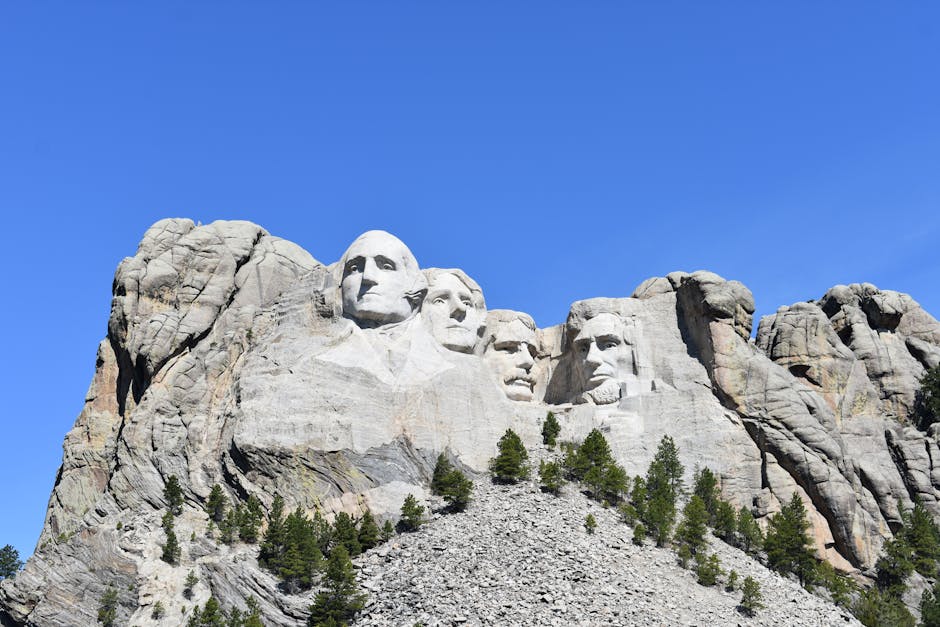
Did You Know These 20 Trivia Tidbits About US Presidents?

Did You Know These 20 Trivia Tidbits About US Presidents?

⏱️ 6 min read

The presidency of the United States has been held by some of the most fascinating individuals in American history. Beyond their political achievements and policy decisions, these leaders have lived remarkable lives filled with surprising facts, quirky habits, and unexpected accomplishments. From athletic prowess to unusual pets, these lesser-known details offer a glimpse into the human side of America's commanders-in-chief.

Fascinating Facts About America's Commanders-in-Chief

1. Thomas Jefferson's Architectural Genius

Thomas Jefferson wasn't just a founding father and president—he was also a self-taught architect who designed his own home, Monticello, as well as the University of Virginia campus. His architectural designs incorporated innovative features like revolving serving doors and a seven-day clock, showcasing his inventive mind beyond politics.

2. Abraham Lincoln's Wrestling Championship

Before becoming the Great Emancipator, Abraham Lincoln was an accomplished wrestler. The 6'4" president had only one recorded loss in approximately 300 matches and was inducted into the National Wrestling Hall of Fame. His strength and athletic ability earned him a reputation throughout Illinois.

3. John Quincy Adams' Morning Swimming Ritual

John Quincy Adams maintained a daily routine of swimming naked in the Potomac River at 5 a.m., regardless of the season. Legend has it that journalist Anne Royall once sat on his clothes on the riverbank until he agreed to give her an interview, making her possibly the first female presidential interviewer.

4. Theodore Roosevelt's Blindness Secret

During a boxing match in the White House, Theodore Roosevelt was struck so hard that he became permanently blind in his left eye. He kept this injury secret from the public for years, never wanting to appear weak. He subsequently switched to jujitsu and continued his reputation as the most physically active president.

5. James Madison's Diminutive Stature

James Madison holds the distinction of being America's shortest president at just 5'4" tall and weighing around 100 pounds. Despite his small physical presence, he played an enormous role in American history as the "Father of the Constitution" and a key architect of the Bill of Rights.

6. Calvin Coolidge's Mechanical Horse Obsession

Calvin Coolidge, known for his reserved personality, had an unusual form of exercise—he regularly rode a mechanical horse in the White House. This odd contraption was one of his favorite ways to stay fit during his presidency in the 1920s.

7. George Washington's Teeth Truth

Contrary to popular belief, George Washington's dentures were not made of wood. His false teeth were constructed from materials including lead, human teeth, animal teeth, and ivory. By the time he became president, he had only one natural tooth remaining.

8. Harry Truman's Daily Walking Marathon

Harry Truman was famous for his brisk daily walks at a pace of 120 steps per minute, covering about two miles each morning. He believed this routine was essential to his health and decision-making ability. Reporters struggled to keep up with his rapid pace during these morning constitutionals.

9. William Howard Taft's Supreme Court Achievement

William Howard Taft is the only person to have served as both President and Chief Justice of the Supreme Court. Interestingly, he considered his time on the Supreme Court to be more fulfilling than his presidency, calling the chief justiceship his greatest honor.

10. John F. Kennedy's Pulitzer Prize Victory

John F. Kennedy won the Pulitzer Prize for Biography in 1957 for his book "Profiles in Courage," written while recovering from back surgery. He remains the only U.S. president to win this prestigious literary award, though questions have been raised about how much of the book was written by his speechwriter.

11. Lyndon B. Johnson's Amphicar Adventures

Lyndon B. Johnson owned an Amphicar, a vehicle that could drive on both land and water. He enjoyed pranking guests by driving them toward a lake while shouting about failed brakes, then surprising them as the car floated safely on the water.

12. Grover Cleveland's Secret Surgery

Grover Cleveland underwent secret cancer surgery aboard a yacht in 1893 to remove a tumor from his mouth. The operation was kept from the public to avoid panic during an economic crisis. The truth wasn't confirmed until 1917, nine years after his death.

13. Benjamin Harrison's White House Electricity Fear

Benjamin Harrison was the first president to have electricity in the White House, but he and his wife were so afraid of being electrocuted that they refused to touch the light switches. Staff members were tasked with turning the lights on and off, sometimes leaving them burning all night.

14. Jimmy Carter's UFO Sighting Report

Jimmy Carter officially reported seeing a UFO in 1969 while serving as Georgia's governor. He described a bright, color-changing object in the sky and promised during his presidential campaign to release all government information about UFOs, though he later declined to do so due to "defense implications."

15. Gerald Ford's Professional Modeling Career

Before entering politics, Gerald Ford worked as a professional fashion model. He appeared on the cover of Cosmopolitan magazine in 1942 and used his modeling income to help pay for law school at Yale University.

16. Ronald Reagan's Lifeguard Heroics

As a young man, Ronald Reagan worked as a lifeguard at Rock River in Illinois for seven summers, saving 77 people from drowning. He kept a notched log to mark each rescue, displaying an early commitment to public service long before his acting and political careers.

17. Woodrow Wilson's Sheep Lawn Mowers

During World War I, Woodrow Wilson kept a flock of sheep on the White House lawn to save manpower for the war effort. The sheep grazed the grass, and their wool was auctioned to raise money for the Red Cross, earning nearly $100,000.

18. Herbert Hoover's Multilingual Marriage

Herbert Hoover and his wife Lou were both fluent in Mandarin Chinese, which they learned while living in China during his mining engineering career. They would speak Chinese in the White House when they wanted to have private conversations away from staff and guests.

19. Franklin Pierce's Tragic Personal Life

Franklin Pierce witnessed his 11-year-old son die in a train accident just two months before his inauguration. This tragedy, combined with the earlier deaths of his other two children, deeply affected his presidency and contributed to his struggles with depression and alcohol.

20. Barack Obama's Comic Book Appearance

Barack Obama became the first sitting president to appear on a comic book cover when he was featured in a special edition of Spider-Man in 2009. The issue became a collector's item and reflected his significant pop culture impact during his presidency.

The Human Side of Presidential History

These twenty fascinating tidbits reveal that American presidents have been far more than their political legacies suggest. From athletic achievements and unusual hobbies to personal tragedies and quirky habits, these facts humanize the individuals who have held the nation's highest office. Whether swimming in the Potomac, wrestling in Illinois, or saving lives as a lifeguard, these leaders lived full and often surprising lives before, during, and after their time in the White House. Understanding these personal details helps create a more complete picture of the complex individuals who have shaped American history and reminds us that even the most powerful leaders are, ultimately, human.
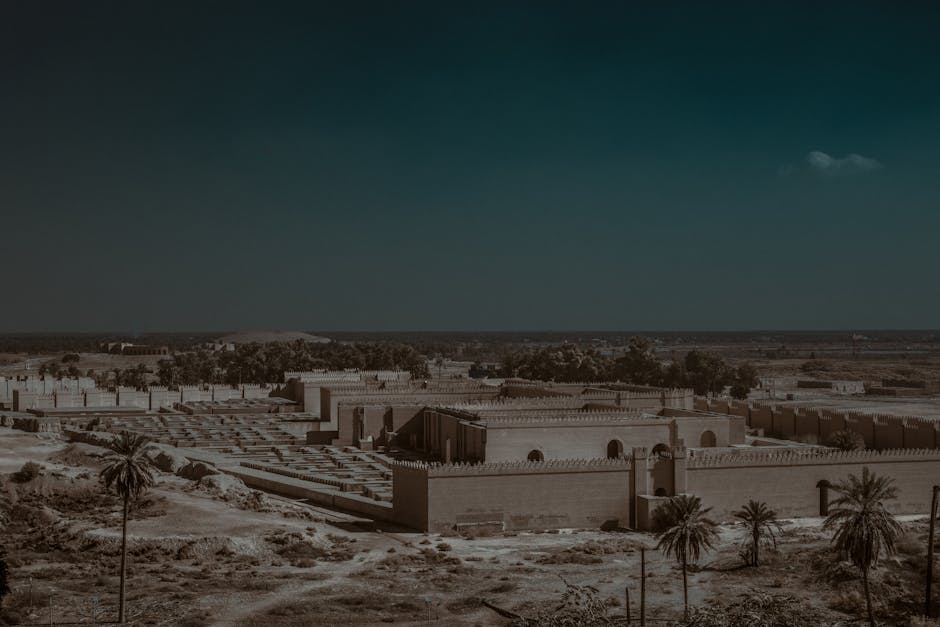
Did You Know? 12 Quirky Facts About Ancient Mesopotamia

Did You Know? 12 Quirky Facts About Ancient Mesopotamia

⏱️ 7 min read

Ancient Mesopotamia, often called the "cradle of civilization," was home to some of humanity's most remarkable innovations and cultural developments. Nestled between the Tigris and Euphrates rivers in what is now modern-day Iraq, this ancient land gave birth to writing, law codes, and complex urban societies. Beyond these well-known achievements, however, lie numerous fascinating and unusual aspects of Mesopotamian life that reveal just how sophisticated—and sometimes surprising—this ancient civilization truly was.

Remarkable Discoveries from the Land Between Two Rivers

1. The World's First Documented Beer Recipe

The ancient Mesopotamians didn't just enjoy beer—they were among the first to brew it systematically. The "Hymn to Ninkasi," a Sumerian poem from around 1800 BCE, doubles as the oldest known beer recipe in existence. Ninkasi was the goddess of beer, and this hymn provided step-by-step instructions for brewing, disguised as religious verse. Beer was so important to Mesopotamian society that workers were often paid in beer rations, with different social classes receiving different quantities and qualities. The beverage was thick, nutritious, and consumed through straws to avoid the bitter sediment that settled at the bottom.

2. Ancient Dentistry and Tooth Worm Theory

Mesopotamians practiced surprisingly advanced dentistry, though their understanding of dental problems was quite different from modern medicine. They believed that tooth decay was caused by "tooth worms" that bored holes into teeth. Despite this misconception, Sumerian texts describe various treatments for dental ailments, including mixtures of herbs and minerals. Archaeological evidence shows that some Mesopotamians had gold fillings, and texts describe procedures for extracting painful teeth, making them pioneers in dental care despite their fantastical explanations for cavities.

3. The Invention of the 60-Second Minute

The Mesopotamians developed a sophisticated mathematical system based on the number 60, called sexagesimal, which continues to influence our daily lives. This is why we have 60 seconds in a minute, 60 minutes in an hour, and 360 degrees in a circle. The Babylonians chose base-60 because it has many divisors (1, 2, 3, 4, 5, 6, 10, 12, 15, 20, 30, and 60), making complex calculations easier. This mathematical innovation, developed over 4,000 years ago, remains embedded in how we measure time and angles today.

4. Professional Mourners for Hire

Ancient Mesopotamian funeral customs included hiring professional mourners to ensure an appropriately dramatic send-off for the deceased. These trained individuals would wail, tear their clothes, and beat their chests at funerals for payment. The practice wasn't considered disingenuous; rather, it was thought that louder, more emotional displays helped the deceased transition to the afterlife and demonstrated the family's wealth and the dead person's importance. Women typically filled these roles, and their performances were considered a legitimate and respected profession.

5. Ancient Mesopotamian Toilets and Plumbing

Contrary to popular assumptions about ancient sanitation, wealthy Mesopotamians enjoyed surprisingly sophisticated bathroom facilities. Archaeological excavations have uncovered homes with dedicated toilet rooms featuring seats positioned over cesspits. Some houses even had rudimentary plumbing systems with clay pipes that carried waste away from living areas. The city of Ur, dating to around 2000 BCE, had homes with multiple toilets, and some public buildings featured communal latrines, demonstrating an advanced understanding of hygiene for the time period.

6. The Original Knock-Knock Jokes

The world's oldest recorded jokes come from ancient Mesopotamia, though their humor might seem strange by modern standards. A Sumerian proverb from around 1900 BCE reads: "Something which has never occurred since time immemorial; a young woman did not fart in her husband's lap." While scatological humor clearly isn't new, these ancient jokes reveal that Mesopotamians enjoyed wordplay, irony, and absurdist humor remarkably similar to modern comedic sensibilities, proving that the human desire to laugh transcends millennia.

7. Cylinder Seals as Ancient Signatures

Mesopotamians invented cylinder seals—small carved stones that, when rolled across wet clay, created unique identifying marks. These functioned as personal signatures and were used to seal documents, mark property, and authenticate transactions. Each seal was intricately carved with images and symbols unique to its owner, making forgery extremely difficult. These seals were so valued that people wore them as jewelry, and they provide modern archaeologists with invaluable information about trade, administration, and artistic styles across different periods and regions.

8. Divorce Rights for Women in Ancient Babylon

The Code of Hammurabi, dating to around 1750 BCE, granted surprisingly progressive divorce rights to women under certain circumstances. If a woman could prove her husband was abusive or neglectful, she could divorce him and return to her father's house with her dowry intact. While the system wasn't entirely equal—men had broader grounds for divorce—the fact that women had legal recourse at all was remarkable for ancient times. These laws were carved in stone and publicly displayed, ensuring everyone knew their rights and obligations.

9. The Epic Mesopotamian Postal System

Ancient Mesopotamia developed one of history's first postal systems, with relay stations positioned along major routes where messengers could rest and exchange horses or donkeys. Clay tablets served as letters, sealed in clay envelopes that could only be opened by breaking them—ensuring privacy. These tablets documented everything from royal correspondence to business transactions and personal messages. The system was so efficient that messages could travel hundreds of miles within days, facilitating the administration of vast empires.

10. Medical Texts and Surgical Procedures

Mesopotamian physicians compiled extensive medical texts describing symptoms, diagnoses, and treatments for various ailments. They performed surgeries, including cataract removal and basic battlefield medicine. However, they combined practical medicine with magical incantations, believing illness had both physical and supernatural causes. The Code of Hammurabi even regulated medical practice, setting fees for successful treatments and punishments for failed procedures—if a surgeon caused a patient's death during an operation, they could lose their hand.

11. Ancient Mesopotamian Board Games

The Royal Game of Ur, dating to approximately 2600 BCE, is one of humanity's oldest known board games, with rules partially preserved on a Babylonian clay tablet. Archaeological evidence shows this game was played across all social classes for over 3,000 years. The game involved racing pieces around a track based on dice rolls, combining luck and strategy. Game boards have been found in royal tombs and humble homes alike, suggesting that Mesopotamians from all walks of life enjoyed recreational gaming.

12. The Mesopotamian Literary Legacy

The Epic of Gilgamesh, written in cuneiform around 2100 BCE, is among humanity's oldest surviving works of literature. This epic poem tells the story of a king's quest for immortality and contains a flood narrative that predates the biblical account by centuries. The work explores timeless themes of friendship, mortality, and the human condition with remarkable sophistication. Its existence proves that ancient Mesopotamians weren't just concerned with survival—they pondered philosophical questions and created art that still resonates today.

The Lasting Impact of Ancient Innovation

These twelve fascinating aspects of Mesopotamian civilization reveal a culture far more complex and advanced than commonly imagined. From their mathematical innovations that still govern our timekeeping to their surprisingly progressive legal codes, from their love of beer and board games to their sophisticated urban infrastructure, the people of ancient Mesopotamia laid foundations for countless aspects of modern life. Their achievements in writing, law, medicine, entertainment, and social organization demonstrate that human ingenuity, creativity, and the desire for progress are truly timeless. Understanding these quirky yet significant details helps us appreciate not just the accomplishments of this ancient civilization, but also the continuous thread of human innovation connecting their world to ours.