


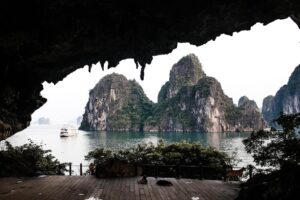


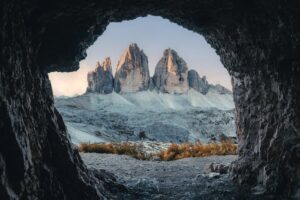











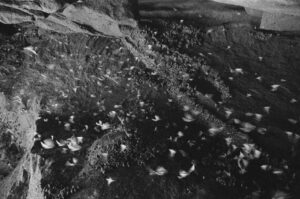

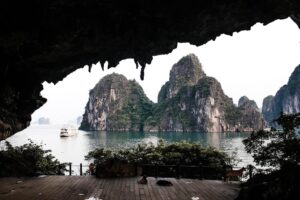


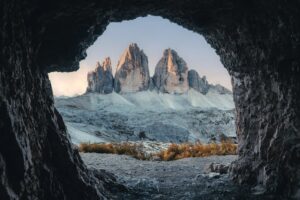













What animal is most commonly associated with caves?

1 / 40 Questions
0 Points

What animal is most commonly associated with caves?

Owls

Bats

Snakes

Spiders

Points won
0
Correct score
0%

More Questions

More Articles

Top 10 Must-Know Facts About American Fashion Designers

Top 10 Must-Know Facts About American Fashion Designers

⏱️ 4 min read

Top 10 Must-Know Facts About American Fashion Designers

American fashion designers have played a pivotal role in shaping global fashion trends and establishing the United States as a major force in the fashion industry. From revolutionizing ready-to-wear clothing to creating iconic luxury brands, these creative visionaries have left an indelible mark on fashion history. Here are ten essential facts about American fashion designers that showcase their influence and innovation.

1. Ralph Lauren's Humble Beginnings

Ralph Lauren, born Ralph Lifshitz, started his empire by selling ties from a drawer in the Empire State Building. Beginning with a $50,000 loan, he transformed his small tie business into a global lifestyle brand worth billions. His interpretation of American preppy style and western wear has become synonymous with American luxury fashion, making him one of the industry's most successful self-made designers.

2. Calvin Klein's Marketing Revolution

Calvin Klein revolutionized fashion marketing in the 1980s with controversial advertising campaigns that changed how fashion brands communicate with consumers. His provocative jean and underwear advertisements featuring Mark Wahlberg and Kate Moss created a new paradigm for fashion marketing, combining sexuality with minimalist design aesthetics.

3. Donna Karan's Seven Easy Pieces

In 1985, Donna Karan introduced the concept of "Seven Easy Pieces," which revolutionized working women's wardrobes. Her innovation allowed women to build a complete wardrobe from interchangeable pieces, including the bodysuit, tailored jacket, and wrap skirt. This approach to fashion design emphasized practicality without sacrificing style, changing how professional women dressed.

4. Marc Jacobs' Grunge Collection

Marc Jacobs made fashion history in 1992 with his groundbreaking grunge collection for Perry Ellis, which got him fired but also established him as a revolutionary designer. The collection challenged luxury fashion conventions by elevating street style to high fashion, influencing designers for decades to come and cementing his position as a cultural innovator.

5. Tom Ford's Multi-Industry Impact

Tom Ford has uniquely succeeded across multiple creative industries. Beyond fashion design, he's made significant impacts in film directing and cosmetics. His transformation of Gucci in the 1990s, though not an American brand, demonstrated American design innovation on a global scale, and his subsequent creation of his own luxury brand showcases American entrepreneurial spirit.

6. Michael Kors' Accessible Luxury

Michael Kors pioneered the "accessible luxury" market segment, creating a bridge between high-end luxury and middle-market fashion. His success on "Project Runway" as a judge helped democratize fashion design and made him a household name, while his business model has been widely emulated by other designers and brands.

7. Vera Wang's Bridal Revolution

Originally a figure skater and Vogue editor, Vera Wang transformed the bridal industry by introducing high fashion elements to wedding dress design. Her innovative approach to bridal wear, starting from her own wedding dress frustrations, created a new standard for wedding fashion and established the United States as a leader in bridal design.

8. Oscar de la Renta's Political Influence

Oscar de la Renta became known as the designer of First Ladies, dressing everyone from Jackie Kennedy to Michelle Obama. His work transcended fashion to become part of American political history, demonstrating how fashion intersects with power and diplomacy. His designs helped shape the image of American political figures on the world stage.

9. Tommy Hilfiger's Brand Building

Tommy Hilfiger revolutionized fashion branding by being one of the first designers to embrace hip-hop culture and celebrity collaborations. His marketing strategies in the 1990s, including partnerships with musicians and athletes, created a blueprint for modern fashion marketing and demonstrated the power of cultural integration in fashion.

10. Anna Sui's Independent Success

Anna Sui stands out as one of the few completely independent American designers who has maintained creative control over her brand for decades. Her success demonstrates how American designers can succeed without corporate backing, and her celebration of vintage and rock-and-roll aesthetics has influenced countless designers.

Conclusion

These ten facts about American fashion designers highlight the innovation, entrepreneurship, and cultural impact that have defined the U.S. fashion industry. From revolutionizing marketing approaches to creating new market segments and influencing global trends, American designers have consistently pushed boundaries while building billion-dollar brands. Their contributions continue to shape the fashion industry, demonstrating the enduring influence of American creativity and business acumen in global fashion.
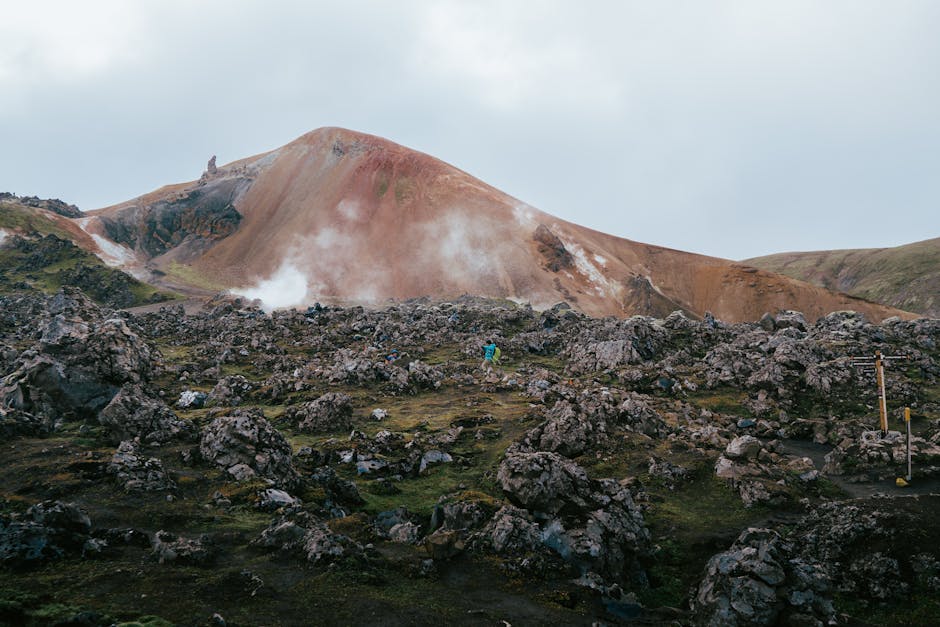
Top 10 Natural Landmarks You Need to Explore

Top 10 Natural Landmarks You Need to Explore

⏱️ 4 min read

Top 10 Natural Landmarks You Need to Explore

Nature has blessed our planet with extraordinary landmarks that showcase Earth's raw beauty and geological magnificence. From towering mountains to deep canyons, these natural wonders attract millions of visitors annually. Here are ten remarkable natural landmarks that deserve a spot on every explorer's bucket list.

1. Grand Canyon, United States

Carved by the Colorado River over millions of years, the Grand Canyon stands as one of Earth's most impressive geological features. Stretching 277 miles long, up to 18 miles wide, and over a mile deep, this natural wonder showcases billions of years of rock layers and geological history. The canyon's striking red and orange hues, combined with its massive scale, create an unforgettable sight that draws over 6 million visitors annually.

2. Great Barrier Reef, Australia

As the world's largest coral reef system, the Great Barrier Reef spans over 1,500 miles along Australia's eastern coast. This living structure comprises over 2,900 individual reefs and 900 islands, hosting an incredible diversity of marine life. The reef system is home to more than 1,500 species of tropical fish, 400 types of hard coral, one-third of the world's soft corals, and 134 species of sharks and rays.

3. Mount Everest, Nepal/Tibet

Standing at 29,029 feet (8,848 meters), Mount Everest is Earth's highest peak above sea level. Part of the Himalayan mountain range, this majestic mountain has captured human imagination for centuries. While reaching its summit remains an ultimate achievement for mountaineers, even viewing Everest from base camp offers an awe-inspiring experience of nature's grandeur.

4. Victoria Falls, Zambia/Zimbabwe

Known locally as Mosi-oa-Tunya ("The Smoke that Thunders"), Victoria Falls is the world's largest waterfall by combined height and width. The falls drop 355 feet as the Zambezi River plunges into a narrow gorge, creating a spectacular display of rushing water and mist visible from miles away. During peak flow, over 500 million liters of water cascade over the falls every minute.

5. Northern Lights (Aurora Borealis), Arctic Circle

This natural light display in Earth's sky predominantly occurs in high-latitude regions. The Northern Lights create spectacular shows of dancing lights in various colors, primarily green and pink. Best viewed from locations like Iceland, Norway, and Alaska, this phenomenon results from collisions between electrically charged particles from the sun entering Earth's atmosphere.

6. Salar de Uyuni, Bolivia

The world's largest salt flat, spanning over 4,086 square miles, Salar de Uyuni creates a surreal landscape of white salt crust stretching to the horizon. During rainy season, a thin layer of water transforms the salt flat into the world's largest natural mirror, reflecting the sky in a breathtaking display. The area also contains half of the world's lithium reserves.

7. Ha Long Bay, Vietnam

This UNESCO World Heritage site features thousands of limestone karsts and isles rising dramatically from emerald waters. Formed over millions of years of geological activity, Ha Long Bay's approximately 1,600 islands and islets create a mystical seascape. Many of these limestone formations contain caves and grottoes, adding another layer of natural wonder to explore.

8. Santorini Caldera, Greece

Created by one of history's largest volcanic eruptions around 1600 BCE, the Santorini Caldera is a prime example of nature's destructive yet creative force. The circular water-filled caldera spans roughly 12 by 7 kilometers, with walls rising 300 meters above the water. The dramatic cliffs and volcanic islands provide insight into Earth's geological processes while offering stunning views.

9. Sahara Desert, North Africa

As the world's largest hot desert, the Sahara covers an area of approximately 3.6 million square miles. This vast landscape features ever-changing sand dunes, some reaching heights of over 500 feet. Despite its harsh conditions, the Sahara showcases unique geological formations, ancient lake beds, and rare desert ecosystems that have adapted to extreme conditions.

10. Paricutin Volcano, Mexico

One of the youngest volcanoes on Earth, Paricutin emerged suddenly from a cornfield in 1943 and continued to grow for nine years. This cinder cone volcano provides a unique opportunity to study volcanic formation and growth, as it's the first volcano whose complete life cycle has been documented from birth. The surrounding landscape, including partially buried churches, serves as a testament to nature's raw power.

Conclusion

These ten natural landmarks represent some of Earth's most spectacular geological and natural phenomena. Each site offers unique insights into our planet's processes and history while providing unforgettable experiences for visitors. From the depths of the ocean to the highest mountain peaks, these landmarks remind us of nature's incredible diversity and power. Their preservation remains crucial for future generations to witness and appreciate Earth's natural wonders.