










U.S. Festivals Celebrating the Weirdest Regional Foods You’ve Never Tasted

1 / 10 Questions
0 Points

What Mississippi town hosts the annual World Catfish Festival, celebrating the state's top aquaculture product?

Clarksdale

Natchez

Tupelo

Belzoni

Points won
0
Correct score
0%

More Questions

More Articles

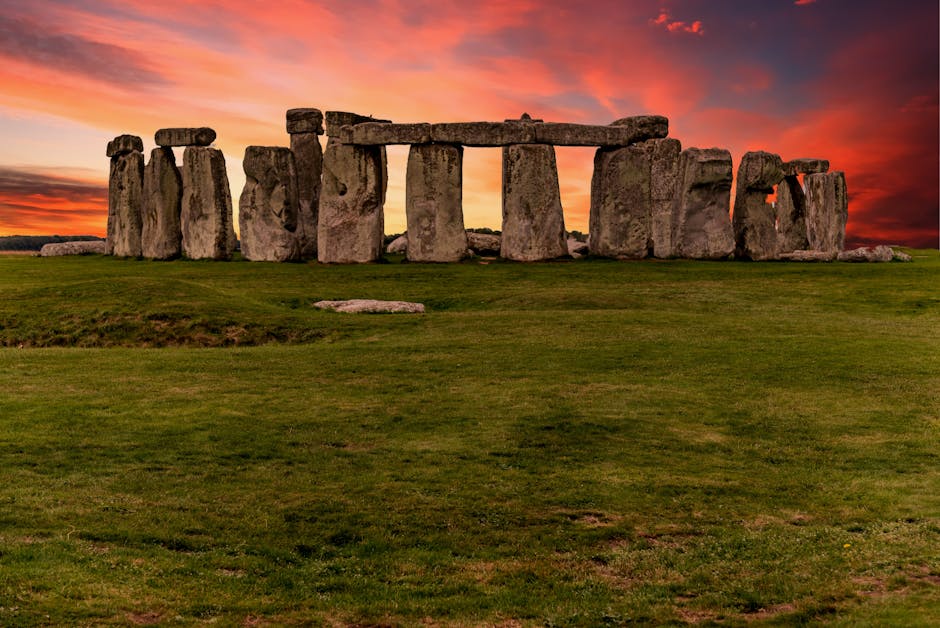
Did You Know? 15 Surprising Facts About Stonehenge

Did You Know? 15 Surprising Facts About Stonehenge

⏱️ 6 min read

Standing majestically on Salisbury Plain in Wiltshire, England, Stonehenge has captivated humanity for millennia. This prehistoric monument continues to reveal astonishing secrets that challenge our understanding of ancient civilizations. From its astronomical precision to its surprising origins, here are fifteen remarkable facts about one of the world's most enigmatic landmarks that will transform how you view this ancient wonder.

The Monument's Ancient Origins and Construction

1. Stonehenge Is Much Older Than the Pyramids

Contrary to popular belief, Stonehenge predates Egypt's Great Pyramid of Giza by approximately 1,000 years. The monument's construction began around 3000 BCE, with the stone circle erected around 2500 BCE, making it over 5,000 years old. This incredible age places Stonehenge among the oldest engineered structures on Earth, constructed when much of humanity still relied on primitive tools and techniques.

2. The Stones Traveled Nearly 200 Miles

The smaller bluestones, weighing up to four tons each, were transported approximately 180 miles from the Preseli Hills in Wales to their current location. This extraordinary feat of prehistoric engineering likely involved rolling the stones on logs, floating them on rafts along waterways, and coordinating hundreds of workers. Recent research suggests some stones may have been moved by glaciers, though the debate continues among archaeologists.

3. The Sarsen Stones Weigh as Much as Four Elephants

The massive sarsen stones forming the outer circle and trilithons weigh an average of 25 tons each, with the largest weighing approximately 30 tons. These colossal megaliths were sourced from Marlborough Downs, about 20 miles north of the site. Moving these behemoths without modern machinery represents one of the greatest achievements of Neolithic engineering.

Astronomical and Mathematical Precision

4. Stonehenge Functions as a Prehistoric Calendar

The monument demonstrates sophisticated astronomical knowledge, aligning precisely with the summer and winter solstices. The heel stone marks the midsummer sunrise, while the main entrance faces the midwinter sunset. This celestial alignment suggests Stonehenge served as an elaborate timekeeping device, helping ancient peoples track seasons crucial for agricultural cycles.

5. The Monument Tracks Lunar Cycles With Remarkable Accuracy

Beyond solar alignment, Stonehenge tracks the moon's 18.6-year cycle through specific stone positions. The station stones form a rectangle that marks extreme positions of moonrise and moonset, demonstrating that its builders possessed advanced understanding of celestial mechanics that wouldn't be formally documented for thousands of years.

Surprising Archaeological Discoveries

6. Stonehenge Was Once a Complete Circle

Modern analysis reveals that Stonehenge originally consisted of a complete circle of 30 upright sarsen stones topped by 30 horizontal lintel stones. Today, only 17 uprights remain standing, with numerous stones having fallen or been removed over millennia. Archaeological evidence and computer modeling have reconstructed its original magnificent appearance.

7. The Site Contains Cremated Remains of at Least 150 People

Excavations have uncovered cremated human remains dating from 3000 to 2300 BCE, making Stonehenge the largest Late Neolithic cemetery in Britain. These burials suggest the site served important ceremonial and religious functions, possibly as a domain reserved for elite families or a pilgrimage destination for healing rituals.

8. Stonehenge Had Neighbors: A Vast Sacred Landscape

Stonehenge wasn't isolated but part of an extensive ceremonial landscape including Durrington Walls, Woodhenge, and the Avenue processional pathway. Recent discoveries using ground-penetrating radar revealed a massive monument of 90 standing stones near Durrington Walls, transforming our understanding of the area as a complex ritual center rather than a single monument.

Construction Mysteries and Techniques

9. Ancient Builders Used Tongue-and-Groove Carpentry in Stone

The horizontal lintel stones feature sophisticated mortise and tenon joints, woodworking techniques adapted for stone construction. Each lintel has curved undersides to fit the circular arrangement and protruding tenons that fit into carved mortises atop the uprights. This reveals remarkable craftsmanship and planning in an era presumed to lack such refinement.

10. Acoustic Properties May Have Been Intentional

Research suggests Stonehenge's bluestones possess unique acoustic properties that amplify sound. When struck, these stones produce bell-like tones, and the circular structure may have created reverberations that enhanced ceremonial chanting or music. This acoustic engineering could explain why specific stones were transported such extraordinary distances.

Modern Revelations and Ongoing Research

11. The Monument Changes Color Throughout the Year

The lichen-covered sarsen stones appear grey in photographs, but they exhibit subtle color shifts depending on weather and light conditions. When wet, they display pink and orange hues from their underlying sandstone composition. Ancient peoples would have experienced a monument that seemed alive with changing appearances throughout seasons and celebrations.

12. Stonehenge Attracts Over One Million Visitors Annually

Despite its remote location on Salisbury Plain, Stonehenge receives approximately 1.6 million visitors each year, making it one of Britain's most popular tourist attractions. This modern pilgrimage mirrors ancient visitation patterns, as archaeological evidence suggests people traveled from across Britain and continental Europe to participate in ceremonies at the site.

13. Medieval Legends Attributed Its Construction to Merlin

Geoffrey of Monmouth's 12th-century writings claimed the wizard Merlin magically transported the stones from Ireland at King Arthur's request. These fantastical explanations persisted for centuries because the monument's construction seemed impossible without supernatural intervention, demonstrating how Stonehenge has sparked imagination across millennia.

14. The Site Was Bought at Auction for £6,600 in 1915

Cecil Chubb purchased Stonehenge at auction, reportedly as a spontaneous gift for his wife. Three years later, he donated it to the British nation. Prior to this, the monument had been privately owned for centuries, with owners sometimes chipping off pieces as souvenirs or charging admission fees to curious Victorian tourists.

15. DNA Evidence Reveals the Builders' Origins

Recent analysis of Neolithic remains found near Stonehenge shows that at least some builders came from Wales, the origin point of the bluestones. This genetic evidence suggests communities traveled with their sacred stones, indicating Stonehenge's construction was a unifying project bringing together distant populations in a shared monumental endeavor.

Conclusion

These fifteen surprising facts illuminate Stonehenge as far more than a simple stone circle. This architectural marvel represents humanity's earliest engineering triumphs, astronomical understanding, and spiritual aspirations. From its precise celestial alignments to its acoustic properties, from its role as a cemetery to its construction by coordinated communities across ancient Britain, Stonehenge continues revealing secrets that challenge assumptions about prehistoric capabilities. Each discovery reinforces that our ancestors possessed sophisticated knowledge, remarkable determination, and profound connections to landscape and cosmos that resonate across 5,000 years. As modern technology unveils new mysteries, Stonehenge remains an enduring testament to human ingenuity and the timeless quest to create monuments that transcend generations.
18 Fascinating Facts About Acadia National Park

18 Fascinating Facts About Acadia National Park

⏱️ 7 min read

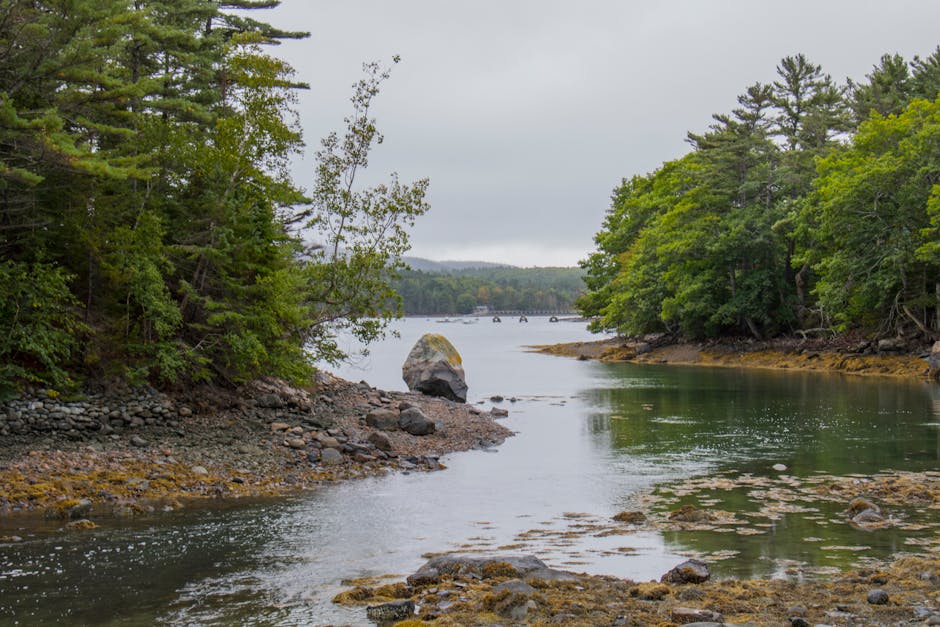
Nestled along the rugged coastline of Maine, Acadia National Park stands as one of America's most cherished natural treasures. This remarkable landscape offers a unique blend of mountains, ocean shores, forests, and lakes that attracts millions of visitors annually. From its geological wonders to its rich cultural history, this iconic park holds countless stories waiting to be discovered. Here are eighteen captivating facts that reveal the depth and wonder of this extraordinary destination.

Natural Wonders and Geographic Marvels

1. The First Place to See Sunrise in America

Cadillac Mountain, standing at 1,530 feet, holds the distinction of being the tallest mountain on the U.S. Atlantic coast. From October through early March, its summit becomes the first place in the United States to witness the sunrise. Visitors flock to this peak in the early morning hours to experience this unique phenomenon, watching as the first rays of sunlight illuminate the American landscape.

2. A Relatively Young National Park with Old Roots

Acadia was established as Lafayette National Park in 1919, making it the first national park created east of the Mississippi River. In 1929, it was renamed Acadia National Park. However, the effort to preserve this land began much earlier, with philanthropist George B. Dorr dedicating his life and fortune to protecting the area, earning him the title "Father of Acadia National Park."

3. Glacial Sculpting Created the Landscape

The dramatic terrain of Acadia was shaped by massive glaciers during the last Ice Age, approximately 20,000 years ago. These slow-moving ice sheets carved out the U-shaped valleys, scraped the granite mountains, and created the distinctive features that make the park so visually stunning today. Evidence of glacial activity can be seen throughout the park, including glacial erratic boulders and polished bedrock.

4. Thunder Hole's Natural Spectacle

Thunder Hole is one of Acadia's most popular natural attractions, where waves crash into a small cavern and create a thunderous boom that can be heard from considerable distances. During incoming tides, especially when seas are rough, water is forced into the narrow opening, compressing air and creating both the distinctive sound and spectacular water displays that can reach heights of 40 feet.

Biodiversity and Ecosystems

5. A Meeting Point of Northern and Southern Species

Acadia's unique location creates a transitional zone where northern boreal species meet southern deciduous species. This convergence results in exceptional biodiversity, with over 1,000 plant species documented within the park. Visitors might encounter both the hardy balsam fir typical of northern forests alongside pitch pines more common in southern regions.

6. Peregrine Falcon Recovery Success

The park has played a crucial role in the recovery of peregrine falcons, which were extinct in the eastern United States by the 1960s due to DDT pesticide use. Through dedicated conservation efforts and reintroduction programs begun in the 1980s, peregrine falcons now successfully nest on Acadia's cliffs, representing one of conservation's most inspiring success stories.

7. Marine Life Abundance in Tidal Zones

The park's 40 miles of rocky coastline support incredibly rich intertidal ecosystems. These zones harbor barnacles, periwinkles, sea stars, anemones, crabs, and numerous other marine species adapted to survive the dramatic changes between high and low tides. The cold, nutrient-rich waters of the Gulf of Maine make these areas particularly productive.

Historical and Cultural Significance

8. The Wabanaki People's Ancestral Homeland

Long before European settlement, the Wabanaki Confederacy, including the Penobscot, Passamaquoddy, Maliseet, and Micmac peoples, inhabited this region for thousands of years. They called Mount Desert Island "Pemetic," meaning "sloping land," and relied on its abundant natural resources for sustenance, creating a deep cultural connection that continues today.

9. Rockefeller's Gift of Carriage Roads

John D. Rockefeller Jr. contributed significantly to Acadia by financing the construction of 57 miles of carefully designed carriage roads between 1913 and 1940. These automobile-free paths, featuring 17 magnificent stone bridges, were built to preserve the natural beauty while allowing access for horse-drawn carriages. Today, they serve as premier routes for hiking, biking, and horseback riding.

10. The Rusticator Era Transformed the Island

During the late 19th century, artists and wealthy families discovered Mount Desert Island, becoming known as "rusticators." They built elaborate summer cottages, many resembling European mansions, transforming the area into a prestigious resort destination. Though the Great Depression and a devastating 1947 fire ended this golden age, their conservation ethic helped establish the national park.

Recreational and Visitor Experiences

11. A Rock Climber's Paradise

Acadia offers some of the finest sea cliff climbing in the eastern United States. The park's granite cliffs provide hundreds of established routes ranging from beginner to expert level. Otter Cliff, rising 60 feet directly from the ocean, presents particularly dramatic climbing experiences with spectacular views and the unique challenge of coordinating climbs with tide schedules.

12. The Historic Loop Road Engineering Marvel

The 27-mile Park Loop Road, completed in 1958, represents a masterpiece of landscape architecture and engineering. Designed to showcase Acadia's most spectacular scenery while minimizing environmental impact, the road features carefully planned viewpoints, stone guardrails that blend with the natural surroundings, and curves that follow the natural contours of the landscape.

13. Jordan Pond House Tea Tradition

The Jordan Pond House has served afternoon tea with popovers and jam since the 1890s, maintaining one of Acadia's most cherished traditions. Visitors can enjoy this quintessentially elegant experience while overlooking the pristine Jordan Pond with the distinctive rounded peaks of the Bubbles mountains reflected in its waters.

Ecological and Scientific Importance

14. Climate Change Research Laboratory

Scientists consider Acadia an invaluable living laboratory for studying climate change impacts on northeastern ecosystems. The park's diverse habitats, extensive historical records, and ongoing monitoring programs provide critical data about shifting species ranges, changing phenology, and ecosystem responses to warming temperatures and altered precipitation patterns.

15. Freshwater Lake Ecosystem Diversity

Acadia contains 26 lakes and ponds, including Jordan Pond, which at 150 feet deep is the park's deepest body of water. These freshwater systems support distinct ecological communities and provide habitat for native brook trout. The crystal-clear waters of many lakes result from their glacial origins and granite watersheds, which contribute few sediments or nutrients.

16. Ancient Granite Foundation

The bedrock underlying Acadia formed approximately 420 million years ago from molten magma that cooled slowly underground, creating the distinctive pink granite visible throughout the park. This Cadillac Mountain granite, composed of feldspar, quartz, and other minerals, gives the park its characteristic appearance and exceptional durability against erosion.

Conservation Challenges and Efforts

17. Island Explorer Bus System Reduces Impact

To address overcrowding and environmental impact, Acadia pioneered the propane-powered Island Explorer bus system in 1999. This free shuttle service reduces traffic congestion, parking demands, and air pollution while improving visitor access to trailheads and attractions. The program has become a model for sustainable transportation in national parks nationwide.

18. Ongoing Habitat Restoration Projects

Park managers continuously work to restore native habitats and control invasive species that threaten Acadia's ecological integrity. Projects include removing invasive plants, restoring native vegetation, repairing historic stone structures, and maintaining trails to prevent erosion. These efforts ensure that future generations can experience Acadia's natural beauty in conditions as close to pristine as possible.

Conclusion

Acadia National Park represents far more than scenic beauty; it embodies successful conservation, cultural heritage, and ecological significance. From its glacially-carved mountains to its thriving marine ecosystems, from ancient granite formations to modern sustainability initiatives, each aspect of the park tells a compelling story. These eighteen facts merely scratch the surface of what makes Acadia extraordinary, inviting visitors to explore deeper and discover their own connections to this remarkable landscape where mountains meet the sea.