









⏱️ 6 min read
Nestled in the heart of Yellowstone National Park, the Grand Prismatic Spring stands as one of nature's most breathtaking spectacles. This geological marvel captivates visitors with its extraordinary colors and immense size, drawing photographers and nature enthusiasts from around the globe. Understanding the science, history, and unique characteristics of this natural wonder deepens appreciation for one of America's most iconic landmarks.
Essential Information About America's Largest Hot Spring
1. The Largest Hot Spring in the United States
The Grand Prismatic Spring holds the distinction of being the largest hot spring in the United States and the third-largest in the world. This massive geothermal feature measures approximately 370 feet in diameter and reaches depths of up to 160 feet. Only New Zealand's Frying Pan Lake and Boiling Lake in Dominica surpass it in size. The spring discharges an estimated 560 gallons of water per minute, creating a constant flow that maintains its pristine appearance and prevents debris accumulation.
2. Vibrant Rainbow Colors Created by Thermophiles
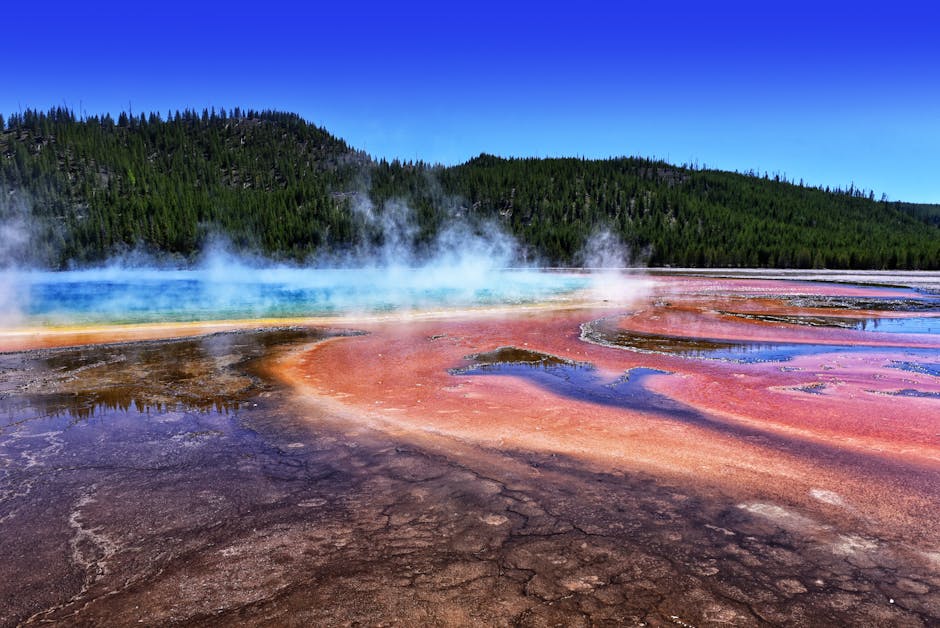
The spring's spectacular rainbow appearance results from thermophilic bacteria and microorganisms that thrive in the extreme temperatures of the water. These heat-loving organisms produce pigments ranging from deep oranges and reds to brilliant yellows and greens, depending on the water temperature and their distance from the center. The deep blue center remains too hot for most organisms to survive, revealing the true color of the ultra-pure water absorbing all wavelengths except blue.
3. Extreme Temperature Variations Throughout
The center of the Grand Prismatic Spring maintains a scalding temperature of approximately 189 degrees Fahrenheit (87 degrees Celsius), close to the boiling point at Yellowstone's elevation. As water radiates outward from the center, it gradually cools, creating distinct temperature zones that support different microbial communities. This thermal gradient creates the signature color bands, with cooler outer edges supporting orange and brown bacteria, while slightly warmer zones host yellow organisms.
4. Discovery and Early Documentation by Explorers
The Hayden Geological Survey of 1871 provided the first official documentation of the Grand Prismatic Spring. The expedition, led by geologist Ferdinand Vandeveer Hayden, explored the Yellowstone region and meticulously recorded its geothermal features. Team members were awestruck by the spring's enormous size and vivid colors, naming it "Grand Prismatic" due to its resemblance to the rainbow effect created when light passes through a prism. Their detailed reports and sketches helped convince Congress to establish Yellowstone as the world's first national park in 1872.
5. Location Within the Midway Geyser Basin
The Grand Prismatic Spring resides in the Midway Geyser Basin, situated between the Upper and Lower Geyser Basins along the Firehole River. This relatively compact geothermal area contains several significant thermal features despite its smaller size compared to neighboring basins. The spring sits prominently along the boardwalk trail, allowing visitors safe access to view this natural wonder while protecting both the delicate ecosystem and visitor safety from the dangerously hot water.
6. Seasonal Color Variations and Optimal Viewing Times
The Grand Prismatic Spring displays different intensities of color throughout the year based on seasonal factors. During summer months, the brilliant oranges and reds appear most vibrant as thermophiles flourish in warmer conditions. Winter brings more subdued colors as cooler temperatures affect bacterial activity and steam obscures much of the view. Late spring and early fall often provide ideal viewing conditions, with moderate temperatures producing vivid colors and less steam interference for photographers and visitors.
7. The Supervolcano Connection Beneath
The Grand Prismatic Spring exists because of the massive Yellowstone Caldera, a supervolcano that last erupted approximately 640,000 years ago. Magma chambers situated just a few miles beneath the surface heat groundwater, which then rises through fractures in the Earth's crust. This geothermal system powers all of Yellowstone's hot springs, geysers, and fumaroles. The spring's tremendous heat and water flow serve as visible evidence of the immense volcanic forces still active deep underground.
8. Unique Mineral-Rich Water Composition
The water emerging from the Grand Prismatic Spring contains high concentrations of silica and other dissolved minerals absorbed during its underground journey through volcanic rock. As the superheated water rises, it dissolves various minerals, creating a unique chemical composition that contributes to the spring's characteristics. The silica-rich water appears exceptionally clear in the center, and as it cools around the edges, some minerals precipitate, contributing to the formation of sinter terraces around the spring's perimeter.
9. Aerial Perspective From Fairy Falls Trail
While the boardwalk provides close-up access, the most spectacular views of the Grand Prismatic Spring come from an elevated vantage point along the Fairy Falls Trail. This overlook, located approximately one mile from the trailhead, requires a moderate hike up a hillside but rewards visitors with a panoramic perspective that reveals the spring's full circular shape and complete color spectrum. This aerial viewpoint has become increasingly popular with photographers seeking to capture the spring's true magnificence.
10. Continuous Scientific Research and Monitoring
Scientists continuously study the Grand Prismatic Spring to better understand extremophile organisms and their potential applications in biotechnology and medicine. Researchers have discovered that thermophilic bacteria living in the spring possess unique enzymes that function at high temperatures, leading to important scientific breakthroughs. The Taq polymerase enzyme, originally isolated from similar Yellowstone thermal features, revolutionized DNA research and medical diagnostics. Ongoing monitoring also helps scientists track changes in geothermal activity and ecosystem health.
11. Steam Plume Visible From Great Distances
On cold days, the Grand Prismatic Spring produces an enormous steam plume that rises hundreds of feet into the air and can be seen from miles away. This dramatic visual phenomenon occurs when the hot water meets cold air, creating condensation that forms massive clouds of steam. While the steam adds to the spring's mystique, it can also obstruct views during winter months and chilly mornings, making clear sightings more challenging during certain conditions.
12. Strict Protection and Conservation Measures
The National Park Service enforces strict regulations to protect the Grand Prismatic Spring and surrounding thermal features from human damage. Visitors must remain on designated boardwalks at all times, as walking on the delicate bacterial mats destroys decades of microbial growth and creates safety hazards. Throwing objects into the spring is prohibited and can alter its delicate thermal and chemical balance. These conservation efforts ensure that future generations can experience this natural wonder in its pristine state while protecting visitors from the extremely dangerous water temperatures.
Conclusion
The Grand Prismatic Spring represents an extraordinary convergence of geological forces, microbial life, and natural beauty. From its massive size and extreme temperatures to its rainbow colors and scientific significance, this iconic landmark embodies the unique character of Yellowstone National Park. Understanding these essential facts enriches any visit to this remarkable feature, fostering deeper appreciation for the complex natural processes that create such stunning displays. As one of America's most photographed natural landmarks, the Grand Prismatic Spring continues to inspire wonder and remind us of the incredible geothermal forces shaping our planet.