




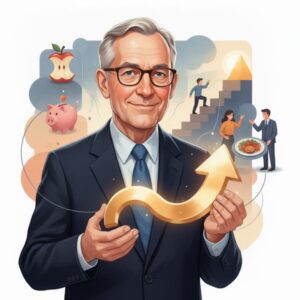

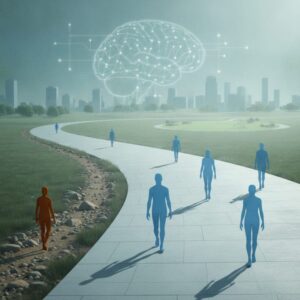



The Psychology Behind Health Behavior Change Campaigns

1 / 10 Questions
0 Points

Which color makes gym memberships feel more energizing?

Green

Red

Blue

Yellow

Points won
0
Correct score
0%

More Questions

More Articles

Did You Know? 15 Quirky Facts About US Festivals

Did You Know? 15 Quirky Facts About US Festivals

⏱️ 6 min read

The United States hosts thousands of festivals each year, celebrating everything from agricultural harvests to cultural traditions and downright bizarre themes. While many people attend these events for entertainment, few realize the fascinating stories, unusual origins, and surprising statistics behind America's most beloved celebrations. From record-breaking attendance numbers to peculiar customs that have endured for generations, the festival landscape across the country reveals much about American culture, creativity, and community spirit.

Fascinating Festival Facts from Across America

1. Macy's Thanksgiving Day Parade Originally Featured Live Animals

When Macy's first launched its iconic parade in 1924, the spectacular balloons we know today didn't exist. Instead, the department store borrowed animals from the Central Park Zoo, including elephants, camels, and monkeys. The giant character balloons weren't introduced until 1927, with Felix the Cat becoming the first balloon character to float through Manhattan's streets. Today, the parade requires over 8,000 volunteers and attracts more than 3.5 million spectators annually.

2. Burning Man Leaves No Trace in the Nevada Desert

Despite hosting approximately 70,000 participants in the Black Rock Desert, Burning Man operates under a strict "Leave No Trace" principle. After the week-long event concludes, volunteers spend weeks meticulously cleaning the playa, removing even the smallest pieces of debris. The U.S. Bureau of Land Management conducts post-event inspections, and the festival has consistently left the desert in better condition than before the event began.

3. New Orleans' Mardi Gras Is Older Than the United States

Mardi Gras celebrations in New Orleans date back to 1699, making the tradition over 320 years old and predating American independence by more than seven decades. The first recorded Mardi Gras parade in New Orleans occurred in 1837, and the official colors—purple, green, and gold—weren't designated until 1872, symbolizing justice, faith, and power respectively.

4. Coachella Was Born from a Protest Concert

The Coachella Valley Music and Arts Festival emerged after Pearl Jam's 1993 boycott of venues controlled by Ticketmaster. The band performed at the Empire Polo Club in Indio, California, demonstrating the venue's potential for large-scale concerts. Coachella officially launched in 1999, and the festival now generates over $700 million in economic activity for the region each year.

5. Milwaukee's Summerfest Holds the World Record

Guinness World Records recognizes Milwaukee's Summerfest as the world's largest music festival. The 11-day event spans 75 acres along Lake Michigan and features over 800 acts performing on multiple stages. Since its inception in 1968, Summerfest has attracted more than 25 million attendees and showcased everyone from local bands to international superstars.

6. The Albuquerque Balloon Fiesta Creates Its Own Weather Phenomenon

The Albuquerque International Balloon Fiesta is the largest hot air balloon festival worldwide, with over 500 balloons participating. The mass ascension of hundreds of balloons creates a unique microclimate known as the "Albuquerque Box," a wind pattern that allows pilots to navigate balloons in a controlled circuit, steering at different altitudes to catch winds flowing in opposite directions.

7. South by Southwest Started as a Small Music Gathering

SXSW began in 1987 with just 700 registrants and has exploded into a massive convergence of technology, film, and music industries. The festival now attracts over 400,000 attendees annually to Austin, Texas, and has become a crucial launching platform for emerging artists and startups. Companies like Twitter and Foursquare gained mainstream attention after showcasing at SXSW.

8. Kentucky Derby's Mint Julep Tradition Consumes 120,000 Drinks

The Kentucky Derby, America's oldest continuously held sporting event since 1875, sells approximately 120,000 mint juleps during the two-day event at Churchill Downs. This requires nearly 1,000 pounds of freshly harvested mint and 60,000 pounds of ice, making the drink as iconic as the horse race itself. The festival's elaborate hat tradition remains a fashion spectacle attracting international attention.

9. Punxsutawney Phil Has Been "Predicting" Weather Since 1887

Groundhog Day in Punxsutawney, Pennsylvania, has celebrated the same tradition for over 135 years. According to local lore, the current Phil is immortal, having been kept alive through a special "groundhog punch" elixir. The festival draws over 40,000 visitors annually to a town with a permanent population of approximately 6,000 residents.

10. San Diego Comic-Con Sells Out in Minutes

What began in 1970 as a one-day comic book convention with 300 attendees has transformed into a pop culture phenomenon. San Diego Comic-Con now attracts 135,000 attendees annually, and badges typically sell out within an hour of going on sale. The economic impact on San Diego exceeds $140 million, with hotels booking rooms up to two years in advance.

11. Portland's Rose Festival Once Crowned Animal Royalty

The Portland Rose Festival, celebrating its second century, originally featured unusual competitions including crowning a "Rose Festival Bull" and holding pet parades with costumed animals. While the modern festival focuses on its Grand Floral Parade with flower-decorated floats, the event still maintains quirky traditions and attracts over one million visitors during its month-long celebration.

12. Sturgis Motorcycle Rally Transforms a Small Town

Sturgis, South Dakota, has a permanent population of approximately 7,000 residents, but the annual Motorcycle Rally swells that number to over 500,000 during the 10-day August event. Founded in 1938 by the Jackpine Gypsies Motorcycle Club, the rally generates over $800 million in economic impact for South Dakota and is considered one of the largest motorcycle gatherings in the world.

13. Times Square New Year's Eve Ball Has Technological Evolution

The New Year's Eve ball drop tradition started in 1907, but the current ball bears little resemblance to its predecessor. The modern crystal ball weighs 11,875 pounds, is 12 feet in diameter, and features 2,688 Waterford Crystal triangles illuminated by 32,256 LED lights capable of displaying billions of color combinations. Over one million people gather in Times Square, while one billion watch worldwide.

14. Boston's First Night Pioneered Alcohol-Free Celebrations

Boston's First Night, launched in 1976, created the concept of family-friendly, alcohol-free New Year's Eve celebrations. This innovative approach inspired over 200 cities worldwide to adopt similar events. The festival showcases ice sculptures, performances, and culminates in fireworks, demonstrating that celebrations don't require alcohol to attract massive crowds.

15. County Fairs Predate the United States Constitution

The oldest continuous county fair in America is the Three County Fair in Northampton, Massachusetts, operating since 1818. However, agricultural fairs existed in colonial America as early as the 1600s. These festivals were crucial for agricultural education, livestock trading, and community bonding. Today, over 3,000 county and state fairs operate annually across America, maintaining traditions while incorporating modern attractions.

Conclusion

American festivals represent far more than simple entertainment—they serve as living museums of cultural heritage, technological innovation, and community values. From century-old traditions that predate the nation itself to modern gatherings that harness cutting-edge technology, these 15 facts reveal the remarkable diversity and creativity embedded in America's festival culture. Whether celebrating agricultural roots, artistic expression, or pure whimsy, these events continue to evolve while maintaining connections to their historical origins, demonstrating the enduring human need for communal celebration and shared experiences.
USA Culture Trivia: 20 Questions on American Social Trends

USA Culture Trivia: 20 Questions on American Social Trends

⏱️ 6 min read

American culture has undergone remarkable transformations over the decades, reflecting shifts in values, technology, demographics, and social consciousness. From the way people communicate to what they eat, drink, and believe, social trends reveal the evolving character of the nation. This exploration examines twenty fascinating questions about American social trends that illuminate how the United States has changed and continues to evolve.

The Evolution of American Social Patterns

1. The Rise of Digital Communication Over Face-to-Face Interaction

How has technology changed the way Americans communicate? The shift from in-person conversations to digital messaging represents one of the most significant social transformations in recent history. Text messaging, social media platforms, and video calls have fundamentally altered relationship dynamics, with the average American checking their phone over 90 times per day. This trend has created new etiquette rules and changed expectations around response times and availability.

2. The Decline of Traditional Marriage Rates

Why are Americans marrying later or not at all? Marriage rates have steadily declined since the 1960s, with the median age for first marriages now reaching historic highs—approximately 30 for men and 28 for women. Economic factors, educational pursuits, changing attitudes about cohabitation, and evolving definitions of family have all contributed to this trend, reshaping traditional life milestones.

3. The Growing Acceptance of LGBTQ+ Rights

How has American society's view on LGBTQ+ issues evolved? Public support for same-sex marriage has increased dramatically, from approximately 27% in 1996 to over 70% in recent years. This represents one of the fastest shifts in public opinion on any social issue in American history, culminating in nationwide marriage equality in 2015 and increasing workplace protections.

4. The Transformation of American Dining Habits

What changes have occurred in how Americans eat? The American diet has shifted significantly, with increasing awareness of health, sustainability, and dietary restrictions. Plant-based diets, food allergies awareness, farm-to-table movements, and the explosion of food delivery services have transformed eating patterns. Americans now spend more on dining out than on groceries—a historic reversal.

5. The Suburban to Urban Migration Pattern

Why are younger Americans returning to cities? After decades of suburban expansion, millennials and Gen Z have shown preference for urban living, valuing walkability, public transportation, and cultural amenities over large homes and yards. This trend, though partially reversed during the pandemic, has reshaped urban planning and real estate markets nationwide.

6. The Coffee Culture Explosion

How did coffee become a lifestyle choice? American coffee consumption evolved from simple home brewing to a complex culture of specialty drinks, artisan roasts, and café workspaces. The coffee shop has become a "third place" between home and work, with Americans spending billions annually on premium coffee experiences.

7. The Shift Toward Religious Disaffiliation

What explains the rise of the "nones"? Americans identifying as religiously unaffiliated—the "nones"—have grown from 16% in 2007 to nearly 30% today. This trend is particularly pronounced among younger generations, representing a significant shift in American spiritual identity and community structures traditionally centered around religious institutions.

8. The Changing Landscape of Work-Life Balance

How has the American attitude toward work evolved? The traditional 9-to-5 office model has been increasingly questioned, with remote work, flexible schedules, and the "hustle culture" debate reshaping expectations. The pandemic accelerated remote work adoption, with many companies permanently embracing hybrid models, fundamentally altering the relationship between Americans and their careers.

9. The Wellness and Self-Care Movement

Why has wellness become a cultural priority? Mental health awareness, meditation apps, fitness tracking, and holistic health approaches have moved from fringe to mainstream. Americans now invest heavily in wellness, with the industry valued at over $450 billion, reflecting changing priorities around personal health and stress management.

10. The Decline of Cash Transactions

How has digital payment transformed commerce? Cash usage has plummeted, with contactless payments, mobile wallets, and peer-to-peer payment apps becoming standard. Many Americans rarely carry cash, and some businesses have become cashless operations, fundamentally changing how people think about and handle money.

11. The Evolution of Political Polarization

Why has political division intensified? Americans increasingly live in ideologically homogeneous communities, consume partisan media, and report fewer close relationships with people holding opposing political views. This "big sort" has created cultural and political divisions that extend beyond policy preferences into lifestyle choices and consumer behavior.

12. The Transformation of Television Consumption

How has streaming changed viewing habits? Traditional cable subscriptions have declined dramatically as streaming services proliferate. Binge-watching, on-demand content, and personalized recommendations have replaced scheduled programming, changing how Americans consume entertainment and discuss popular culture.

13. The Rise of Side Hustles and Gig Economy

What drives the multiple income stream trend? Approximately one-third of American workers participate in the gig economy, whether through rideshare driving, freelancing, or online selling. This reflects both economic necessity and entrepreneurial spirit, reshaping traditional employment relationships and income stability expectations.

14. The Changing Definition of Luxury

How have American values around luxury evolved? Younger Americans increasingly value experiences over possessions, preferring travel, concerts, and dining over material goods. This shift has disrupted traditional luxury markets and reflects changing attitudes about status, fulfillment, and sustainable consumption.

15. The Increasing Pet Ownership and Humanization

Why do Americans treat pets as family members? Pet ownership has reached new highs, with Americans spending over $100 billion annually on pet care. Dogs and cats increasingly receive premium food, medical care, and even pet insurance, reflecting changing family structures and attitudes about animal companionship.

16. The Generational Divide in Social Media Use

How do different generations approach social platforms? While Facebook dominates among older Americans, younger generations have migrated to Instagram, TikTok, and emerging platforms. These preferences reflect different values around privacy, authenticity, and content formats, creating distinct digital cultural spaces across age groups.

17. The Sustainability and Environmental Consciousness Trend

How has eco-awareness influenced behavior? Americans increasingly consider environmental impact in purchasing decisions, from reusable bags to electric vehicles. Corporate sustainability commitments, climate change awareness, and zero-waste movements have shifted from niche concerns to mainstream considerations, particularly among younger consumers.

18. The Craft and Local Movement

Why has "small-batch" become desirable? Craft breweries, artisan goods, and local businesses have flourished as Americans seek authenticity and community connection. This trend represents pushback against mass production and corporate homogenization, valuing craftsmanship and local economic support.

19. The Changing Attitudes Toward Mental Health

How has the stigma around mental health shifted? Open discussions about anxiety, depression, and therapy have become increasingly normalized, particularly among younger generations. Celebrities sharing mental health struggles and workplace wellness programs reflect growing recognition that mental health deserves the same attention as physical health.

20. The Delayed Adulthood Milestones

Why are traditional markers of adulthood occurring later? Home ownership, marriage, and parenthood are happening significantly later than previous generations, if at all. Student debt, housing costs, career instability, and changing priorities have restructured the timeline of American adulthood, creating new definitions of success and maturity.

Understanding Cultural Evolution

These twenty questions about American social trends reveal a nation in continuous transformation. From digital communication to delayed life milestones, from changing dining habits to evolving political landscapes, American culture reflects complex interactions between technology, economics, values, and demographics. Understanding these trends provides insight into not only where American society has been, but where it continues to head. As each generation shapes culture according to its experiences and values, these social patterns will continue evolving, creating new questions for future examination.