








⏱️ 8 min read
Throughout history, humanity has created and cherished architectural marvels that transcend their physical presence to become symbols of cultural identity, artistic achievement, and engineering prowess. These extraordinary structures draw millions of visitors annually, serving as testaments to human ambition and creativity. From ancient wonders to modern masterpieces, certain landmarks have achieved global recognition and continue to inspire awe across generations.
The World's Most Recognizable Monuments
1. The Eiffel Tower: Paris's Iron Lady
Standing 330 meters tall in the heart of Paris, the Eiffel Tower was initially constructed as a temporary installation for the 1889 World's Fair. Designed by engineer Gustave Eiffel, this wrought-iron lattice tower faced significant criticism from Parisian artists and intellectuals who considered it an eyesore. However, it has since become the most visited paid monument in the world, attracting approximately seven million visitors annually. The tower's three levels offer observation decks and restaurants, with the topmost platform providing panoramic views across Paris. Its 18,000 metallic parts are held together by 2.5 million rivets, and the entire structure weighs approximately 10,100 tons. The tower requires repainting every seven years, consuming about 60 tons of paint to protect it from rust.
2. The Great Wall of China: Ancient Defense System
Stretching over 13,000 miles across northern China, the Great Wall represents one of the most ambitious construction projects in human history. Built over centuries by various Chinese dynasties, with major construction occurring during the Ming Dynasty (1368-1644), the wall was designed to protect Chinese states from invasions and raids. Contrary to popular belief, the wall is not a single continuous structure but rather a series of walls and fortifications. It incorporates natural defensive barriers such as hills and rivers into its design. The wall varies in height from 16 to 26 feet and includes watchtowers, garrison stations, and signal capabilities that allowed smoke signals to travel the entire length within hours. UNESCO designated it a World Heritage Site in 1987, recognizing its historical and architectural significance.
3. The Taj Mahal: Monument to Eternal Love
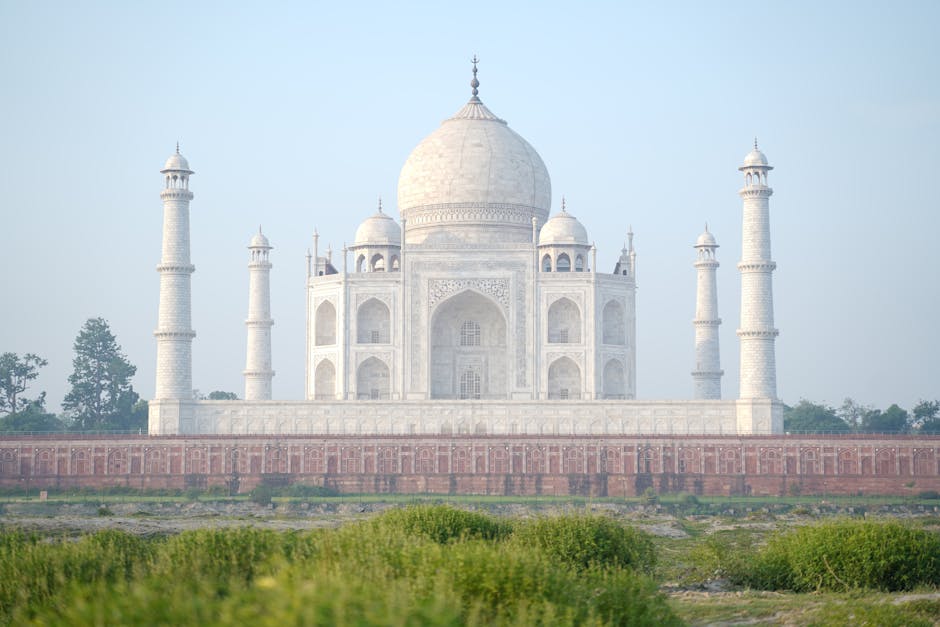
Located in Agra, India, the Taj Mahal stands as perhaps the finest example of Mughal architecture, combining elements from Persian, Islamic, and Indian architectural styles. Emperor Shah Jahan commissioned this white marble mausoleum in 1632 to house the tomb of his beloved wife, Mumtaz Mahal, who died during childbirth. The construction required 22 years and employed approximately 20,000 artisans. The complex covers 42 acres and includes a mosque, guest house, and formal gardens. The main dome reaches 240 feet in height, while four minarets frame the central structure. The building's facades feature intricate calligraphy and inlaid semi-precious stones in floral patterns. The monument's appearance changes throughout the day, displaying different hues from pinkish in the morning to golden at sunset and pearly white under moonlight.
4. The Colosseum: Rome's Ancient Amphitheater
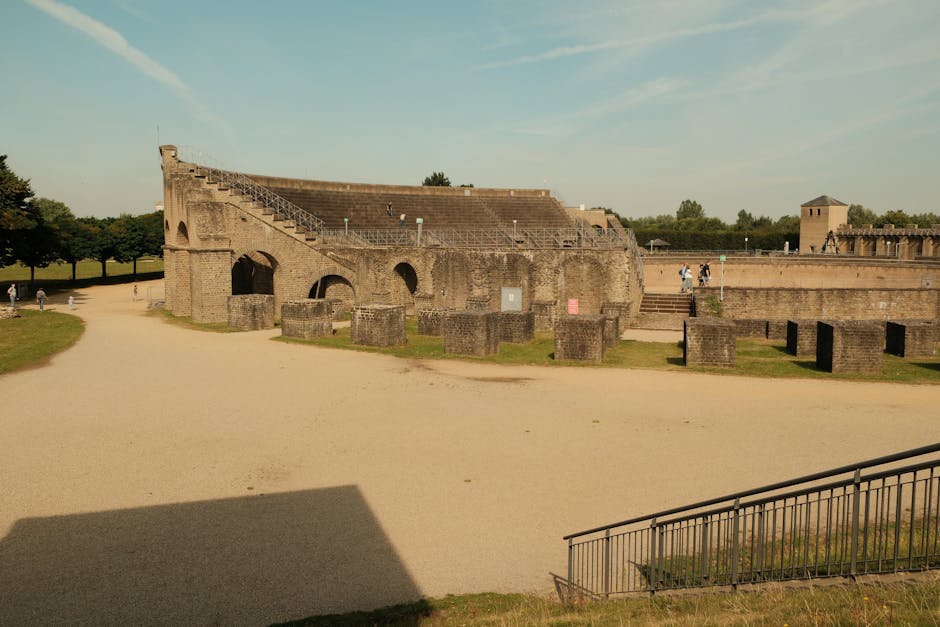
Completed in 80 AD under Emperor Titus, the Colosseum represents the pinnacle of Roman engineering and entertainment architecture. This massive amphitheater could accommodate between 50,000 and 80,000 spectators who gathered to witness gladiatorial contests, animal hunts, and mock naval battles. The elliptical structure measures 189 meters long and 156 meters wide, with a complex system of underground tunnels called the hypogeum that housed gladiators and animals before their appearances. The Colosseum featured a retractable awning system called the velarium that protected spectators from sun and rain. Despite earthquakes and stone robbers damaging approximately two-thirds of the original structure, it remains an iconic symbol of Imperial Rome and continues to influence modern stadium design worldwide.
5. Machu Picchu: Lost City of the Incas
Perched 7,970 feet above sea level in the Peruvian Andes, Machu Picchu remained unknown to the outside world until American historian Hiram Bingham brought it to international attention in 1911. Built in the 15th century during the reign of Inca emperor Pachacuti, this citadel showcases remarkable stone construction techniques where blocks fit together without mortar, so precisely that not even a knife blade can slip between them. The site encompasses approximately 200 structures, including temples, residences, storage facilities, and agricultural terraces. Its sophisticated water management system includes about 16 fountains. The purpose of Machu Picchu remains debated among scholars, with theories ranging from a royal estate to a sacred religious site. The remote location and ingenious architecture demonstrate the Incas' advanced engineering capabilities and astronomical knowledge.
6. The Statue of Liberty: Symbol of Freedom
Gifted by France to the United States in 1886, the Statue of Liberty has welcomed millions of immigrants arriving in New York Harbor. Designed by French sculptor Frédéric Auguste Bartholdi with engineering support from Gustave Eiffel, the copper statue stands 151 feet tall, reaching 305 feet when including the pedestal and foundation. Lady Liberty holds a torch in her raised right hand and a tablet inscribed with the date of American independence in her left. The seven spikes on her crown represent the seven continents and seven seas. The statue's copper exterior has oxidized over time, creating the distinctive blue-green patina. A spiral staircase of 354 steps leads to the crown, offering visitors views of New York City and the surrounding harbor.
7. Petra: Ancient Rose-Red City
Carved directly into vibrant red, white, and pink sandstone cliff faces in southern Jordan, Petra served as the capital city of the Nabataean Kingdom around 300 BC. This archaeological wonder remained hidden from the Western world until Swiss explorer Johann Ludwig Burckhardt rediscovered it in 1812. The most famous structure, Al-Khazneh or "The Treasury," stands 128 feet tall and features elaborate Hellenistic facades. The city once thrived as a crucial crossroads for trade routes connecting Arabia, Egypt, and the Mediterranean. Its sophisticated water management system included dams, cisterns, and rock-carved channels that controlled seasonal floods and stored water. At its peak, Petra housed an estimated 20,000 inhabitants. The rose-colored stone creates spectacular color variations depending on sunlight angles, earning it the nickname "Rose City."
8. The Sydney Opera House: Architectural Masterpiece
Opened in 1973, the Sydney Opera House revolutionized modern architecture with its distinctive sail-shaped design. Danish architect Jørn Utzon won an international competition in 1957 with his innovative design, though construction challenges and budget overruns led to his resignation before completion. The building's roof consists of over one million ceramic tiles arranged in chevron patterns across precast concrete panels supported by 580 concrete piers sunk up to 82 feet below sea level. The complex houses multiple performance venues, including a concert hall seating 2,679 people and an opera theater accommodating 1,507 patrons. It hosts over 1,500 performances annually, attended by more than 1.2 million people. UNESCO designated it a World Heritage Site in 2007, recognizing it as one of the 20th century's most distinctive buildings.
9. Christ the Redeemer: Rio's Watchful Guardian
Overlooking Rio de Janeiro from atop Corcovado Mountain, the Art Deco statue of Christ the Redeemer stands 98 feet tall with arms stretching 92 feet wide. Completed in 1931, this iconic symbol of Brazilian Christianity was constructed using reinforced concrete and soapstone. French sculptor Paul Landowski created the design, while Brazilian engineer Heitor da Silva Costa oversaw construction. The statue weighs approximately 635 metric tons and sits on a pedestal measuring 26 feet high. Lightning frequently strikes the statue, necessitating regular maintenance and repairs. From its vantage point 2,300 feet above sea level, it offers breathtaking panoramic views of Rio de Janeiro, including Sugarloaf Mountain, Copacabana Beach, and Guanabara Bay. The monument has become synonymous with Rio and Brazilian culture.
10. Big Ben and the Palace of Westminster: London's Timekeeper
Though commonly called Big Ben, this name technically refers only to the Great Bell within the Elizabeth Tower at the Palace of Westminster. Completed in 1859, the Gothic Revival tower stands 316 feet tall and houses the famous four-faced clock. Each clock face measures 23 feet in diameter, with minute hands spanning 14 feet in length. The Great Bell itself weighs 13.7 tons and produces the distinctive chime heard throughout London. The tower contains 334 steps leading to the belfry and 399 steps to the Airie. The clock's remarkable accuracy relies on a stack of old penny coins placed on the pendulum; adding or removing a penny can alter the time by two-fifths of a second per day. Big Ben has become an enduring symbol of British democracy and punctuality, featuring in countless photographs and films representing London worldwide.
Preserving Our Shared Heritage
These ten landmarks represent more than impressive architectural achievements; they embody human stories, cultural values, and historical moments that shaped civilizations. Each structure has withstood the test of time through careful preservation efforts and continues to educate and inspire visitors from every corner of the globe. They serve as reminders of humanity's capacity for creativity, dedication, and artistic expression. As tourism increases and environmental challenges intensify, protecting these irreplaceable treasures requires ongoing commitment from international communities. These monuments connect us to our past while inspiring future generations to create their own lasting legacies. Whether built for worship, defense, commemoration, or celebration, they unite humanity through shared appreciation of extraordinary achievement and timeless beauty.