










Restaurant Reservations That Sold for Thousands

1 / 10 Questions
0 Points

Which Chicago restaurant revolutionized the industry by selling reservations like concert tickets?

The Aviary

Girl & the Goat

Next

Alinea

Points won
0
Correct score
0%

More Questions

More Articles

Did You Know? 15 Fun Facts About the Gobi Desert

Did You Know? 15 Fun Facts About the Gobi Desert

⏱️ 6 min read

Stretching across northern China and southern Mongolia, the Gobi Desert stands as one of Earth's most remarkable and misunderstood landscapes. Far from being an endless sea of sand dunes, this vast expanse holds secrets that span from prehistoric times to modern scientific discoveries. The following fascinating facts reveal why the Gobi Desert continues to captivate explorers, scientists, and adventurers from around the world.

Surprising Truths About Asia's Mighty Desert

1. The Fifth Largest Desert on the Planet

The Gobi Desert spans an impressive 500,000 square miles, making it the fifth largest desert in the world and Asia's largest. This massive region covers parts of northern and northwestern China and southern Mongolia, stretching approximately 1,000 miles from southwest to northeast and 600 miles from north to south. Despite its enormous size, the Gobi continues to expand at an alarming rate due to desertification, growing by approximately 1,400 square miles annually.

2. A Cold Desert, Not a Hot One

Contrary to popular belief, the Gobi is classified as a cold desert rather than a hot one. Winter temperatures can plummet to a bone-chilling -40°F (-40°C), while summer temperatures can soar above 100°F (38°C). This extreme temperature variation of over 140 degrees Fahrenheit makes the Gobi one of the most temperature-volatile places on Earth, with daily temperature swings of up to 60 degrees not uncommon.

3. Mostly Rock and Bare Soil, Not Sand

Only about 5% of the Gobi Desert consists of sand dunes. The majority of this vast landscape comprises bare rock, gravel plains, and compacted earth. The name "Gobi" itself comes from a Mongolian word meaning "waterless place," and the terrain reflects this with its sparse vegetation and rocky expanses that stretch for miles without a single grain of sand in sight.

4. Home to the World's Greatest Dinosaur Fossil Discoveries

The Gobi Desert is one of the world's richest sources of dinosaur fossils and has yielded some of paleontology's most significant discoveries. In 1923, explorer Roy Chapman Andrews found the first known dinosaur eggs in the Flaming Cliffs region. Since then, numerous complete dinosaur skeletons have been unearthed, including species of Protoceratops, Velociraptor, and the massive Tarbosaurus. The desert's arid conditions perfectly preserve these ancient remains.

5. The Legendary Flaming Cliffs Phenomenon

The Bayanzag region, known as the Flaming Cliffs, earned its name from the intense orange and red glow the sandstone formations emit during sunset. These 100-foot-high cliffs have been a treasure trove for paleontologists and create one of the most photographed landscapes in the Gobi, appearing to be literally on fire when the light hits just right.

6. Ancient Silk Road Gateway

The Gobi Desert was a crucial obstacle and pathway along the ancient Silk Road trade routes connecting China with Europe. Caravans had to carefully navigate this treacherous landscape, following specific routes where water sources could be found. Cities like Dunhuang emerged as vital oasis stops where travelers could rest and resupply before braving the harsh desert crossing.

7. Unique Wildlife Adaptations

The Gobi hosts remarkable wildlife that has adapted to its extreme conditions. The region is home to the rare Bactrian camel with two humps, Gobi bears (one of the rarest bears on Earth with only about 40 remaining), snow leopards, ibex, and the Mongolian wild ass. These animals have developed incredible survival mechanisms to cope with scarce water and extreme temperatures.

8. Minimal Annual Precipitation

The Gobi Desert receives an incredibly meager amount of rainfall, averaging only 7.6 inches (194mm) annually, with some regions receiving as little as 2 inches. The Himalayan mountains to the south block moisture-laden clouds from the Indian Ocean, creating a massive rain shadow effect. When rain does fall, it often evaporates before reaching the ground due to the extreme heat.

9. Snow in the Desert

Due to its classification as a cold desert, the Gobi occasionally receives snow rather than rain. In some winters, parts of the desert experience significant snowfall that can remain on the ground for months. This unusual phenomenon creates striking images of snow-dusted sand dunes and frozen landscapes that defy typical desert stereotypes.

10. Growing Environmental Threat to China

The Gobi Desert's expansion poses a serious environmental challenge to China. Dust storms originating from the Gobi regularly reach Beijing, located over 100 miles away, coating the city in yellow dust and affecting air quality. The Chinese government has initiated massive tree-planting campaigns along the desert's edges, creating a "Green Wall of China" to combat desertification and prevent further expansion.

11. Nomadic Culture Persists

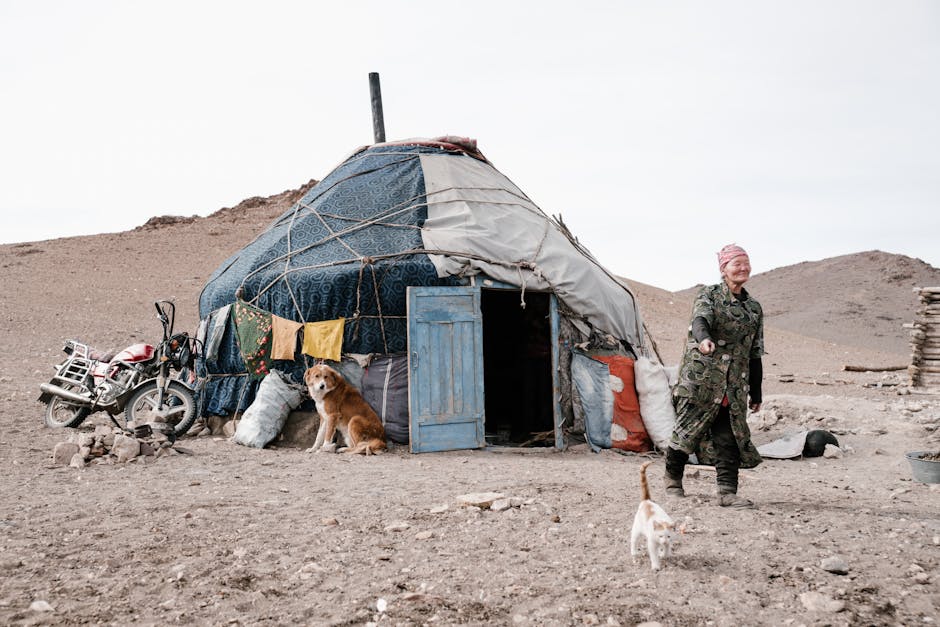
Despite harsh conditions, nomadic herders continue to live in the Gobi Desert as their ancestors have for thousands of years. These resilient people move with their livestock—sheep, goats, camels, and horses—following seasonal grazing patterns. They live in traditional gers (yurts), portable dwellings perfectly suited to the nomadic lifestyle and extreme climate.

12. Massive Mineral Wealth

Beneath the Gobi's barren surface lies enormous mineral wealth, including copper, gold, coal, and rare earth elements. The Oyu Tolgoi mine in the Mongolian Gobi is one of the world's largest copper and gold deposits. This mineral bounty has attracted significant international investment but also raises concerns about environmental impact and water usage in this already water-scarce region.

13. The Mysterious Singing Dunes

The Khongoryn Els, also called the "Singing Sands," are sand dunes that produce a distinctive humming or singing sound when the sand moves. These dunes can reach heights of up to 2,600 feet and stretch for nearly 60 miles. The phenomenon occurs when dry sand grains of the right size and shape avalanche down the dune face, creating vibrations that produce an eerie, resonant sound.

14. Genghis Khan's Connection

The Gobi Desert region served as the homeland for Genghis Khan and the Mongol Empire. The harsh desert environment helped forge the toughness and horsemanship skills that made Mongol warriors legendary. Some historians believe Genghis Khan's tomb lies hidden somewhere in the Gobi region, though it has never been found despite numerous expeditions.

15. Modern Scientific Research Station

The Gobi Desert has become an important location for scientific research, particularly climate studies and Mars analog research. Scientists study the desert's extreme conditions and unique geology to better understand similar environments on Mars. Several research stations operate in the region, collecting data on everything from weather patterns to soil composition, contributing valuable insights into desert ecosystems and climate change.

A Desert of Contrasts and Wonders

The Gobi Desert defies simple categorization as merely a barren wasteland. From its role as a dinosaur graveyard to its position as a modern scientific laboratory, from ancient trade routes to contemporary mining operations, the Gobi represents a landscape of extraordinary contrasts. Its extreme temperatures, minimal precipitation, and expanding boundaries present ongoing challenges, while its fossil beds, unique wildlife, and cultural heritage offer irreplaceable value to humanity's understanding of natural history and desert ecosystems. Whether viewed through the lens of paleontology, ecology, history, or geology, the Gobi Desert continues to reveal new secrets and remind us of nature's capacity to thrive even in the most unforgiving environments.

18 Fun Facts About Street Food From Random Countries

18 Fun Facts About Street Food From Random Countries

⏱️ 7 min read

Street food represents one of the most authentic ways to experience a culture's culinary heritage. From bustling Asian night markets to colorful Latin American food stalls, these portable meals tell stories of tradition, innovation, and community. The following collection explores fascinating tidbits about street food from various corners of the globe, revealing how these quick bites have shaped societies and continue to evolve today.

Global Street Food Discoveries

Thailand's Insect Delicacies Generate Millions Annually

Thailand's street food scene includes a thriving market for edible insects, generating over $50 million in annual revenue. Vendors sell crickets, grasshoppers, and bamboo worms seasoned with Thai spices, providing a protein-rich snack that's both sustainable and deeply rooted in regional agricultural traditions. These crunchy treats are particularly popular in northeastern Thailand and have become a curious attraction for adventurous tourists.

Mexican Tacos al Pastor Originated from Lebanese Immigration

The iconic tacos al pastor, now synonymous with Mexican street food, actually evolved from Lebanese immigrants who arrived in Mexico during the early 20th century. They brought shawarma-cooking techniques, which Mexican vendors adapted by substituting lamb with pork and adding local ingredients like pineapple and cilantro. This fusion created one of Mexico's most beloved street foods, demonstrating how immigration shapes culinary landscapes.

Indian Street Food Vendors Serve Over 2.5 Billion People Daily

India's street food industry is staggering in scale, with an estimated 2.5 billion servings consumed daily across the country. From Mumbai's vada pav to Delhi's chaat, these affordable meals form a crucial part of the nation's food security system, providing employment to millions while offering nutritious, flavorful options to people across all economic brackets.

Turkey's Simit Has Been Sold for Over 500 Years

The circular sesame-encrusted bread called simit has been a Istanbul street food staple since the Ottoman Empire, with records of simit vendors dating back to the 1500s. These bread rings are still prepared using traditional methods and sold by vendors carrying distinctive red carts, maintaining a culinary tradition that has survived centuries of political and social change.

Vietnam's Banh Mi Sandwich Emerged from French Colonization

Vietnam's beloved banh mi represents a perfect example of colonial influence transformed into national identity. The sandwich combines French baguettes with Vietnamese ingredients like pickled vegetables, cilantro, and pâté, creating something entirely unique. This street food emerged during French colonial rule in the 19th century but evolved into a distinctly Vietnamese creation after independence.

South Korea's Tteokbokki Was Originally a Royal Court Dish

The spicy rice cakes known as tteokbokki, now ubiquitous at Korean street food stalls, began as a refined dish served in royal courts during the Joseon Dynasty. The modern street version with its characteristic red spicy sauce only emerged in the 1950s, when a vendor in Seoul's Sindang-dong neighborhood experimented with adding gochujang pepper paste to the traditional recipe.

Belgium Consumes Its Own Weight in Fries Annually

Belgians take their frites seriously, with the average citizen consuming approximately 75 kilograms of fries per year—roughly equivalent to their own body weight. Belgian fritkots (fry stands) are considered cultural institutions, and the double-frying technique used there creates a distinctively crispy exterior and fluffy interior that differs from fries served elsewhere.

Japan's Takoyaki Balls Were Invented During Economic Hardship

Takoyaki, the octopus-filled batter balls popular at Japanese street festivals, were invented in Osaka in 1935 during a period of economic difficulty. A street vendor created them as an affordable, filling snack that could stretch expensive ingredients like octopus by mixing them with wheat flour. The dish became so popular that it's now considered Osaka's signature street food.

Egyptian Koshari Combines Five Different Cultural Influences

Egypt's national street food dish, koshari, is a remarkable fusion of ingredients from multiple civilizations. It combines rice and lentils from Indian cuisine, pasta from Italian influence, chickpeas from Middle Eastern tradition, and a spicy tomato sauce with local Egyptian spices. This layered dish reflects Egypt's position as a historical crossroads of trade and culture.

Peru's Anticuchos Date Back to Pre-Columbian Times

The marinated beef heart skewers called anticuchos have been part of Peruvian street food culture since before Spanish colonization. Originally made with llama meat by the Incan civilization, these grilled skewers adapted to include beef heart after Spanish arrival. They remain a popular evening street food throughout Peru, especially in Lima.

Germany's Currywurst Was Created by Accident After World War II

Berlin's famous currywurst—sliced sausage covered in curry ketchup—emerged in 1949 when a vendor named Herta Heuwer obtained ketchup and curry powder from British soldiers. She experimented by mixing them together and pouring the sauce over grilled sausage, creating a dish that now sees 800 million servings consumed annually in Germany alone.

Filipino Balut Eggs Are Considered Aphrodisiacs

The Philippines' controversial street food delicacy, balut—a fertilized duck egg with a partially developed embryo—is widely believed to have aphrodisiac properties in Filipino culture. Vendors typically sell these eggs warm, especially during evening hours, and many Filipinos consider them a source of protein and traditional medicine that boosts stamina and vitality.

Morocco's Snail Soup Stalls Create Unique Social Spaces

In Marrakech's Djemaa el-Fna square, snail soup vendors serve their specialty in a ritualistic manner that creates communal dining experiences. Customers gather around steaming pots, sharing bowls of broth infused with up to 15 different spices. These stalls function as social gathering spots where people from different backgrounds interact while enjoying the warming, medicinal properties attributed to the soup.

Colombia's Arepas Have Over 75 Regional Variations

The corn cake called arepa appears throughout Colombia with dramatically different preparations depending on the region. From cheese-filled arepas de queso to egg-stuffed arepa de huevo, locals identify strongly with their regional version. This diversity has sparked friendly rivalries between cities about whose arepa reigns supreme, making it a source of regional pride beyond just sustenance.

Taiwan's Night Markets Generate More Revenue Than Many Restaurants

Taiwan's street food night markets have become so economically significant that individual vendors often earn more than traditional restaurant owners. Markets like Shilin and Raohe attract millions of visitors annually, with popular stalls generating daily revenues exceeding $10,000. This success has prompted the government to officially recognize night market culture as protected cultural heritage.

Greek Souvlaki Has Protected Geographical Indication Status

Authentic Greek souvlaki holds a protected designation of origin status within the European Union, similar to champagne or Parmesan cheese. This means only meat skewers prepared according to traditional Greek methods and using specific ingredients can legally be called "souvlaki" in official contexts, protecting this street food's cultural authenticity against imitations.

Brazil's Acarajé Maintains Sacred Religious Significance

The Brazilian street food acarajé—black-eyed pea fritters—carries deep religious meaning in Afro-Brazilian Candomblé tradition. Traditionally sold by women wearing white ceremonial clothing called Baianas, these fritters honor the deity Iansã. The practice of selling acarajé is considered sacred work, and the recipe and preparation methods have been passed down through generations with spiritual reverence.

Singapore Earned a Michelin Star for a $2 Street Food Stall

In 2016, Singapore made culinary history when a humble street food stall called Hong Kong Soya Sauce Chicken Rice and Noodle received a Michelin star while still charging approximately $2 per plate. This unprecedented recognition validated street food as legitimate haute cuisine and sparked global conversations about how culinary excellence transcends expensive ingredients and fancy dining rooms.

The Universal Language of Street Food

These eighteen facts demonstrate that street food serves purposes far beyond quick, inexpensive meals. These portable dishes carry histories of migration, adaptation, and cultural fusion while remaining accessible to people from all walks of life. Whether born from economic necessity, colonial influence, or ancient tradition, street foods continue evolving while maintaining connections to their origins. They create social spaces, preserve culinary heritage, and increasingly gain recognition as serious gastronomic achievements. As global interest in authentic food experiences grows, street food culture worldwide continues thriving, proving that some of the world's most meaningful culinary traditions happen not in fine dining establishments, but on busy corners, in night markets, and at humble roadside stalls.