







⏱️ 5 min read
Geography encompasses far more than memorizing state capitals and country names. It represents a fascinating intersection of natural wonders, human development, and the intricate relationships between people and their environments. From the diverse landscapes of the United States to remarkable features across the globe, geographical knowledge opens windows into understanding our world's complexity and beauty.
The Vast Diversity of American Landscapes
The United States spans approximately 3.8 million square miles, making it the third-largest country by total area. This immense territory contains virtually every type of ecosystem imaginable, from arctic tundra in Alaska to tropical environments in Hawaii and Florida. The country's geographical diversity is one of its defining characteristics, offering everything from deserts and mountains to prairies and coastlines.
The Continental Divide runs along the Rocky Mountains, determining whether rivers flow toward the Pacific Ocean or the Atlantic Ocean and Gulf of Mexico. This geographical feature plays a crucial role in the nation's water distribution, weather patterns, and ecological systems. Meanwhile, the Mississippi River system, stretching over 2,300 miles, drains roughly 40 percent of the continental United States, making it one of the world's most significant river networks.
Remarkable American Geographical Extremes
The United States holds numerous geographical superlatives that often surprise even well-informed individuals. Death Valley, California, recorded the highest reliable temperature ever measured on Earth at 134°F (56.7°C) in July 1913. This same location sits at 282 feet below sea level, making it the lowest point in North America. Contrastingly, Alaska's Denali rises to 20,310 feet, claiming the title of North America's highest peak.
The Great Lakes collectively contain approximately 21 percent of the world's surface fresh water, with Lake Superior being the largest freshwater lake by surface area globally. These five lakes—Superior, Michigan, Huron, Erie, and Ontario—create a distinctive geographical feature visible from space and significantly influence regional climate patterns, supporting millions of residents and diverse ecosystems.
Unique American Geographical Phenomena
Tornado Alley, stretching across the Great Plains from Texas to South Dakota, experiences more tornadoes than anywhere else on Earth. The flat terrain and unique atmospheric conditions create perfect circumstances for severe weather systems. Similarly, the Ring of Fire volcanic belt influences the West Coast, particularly affecting Alaska, Washington, Oregon, and California with seismic and volcanic activity.
The Four Corners region represents the only point in the United States where four states—Arizona, Colorado, New Mexico, and Utah—meet at a single point. This unique geographical feature has become a popular tourist destination and holds significant cultural importance for Native American tribes in the region.
American Territorial Reach Beyond the Mainland
The United States maintains sovereignty over numerous territories extending far beyond the continental states. These include:
- Puerto Rico in the Caribbean, home to approximately 3.2 million residents
- Guam and the Northern Mariana Islands in the western Pacific Ocean
- American Samoa in the South Pacific
- The U.S. Virgin Islands in the Caribbean Sea
- Various uninhabited territories and atolls scattered across the Pacific
These territories expand American geographical influence across multiple time zones and hemispheres, contributing to the nation's strategic, economic, and cultural presence worldwide.
Connecting American Geography to Global Wonders
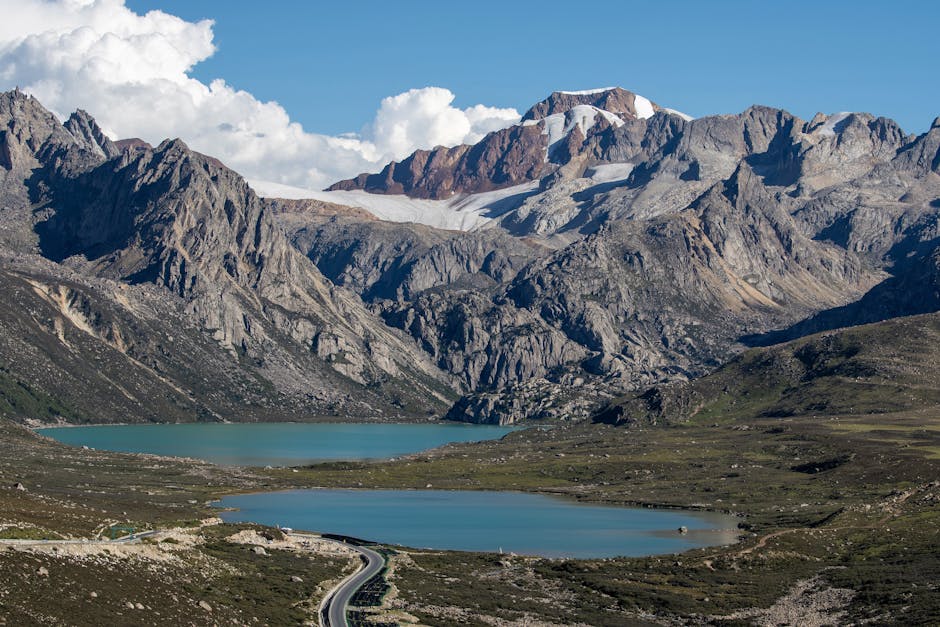
Understanding American geography provides context for appreciating remarkable geographical features worldwide. The Grand Canyon, while impressive at 277 miles long and up to 18 miles wide, invites comparison with other extraordinary canyons like Peru's Cotahuasi Canyon or Tibet's Yarlung Tsangpo Grand Canyon, both of which exceed the Grand Canyon in depth.
The concept of biodiversity hotspots connects American ecosystems with global conservation priorities. While the California Floristic Province represents a crucial biodiversity area in North America, it exists within a worldwide network of 36 recognized biodiversity hotspots, each supporting exceptional concentrations of endemic species facing significant threats.
Global Geographical Superlatives Worth Knowing
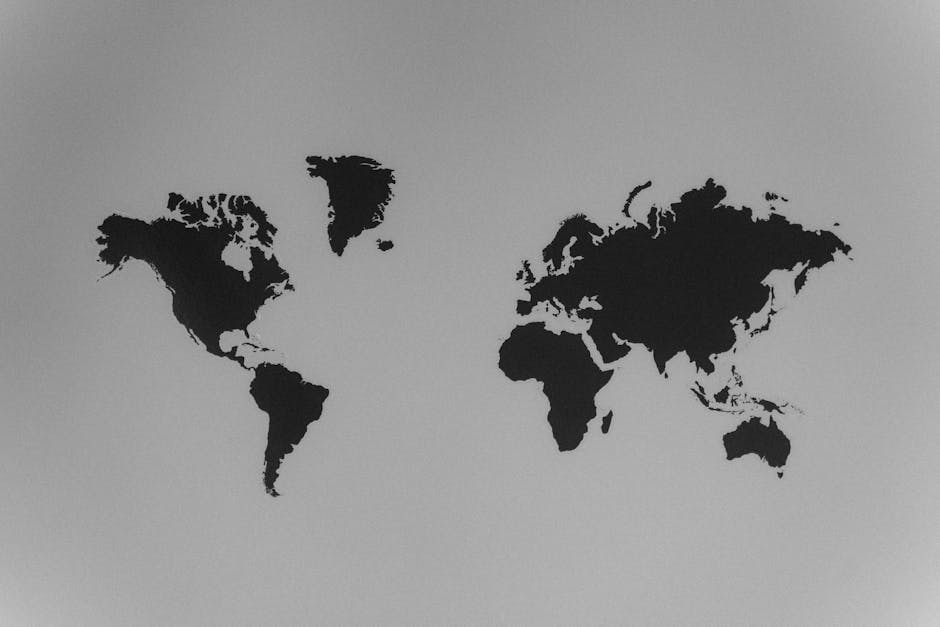
Expanding geographical knowledge beyond American borders reveals fascinating global extremes. Mount Everest reaches 29,032 feet above sea level, while the Mariana Trench plunges approximately 36,000 feet below the ocean surface. The Nile River traditionally held the title of world's longest river at approximately 4,130 miles, though some measurements suggest the Amazon River may actually exceed this length.
Russia remains the world's largest country by land area, spanning 11 time zones and covering more than 6.6 million square miles. Vatican City, conversely, occupies only 0.17 square miles, making it the smallest internationally recognized independent state. These extremes demonstrate the remarkable variety in how humans organize territorial boundaries.
The Importance of Geographical Literacy
Understanding geography extends beyond memorizing facts and figures. Geographical knowledge helps explain climate patterns, resource distribution, population movements, and geopolitical relationships. It provides context for understanding natural disasters, environmental challenges, and economic development patterns affecting communities worldwide.
Climate zones, topographical features, and water access fundamentally shape human civilization. The concentration of major cities along coastlines and rivers demonstrates geography's influence on settlement patterns throughout history. Similarly, mountain ranges, deserts, and oceans have historically served as natural barriers affecting cultural development, trade routes, and political boundaries.
As global interconnectedness increases, geographical literacy becomes increasingly valuable for understanding international relations, environmental challenges, and cultural diversity. Whether exploring American landscapes or studying distant continents, geographical knowledge enriches our comprehension of the complex, beautiful world we inhabit.