








American Billboards That Caused Car Accidents and Got Banned Nationwide

1 / 10 Questions
0 Points

Which state became the first in America to ban billboards entirely along highways?

Alaska

Vermont

Maine

Hawaii

Points won
0
Correct score
0%

More Questions

More Articles

20 Fascinating Facts About Global Monuments

20 Fascinating Facts About Global Monuments

⏱️ 4 min read

20 Fascinating Facts About Global Monuments

Throughout history, humans have created remarkable monuments that stand as testaments to engineering brilliance, cultural significance, and architectural innovation. Here are 20 fascinating facts about some of the world's most iconic monuments that showcase the incredible achievements of human civilization.

1. The Great Wall's True Length

Contrary to popular belief, the Great Wall of China isn't a single continuous wall but a network of walls spanning approximately 21,196 kilometers (13,171 miles). The most recent archaeological survey revealed that the wall's complete defense system includes trenches and natural barriers.

2. Petra's Hidden Water System

The ancient city of Petra in Jordan featured an advanced water conduit system that prevented flooding and provided drinking water year-round. This sophisticated system included ceramic pipes, reservoirs, and aqueducts that sustained a population of over 30,000.

3. Taj Mahal's Color-Changing Properties

The Taj Mahal appears to change color throughout the day due to its unique marble construction. It can appear pinkish in the morning, milky white in the evening, and golden under moonlight, thanks to its translucent marble panels.

4. Easter Island's Moving Method

Recent studies suggest that the massive Moai statues of Easter Island were transported to their locations by "walking" them upright using ropes, explaining the deep tracks found in ancient road beds.

5. Stonehenge's Acoustic Properties

Scientists discovered that Stonehenge's stones possess unusual acoustic properties that create sound reflection patterns, suggesting the monument might have been used as an ancient musical instrument or acoustic chamber.

6. The Sphinx's Missing Nose

The Great Sphinx of Giza lost its nose due to deliberate destruction. Contrary to popular belief, it wasn't Napoleon's troops but likely 14th-century Muslim iconoclasts who damaged the monument.

7. Machu Picchu's Earthquake Protection

The ancient Inca city features an innovative earthquake-resistant architecture using stones cut so precisely that they fit together without mortar, allowing them to move during seismic activity and resettle without collapsing.

8. The Leaning Tower's Intentional Lean

While the Tower of Pisa's famous lean was unintentional, its architects built the upper floors with one side taller than the other to compensate for the tilt, creating an interesting curved appearance.

9. Angkor Wat's Hidden Paintings

Recent laser scanning revealed previously unknown paintings on the walls of Angkor Wat, invisible to the naked eye, depicting elephants, boats, and mythological scenes in remarkable detail.

10. The Colosseum's Naval Battles

The Roman Colosseum could be flooded to stage naval battles called naumachiae, using an intricate system of underground tunnels and machinery to fill and drain the arena.

11. Statue of Liberty's Original Color

The Statue of Liberty was originally copper-colored when erected in 1886. Its iconic green patina developed over 20 years of oxidation, which actually protects the copper underneath.

12. Mount Rushmore's Secret Room

Behind Abraham Lincoln's head at Mount Rushmore lies a hidden chamber called the Hall of Records, designed to store important American documents and artifacts for future civilizations.

13. The Pantheon's Mathematical Precision

Rome's Pantheon features a perfect spherical design where the height of its dome equals its diameter, creating an architectural masterpiece of mathematical precision that has inspired buildings for two millennia.

14. Christ the Redeemer's Lightning Protection

The statue in Rio de Janeiro is struck by lightning approximately 6 times per year and contains special soapstone blocks that conduct electricity safely through the statue to prevent damage.

15. Chichen Itza's Sound Effects

When you clap at the base of El Castillo pyramid, the sound echoes back as a chirp that resembles the sacred quetzal bird, an intentional acoustic design by Mayan architects.

16. Hagia Sophia's Hidden Faces

The Hagia Sophia contains hidden angel faces in its upper galleries, covered during the Ottoman period and rediscovered during modern restoration work.

17. Moai Statues' Hidden Bodies

The Easter Island heads actually have bodies that extend deep underground, containing detailed carvings and petroglyphs that were buried over centuries.

18. The Eiffel Tower's Movement

The Eiffel Tower can sway up to 6-7 centimeters (2.3-2.7 inches) in strong winds and grows up to 15 centimeters (5.9 inches) taller in summer due to thermal expansion of the iron.

19. Petra's Astronomical Alignment

The Monastery at Petra was built to align with the sun during winter solstice, creating a stunning light show that illuminates the internal sacred chamber.

20. The Great Pyramid's Power Plant Theory

Some scientists suggest the Great Pyramid of Giza could generate electromagnetic energy due to its unique internal chamber construction and use of specific materials, though this remains a controversial theory.

These fascinating facts demonstrate how ancient and modern monuments continue to reveal new secrets and inspire wonder. From innovative engineering solutions to astronomical alignments, these structures represent the pinnacle of human achievement and ingenuity across different civilizations and eras.
USA Culture Trivia: 15 Facts About American Holidays

USA Culture Trivia: 15 Facts About American Holidays

⏱️ 7 min read

American holidays reflect the nation's diverse cultural heritage, historical milestones, and evolving traditions. From nationwide celebrations to unique observances, these special days offer fascinating insights into what shapes American society. Understanding the quirks, origins, and traditions behind these holidays reveals much about American values, history, and the melting pot of cultures that define the United States.

Fascinating Facts About American Holiday Traditions

1. Thanksgiving's Presidential Pardon Tradition

The annual presidential turkey pardon has become one of Thanksgiving's most recognized traditions, yet it only became an official ceremony in 1989 under President George H.W. Bush. While presidents had informally spared turkeys before, the formalization of this lighthearted tradition symbolizes mercy and humor during the holiday season. Each year, two turkeys receive the pardon and are sent to live out their days at a farm, escaping the dinner table fate of approximately 46 million other turkeys consumed during Thanksgiving.

2. Independence Day Wasn't Celebrated on July 4th Initially

While Americans celebrate Independence Day on July 4th, this date marks when the Declaration of Independence was approved, not when it was signed. Most delegates actually signed the document on August 2, 1776, and some signatures weren't added until years later. John Adams believed July 2nd would be remembered as America's independence day, as that's when the Continental Congress voted for independence. The date discrepancy highlights how historical commemorations sometimes differ from actual events.

3. Memorial Day's Floral Origins

Memorial Day began as "Decoration Day" after the Civil War, specifically dedicated to decorating the graves of fallen soldiers with flowers. The practice originated in the South, where women maintained Confederate graves, and spread nationwide. In 1868, General John A. Logan officially proclaimed May 30th as Decoration Day. The holiday wasn't called Memorial Day until the 1880s, and it didn't become an official federal holiday until 1971, when it was moved to the last Monday in May.

4. Halloween's $10 Billion Economy

Americans spend approximately $10 billion annually on Halloween, making it the country's second-largest commercial holiday after Christmas. This spending includes costumes, candy, decorations, and greeting cards. The tradition of trick-or-treating became popular in America during the 1930s and 1940s, though it temporarily declined during World War II sugar rationing. Today, approximately 41 million children go trick-or-treating each year, and Americans purchase nearly 600 million pounds of candy for the holiday.

5. Labor Day's Controversial Founding Date

Labor Day's exact origins remain disputed, with both Peter McGuire of the American Federation of Labor and Matthew Maguire of the Central Labor Union of New York claiming to have founded the holiday. What's certain is that Oregon became the first state to make it an official holiday in 1887, and it became a federal holiday in 1894. The September timing strategically places it far from May 1st, International Workers' Day, which has more radical political associations.

6. Valentine's Day's Teacher Appreciation

Teachers receive more Valentine's Day cards than any other group, followed by children, mothers, and wives. Americans exchange approximately 145 million Valentine's Day cards annually, making it the second-largest card-sending holiday after Christmas. The tradition of exchanging valentines in American schools dates back to the 1840s, when commercially printed cards became affordable and popular among children.

7. Martin Luther King Jr. Day's Long Path to Recognition

Martin Luther King Jr. Day took 15 years of campaigning to become a federal holiday. President Ronald Reagan signed it into law in 1983, but it wasn't observed in all 50 states until 2000, when South Carolina became the last state to adopt it. The holiday occurs on the third Monday of January, near King's birthday of January 15th. It remains the only federal holiday commemorating an African American and one of only four honoring a specific individual.

8. Christmas as a Federal Holiday Came Surprisingly Late

Despite Christmas's cultural significance, it didn't become a federal holiday until 1870, nearly a century after American independence. Early Puritans actually banned Christmas celebrations in parts of New England, considering them too indulgent. The modern American Christmas tradition, including decorated trees and gift-giving, largely developed in the 19th century, influenced heavily by German immigrants and popularized through literature like Charles Dickens's "A Christmas Carol."

9. Veterans Day's Eleventh Hour Significance

Veterans Day occurs on November 11th to commemorate the armistice ending World War I, which took effect at the 11th hour of the 11th day of the 11th month in 1918. Originally called Armistice Day, it honored only World War I veterans until 1954, when President Eisenhower signed legislation changing the name to Veterans Day to honor all American veterans. Unlike Memorial Day, which honors those who died in service, Veterans Day celebrates all who have served in the U.S. military.

10. Presidents' Day Never Officially Existed

The federal holiday officially remains "Washington's Birthday," observed on the third Monday in February. Despite popular belief, there's no federal holiday called "Presidents' Day." The confusion arose when the Uniform Monday Holiday Act moved the celebration from Washington's actual birthday (February 22nd) to create three-day weekends. Retailers popularized "Presidents' Day" as a marketing term to promote sales, and many Americans now believe it honors both Washington and Lincoln.

11. New Year's Day Ball Drop Technology

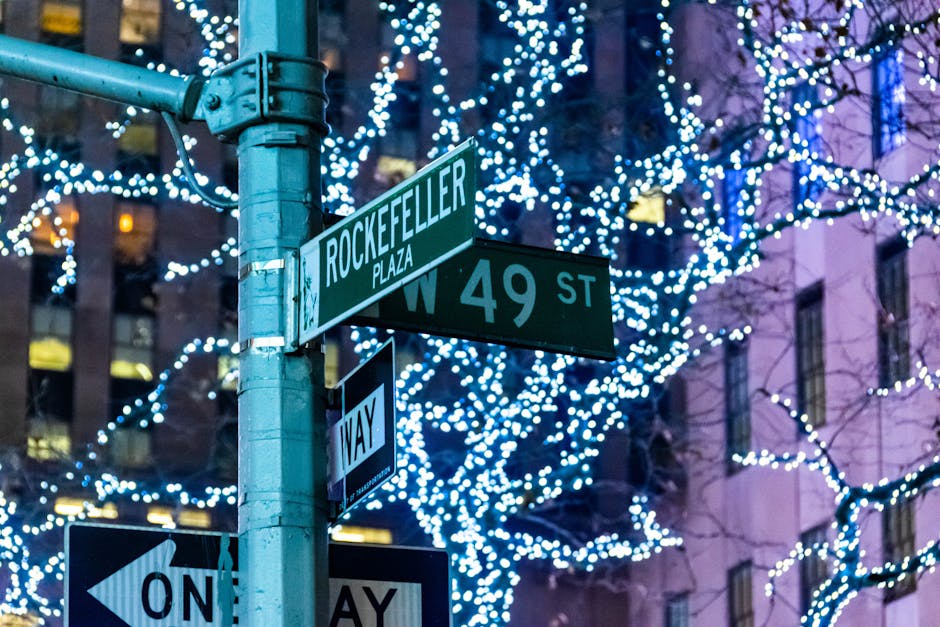
The Times Square New Year's Eve ball has dropped every year since 1907, except during the 1942 and 1943 wartime blackouts. The current ball, introduced in 2008, weighs nearly six tons, measures 12 feet in diameter, and features 2,688 Waterford crystals illuminated by 32,256 LED lights. The tradition began when city officials sought an alternative to the dangerous fireworks displays previously used to celebrate the new year in Times Square.

12. Mother's Day's Anti-Commercialism Backlash

Anna Jarvis, who founded Mother's Day in 1908 and successfully lobbied for its recognition as a federal holiday in 1914, later denounced the holiday's commercialization. She spent her later years and personal fortune fighting the greeting card and floral industries, even attempting to abolish the holiday she created. Despite her objections, Americans now spend over $25 billion annually on Mother's Day gifts, making it one of the year's biggest retail events.

13. Easter's Egg Roll Tradition at the White House

The White House Easter Egg Roll has occurred since 1878, making it the oldest annual event held at the Executive Mansion. The tradition moved to the White House lawn after Congress banned the previous egg rolling activities at the Capitol grounds due to grass damage. President Rutherford B. Hayes officially opened the White House grounds for the event, which now attracts approximately 30,000 visitors annually and includes activities far beyond the original egg rolling races.

14. Juneteenth's Recent Federal Recognition

Juneteenth, celebrating the end of slavery in the United States, became a federal holiday in 2021, making it the newest American federal holiday. The date commemorates June 19, 1865, when Union General Gordon Granger announced in Galveston, Texas, that all enslaved people were free—two and a half years after the Emancipation Proclamation. Texas made it a state holiday in 1980, and it gradually gained recognition across other states before achieving federal status.

15. Columbus Day's Controversial Evolution

Columbus Day became a federal holiday in 1937, largely due to lobbying by Italian-American groups who saw Christopher Columbus as a symbol of Italian heritage. However, growing awareness of colonization's devastating impact on Indigenous peoples has led many jurisdictions to replace it with Indigenous Peoples' Day. This shift represents evolving American perspectives on history and whose stories deserve commemoration, with some places now observing both holidays while others have completely replaced Columbus Day.

Conclusion

American holidays represent far more than days off work—they embody the nation's complex history, cultural evolution, and ongoing conversations about values and identity. From disputed origins and commercial transformations to recent additions and changing perspectives, these 15 facts demonstrate how holidays adapt to reflect contemporary American society while honoring traditions. Understanding these nuances enriches appreciation for how Americans commemorate significant events, honor heroes, and celebrate shared cultural moments throughout the year.