











American Basement Rec Room Evolution from the 1960s to Today

1 / 10 Questions
0 Points

What 1960s furniture staple became synonymous with basement rec rooms and featured modular pieces you could rearrange for flexible seating?

Wassily chairs

Bean bag chairs

Eames loungers

Sectional sofas

Points won
0
Correct score
0%

More Questions

More Articles

18 Fun Facts About American Festivals You’ll Wish You Knew

18 Fun Facts About American Festivals You’ll Wish You Knew

⏱️ 6 min read

America's festival scene is a vibrant tapestry of cultural celebrations, quirky traditions, and massive gatherings that attract millions of visitors each year. From coast to coast, these events showcase the diversity and creativity that define the American spirit. Behind the music, food, and festivities lie fascinating stories and surprising details that even frequent festival-goers might not know. Here are eighteen remarkable facts about American festivals that will change the way you view these beloved celebrations.

Historical Origins and Surprising Beginnings

Mardi Gras Wasn't Always About New Orleans

While New Orleans is synonymous with Mardi Gras today, the first American Mardi Gras celebration actually took place in Mobile, Alabama, in 1703. The tradition was brought to the Gulf Coast by French explorer Pierre Le Moyne d'Iberville, making Mobile's celebration fifteen years older than New Orleans'. The city still celebrates with elaborate parades and mystic societies that predate their Louisiana counterparts.

Burning Man Started on a San Francisco Beach

Before becoming the massive desert gathering in Nevada's Black Rock Desert, Burning Man began in 1986 when founder Larry Harvey and friends burned an eight-foot wooden effigy on Baker Beach in San Francisco. The impromptu celebration attracted curious onlookers, and the ritual continued for several years before outgrowing the beach and relocating to the Nevada desert in 1990.

Coachella's Agricultural Roots

The Coachella Valley Music and Arts Festival takes its name from the Coachella Valley, which derives from a Spanish misspelling of "Conchilla," a local Native American tribe. The valley is famous for date farming, and the festival grounds are surrounded by agricultural land that produces some of America's finest dates and citrus fruits.

Record-Breaking Festival Facts

Summerfest Holds the Guinness World Record

Milwaukee's Summerfest isn't just Wisconsin's largest music festival—it's officially the world's largest music festival according to Guinness World Records. The eleven-day event attracts approximately 800,000 visitors annually and features over 800 performances across multiple stages along Lake Michigan's shoreline.

The Rose Parade's Uninterrupted Century

Pasadena's Tournament of Roses Parade has taken place every New Year's Day since 1890 without a single cancellation. The only exception was in 1942, 1943, and 1945, when the parade was held at the Rose Bowl stadium instead of on the streets due to World War II security concerns, but the tradition continued nonetheless.

Albuquerque's Sky-High Numbers

The Albuquerque International Balloon Fiesta is the largest hot air balloon festival in the world, featuring over 500 balloons during its nine-day run each October. The event creates the most photographed occurrence in the world during its mass ascensions, when hundreds of balloons take flight simultaneously at sunrise.

Unique Traditions and Quirky Customs

Kentucky Derby's Mint Julep Economy

Churchill Downs serves approximately 120,000 mint juleps during the Kentucky Derby weekend each May. The festival goes through nearly 1,000 pounds of freshly harvested mint and 60,000 pounds of ice to create this signature beverage, generating millions in revenue from this single drink alone.

Groundhog Day's Weather Prediction Accuracy

Punxsutawney Phil, the famous groundhog from Pennsylvania's Groundhog Day festival, has seen his shadow 105 times since records began in 1887, predicting six more weeks of winter. However, meteorological studies show Phil's predictions are only accurate about 39% of the time, making him less reliable than a coin flip.

Comic-Con's Humble Beginning

San Diego Comic-Con International, which now attracts over 135,000 attendees annually, started in 1970 with just 300 people gathered in the basement of the U.S. Grant Hotel. The first event was a one-day "minicon" called San Diego's Golden State Comic-Minicon, charging an admission fee of one dollar.

Economic and Cultural Impact

South by Southwest's Austin Takeover

SXSW generates over $350 million in economic impact for Austin, Texas, each year. The festival has grown from a small music event in 1987 to a massive convergence of music, film, and interactive media that transforms the entire city for ten days, occupying hundreds of venues and creating thousands of temporary jobs.

Oktoberfest's Munich-to-America Journey

While Germany's Oktoberfest is world-famous, the largest Oktoberfest celebration outside of Munich takes place in Zinzinnati (Cincinnati), Ohio. The festival began in 1976 and now attracts over 500,000 visitors annually, serving authentic German food, beer, and entertainment across multiple city blocks.

Electric Daisy Carnival's Massive Production

The Electric Daisy Carnival in Las Vegas requires over 700 trucks to transport its equipment and stages. The festival's production setup takes an entire month and involves more than 1,000 construction workers. The event uses enough electricity during its three-day run to power a small city.

Food Festival Phenomena

Maine Lobster Festival's Crustacean Consumption

The Maine Lobster Festival in Rockland serves over 20,000 pounds of lobster during its five-day celebration each August. Volunteers steam the lobsters in the world's largest lobster cooker, which can prepare 5,000 pounds at once, ensuring fresh seafood for the thousands of attendees who travel from around the globe.

Gilroy Garlic Festival's Aromatic Legacy

California's Gilroy Garlic Festival, which ran for 41 years before being discontinued in 2020, celebrated the "stinking rose" in every possible culinary application, including garlic ice cream. At its peak, the festival attracted 100,000 visitors and raised millions for local charities, making it one of the most successful food festivals in American history.

Modern Festival Innovations

Bonnaroo's Sustainable Camping City

Tennessee's Bonnaroo Music Festival creates a temporary city of 80,000 people on a 700-acre farm each June. The festival has implemented extensive sustainability programs, including solar-powered stages, composting toilets, and recycling initiatives that divert over 50% of waste from landfills, setting standards for eco-friendly festival production.

Sturgis Motorcycle Rally's Economic Engine

The Sturgis Motorcycle Rally in South Dakota, which began in 1938 with just nine racers, now attracts over 500,000 motorcycle enthusiasts annually to a town with a permanent population of fewer than 7,000 residents. The ten-day event generates over $800 million in economic impact for the region.

Cultural Heritage Celebrations

Alaskan Native Heritage Festival's Cultural Preservation

The Alaska Federation of Natives Convention, the largest annual gathering of Native peoples in the United States, brings together over 5,000 participants representing 229 tribes. The event serves not only as a celebration but also as a crucial platform for discussing indigenous rights, cultural preservation, and policy issues affecting Native communities.

Spoleto Festival's Charleston Transformation

Spoleto Festival USA in Charleston, South Carolina, presents over 150 performances across 17 days each spring, featuring opera, theater, dance, and music. Founded in 1977 as the American counterpart to Italy's Festival dei Due Mondi, it has become the nation's most comprehensive performing arts festival, transforming Charleston into a cultural epicenter that rivals major metropolitan arts scenes.

Conclusion

American festivals represent far more than simple entertainment—they are living expressions of cultural identity, economic powerhouses, and innovative gathering spaces that bring communities together. From the historical traditions that connect us to our past to the modern mega-festivals that push technological and artistic boundaries, these celebrations reflect the dynamic nature of American culture. Whether attracting hundreds of thousands to desert gatherings, creating temporary cities in rural farmland, or preserving indigenous traditions, American festivals continue to evolve while maintaining the communal spirit that makes them essential to the nation's cultural landscape. These eighteen facts only scratch the surface of the rich stories and fascinating details that make American festivals truly remarkable.
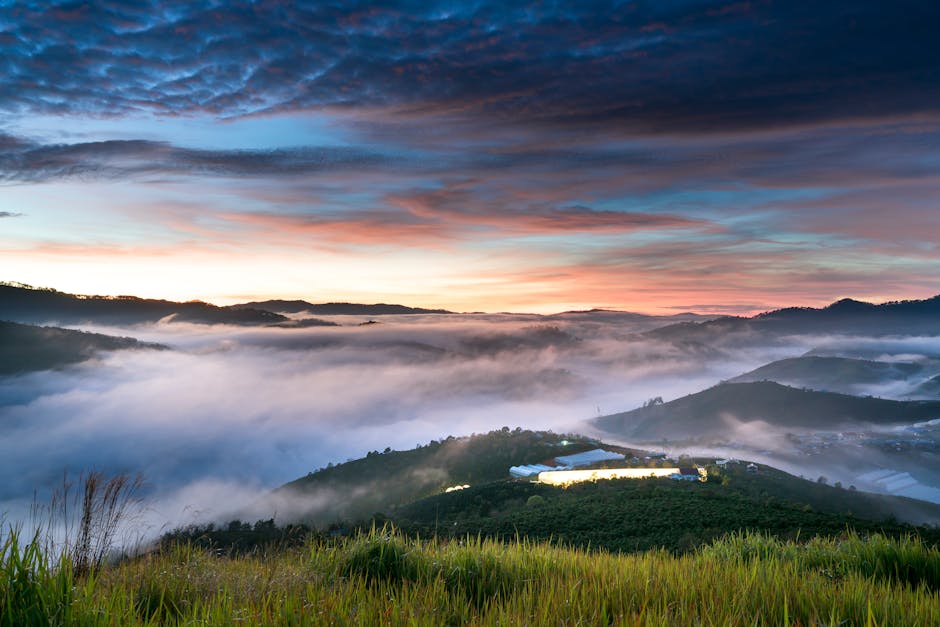
18 Fascinating Facts About the Caucasus Mountains

18 Fascinating Facts About the Caucasus Mountains

⏱️ 6 min read

Stretching between the Black Sea and the Caspian Sea, the Caucasus Mountains form one of the most dramatic and culturally significant mountain ranges on Earth. This natural barrier has shaped civilizations, harbored unique ecosystems, and continues to captivate geographers, adventurers, and scientists alike. From towering peaks to ancient legends, these mountains hold secrets that reveal much about our planet's geological history and human heritage.

Geographic and Geological Wonders

Europe's Highest Peak Resides Here

Mount Elbrus, standing at 5,642 meters (18,510 feet) above sea level, claims the title of Europe's highest mountain. This dormant volcano features twin summits and is covered by massive glaciers that feed numerous rivers flowing from its slopes. The mountain's prominence has made it a bucket-list destination for mountaineers worldwide, though the debate continues whether Elbrus truly belongs to Europe or Asia.

A Natural Continental Divide

The Caucasus Mountains serve as one of the primary geographic boundaries between Europe and Asia. This mountain system stretches approximately 1,200 kilometers across the region, creating a formidable natural barrier that has influenced migration patterns, trade routes, and political boundaries throughout human history. The Greater Caucasus range forms the main watershed divide.

Two Distinct Mountain Ranges in One System

The Caucasus actually comprises two separate ranges: the Greater Caucasus to the north and the Lesser Caucasus to the south. The Greater Caucasus is more imposing, featuring higher peaks and more dramatic relief, while the Lesser Caucasus consists of lower mountains and volcanic plateaus. Between these ranges lies the fertile Transcaucasian Depression.

Relatively Young Geological Formation

These mountains are geologically young, having formed primarily during the Alpine orogeny between 28 and 23 million years ago. The range continues to rise today due to the ongoing collision between the Arabian and Eurasian tectonic plates, which pushes the crust upward at a rate of several millimeters per year, making the region seismically active.

Biodiversity and Climate Characteristics

An Exceptionally Diverse Climate Spectrum

The Caucasus region experiences remarkable climate diversity within a relatively compact area. The western slopes receive abundant precipitation from Black Sea moisture, creating lush forests and alpine meadows. Meanwhile, the eastern portions near the Caspian Sea exhibit semi-arid conditions. Elevation changes create multiple climate zones from subtropical lowlands to arctic conditions at high altitudes.

Biodiversity Hotspot of Global Importance

Recognized as one of the world's 36 biodiversity hotspots, the Caucasus harbors approximately 6,400 plant species, with nearly one-quarter found nowhere else on Earth. This exceptional diversity results from the region's varied microclimates, geographic isolation, and role as a refugium during ice ages when species survived here while disappearing elsewhere in Europe.

Home to Unique Endemic Species

The mountains support numerous endemic animals, including the critically endangered Caucasian leopard, the East Caucasian tur (a mountain goat species), and the Caucasian grouse. The region also hosts brown bears, lynx, wolves, and the Caucasian viper. Many species survived ice ages in these mountains, making it a living museum of ancient biodiversity.

Ancient Forest Ecosystems Persist

The Caucasus contains some of Europe's last remaining old-growth temperate forests, with Colchic forests on the western slopes being particularly significant. These forests feature tree species like the Caucasian oak, oriental beech, and Nordmann fir, creating ecosystems that have remained relatively unchanged for thousands of years.

Cultural and Historical Significance

Linguistic Diversity Unmatched Anywhere

The Caucasus region is renowned as one of the most linguistically diverse areas on Earth, with over 50 distinct languages from three different language families: Kartvelian, Northwest Caucasian, and Northeast Caucasian. Some villages separated by just a few valleys speak mutually unintelligible languages, reflecting centuries of geographic isolation.

Birthplace of Ancient Mythologies

Greek mythology placed many significant legends in the Caucasus Mountains. Most famously, Prometheus was said to be chained to a Caucasus peak as punishment for giving fire to humanity. The region also features prominently in the tale of Jason and the Argonauts' quest for the Golden Fleece in Colchis, modern-day Georgia.

One of Wine's Earliest Birthplaces

Archaeological evidence from Georgia, located in the Caucasus region, suggests wine production began here approximately 8,000 years ago, making it one of humanity's oldest winemaking regions. Ancient clay vessels called qvevri, still used today, have been found containing wine residue dating back millennia.

Strategic Military Importance Throughout History

The Caucasus Mountains have served as a strategic military barrier for millennia. The famous Darial Gorge provided one of few passable routes through the range, leading to the construction of numerous fortresses. Russian expansion southward in the 19th century led to prolonged conflicts, while World War II saw fierce fighting as Nazi Germany attempted to reach the region's oil fields.

Natural Resources and Modern Significance

Rich Mineral and Energy Resources

The Caucasus region contains significant deposits of various minerals and fossil fuels. Azerbaijan's oil fields near Baku have been exploited for over a century and remain economically vital. The mountains also contain deposits of copper, gold, silver, molybdenum, and other valuable minerals that have been mined since ancient times.

Critical Water Source for Millions

Glaciers and snowpack in the Caucasus Mountains feed numerous major rivers, including the Kura, Rioni, and Terek. These rivers provide drinking water, irrigation, and hydroelectric power for millions of people across Georgia, Armenia, Azerbaijan, and southern Russia. Climate change threatens these water resources as glaciers rapidly retreat.

Geothermal Activity and Hot Springs

The region's volcanic and tectonic activity has created numerous hot springs and geothermal areas. These natural spas have been utilized for therapeutic purposes since ancient times, with many developing into resort towns. The geothermal gradient in certain areas also presents opportunities for renewable energy development.

Tourism and Alpine Recreation Growth

The Caucasus Mountains are experiencing growing interest from adventure tourists and mountaineers. Beyond Mount Elbrus, peaks like Kazbek and Shkhara attract climbers, while the region offers exceptional opportunities for hiking, skiing, and cultural tourism. The development of mountain resorts, particularly for the 2014 Sochi Winter Olympics, has increased accessibility.

Conservation Challenges

Protected Areas Safeguard Unique Ecosystems

Several national parks and nature reserves protect portions of the Caucasus, including the UNESCO World Heritage-listed Western Caucasus and Caucasus Nature Reserve in Russia. These protected areas preserve critical habitats for endangered species and maintain ecosystem services. However, only a fraction of the range receives formal protection.

Climate Change Impacts Accelerate

The Caucasus glaciers are retreating at alarming rates due to climate change, with some estimates suggesting they could lose 50-90% of their volume by century's end. This retreat threatens water supplies, increases natural hazard risks, and disrupts ecosystems adapted to cold conditions. Rising temperatures also enable species to colonize higher elevations, potentially displacing endemic alpine species.

Conclusion

The Caucasus Mountains represent far more than a geographic feature—they embody the intersection of geology, biology, culture, and history. From hosting Europe's highest peak to sheltering unique languages and species, these mountains have profoundly influenced both natural systems and human civilization. As climate change and development pressures mount, understanding and preserving the Caucasus becomes increasingly urgent. These eighteen facts only scratch the surface of what makes this mountain range truly fascinating, inviting continued exploration and appreciation of one of Earth's most remarkable regions.