










Alcoholic Drinks That Were Created for Children

1 / 10 Questions
0 Points

Which bitter Italian liqueur was originally marketed as a medicinal digestive tonic in the 1800s?

Campari

Cynar

Fernet-Branca

Aperol

Points won
0
Correct score
0%

More Questions

More Articles

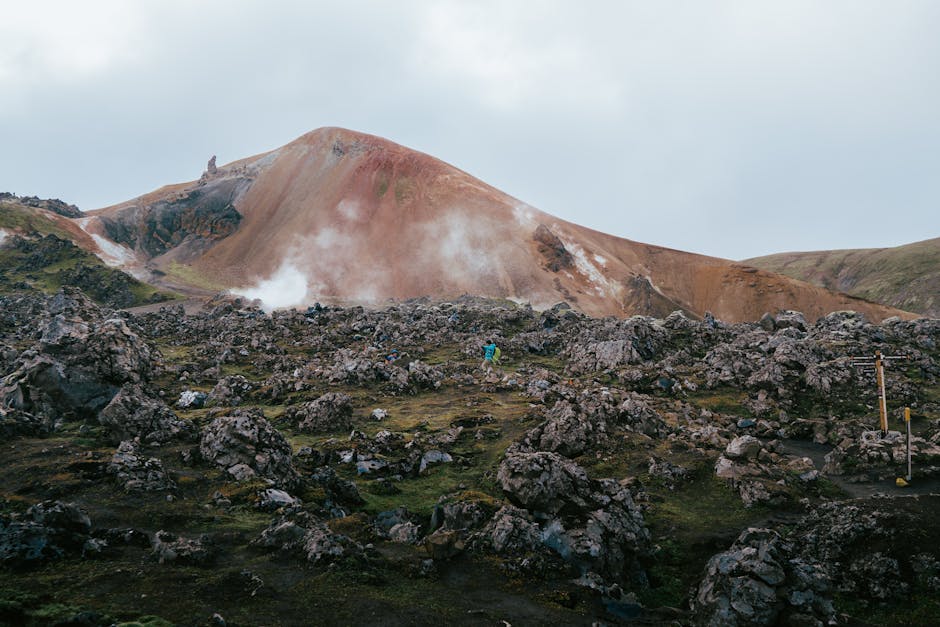
Top 10 Natural Landmarks You Need to Explore

Top 10 Natural Landmarks You Need to Explore

⏱️ 4 min read

Top 10 Natural Landmarks You Need to Explore

Nature has blessed our planet with extraordinary landmarks that showcase Earth's raw beauty and geological magnificence. From towering mountains to deep canyons, these natural wonders attract millions of visitors annually. Here are ten remarkable natural landmarks that deserve a spot on every explorer's bucket list.

1. Grand Canyon, United States

Carved by the Colorado River over millions of years, the Grand Canyon stands as one of Earth's most impressive geological features. Stretching 277 miles long, up to 18 miles wide, and over a mile deep, this natural wonder showcases billions of years of rock layers and geological history. The canyon's striking red and orange hues, combined with its massive scale, create an unforgettable sight that draws over 6 million visitors annually.

2. Great Barrier Reef, Australia

As the world's largest coral reef system, the Great Barrier Reef spans over 1,500 miles along Australia's eastern coast. This living structure comprises over 2,900 individual reefs and 900 islands, hosting an incredible diversity of marine life. The reef system is home to more than 1,500 species of tropical fish, 400 types of hard coral, one-third of the world's soft corals, and 134 species of sharks and rays.

3. Mount Everest, Nepal/Tibet

Standing at 29,029 feet (8,848 meters), Mount Everest is Earth's highest peak above sea level. Part of the Himalayan mountain range, this majestic mountain has captured human imagination for centuries. While reaching its summit remains an ultimate achievement for mountaineers, even viewing Everest from base camp offers an awe-inspiring experience of nature's grandeur.

4. Victoria Falls, Zambia/Zimbabwe

Known locally as Mosi-oa-Tunya ("The Smoke that Thunders"), Victoria Falls is the world's largest waterfall by combined height and width. The falls drop 355 feet as the Zambezi River plunges into a narrow gorge, creating a spectacular display of rushing water and mist visible from miles away. During peak flow, over 500 million liters of water cascade over the falls every minute.

5. Northern Lights (Aurora Borealis), Arctic Circle

This natural light display in Earth's sky predominantly occurs in high-latitude regions. The Northern Lights create spectacular shows of dancing lights in various colors, primarily green and pink. Best viewed from locations like Iceland, Norway, and Alaska, this phenomenon results from collisions between electrically charged particles from the sun entering Earth's atmosphere.

6. Salar de Uyuni, Bolivia

The world's largest salt flat, spanning over 4,086 square miles, Salar de Uyuni creates a surreal landscape of white salt crust stretching to the horizon. During rainy season, a thin layer of water transforms the salt flat into the world's largest natural mirror, reflecting the sky in a breathtaking display. The area also contains half of the world's lithium reserves.

7. Ha Long Bay, Vietnam

This UNESCO World Heritage site features thousands of limestone karsts and isles rising dramatically from emerald waters. Formed over millions of years of geological activity, Ha Long Bay's approximately 1,600 islands and islets create a mystical seascape. Many of these limestone formations contain caves and grottoes, adding another layer of natural wonder to explore.

8. Santorini Caldera, Greece

Created by one of history's largest volcanic eruptions around 1600 BCE, the Santorini Caldera is a prime example of nature's destructive yet creative force. The circular water-filled caldera spans roughly 12 by 7 kilometers, with walls rising 300 meters above the water. The dramatic cliffs and volcanic islands provide insight into Earth's geological processes while offering stunning views.

9. Sahara Desert, North Africa

As the world's largest hot desert, the Sahara covers an area of approximately 3.6 million square miles. This vast landscape features ever-changing sand dunes, some reaching heights of over 500 feet. Despite its harsh conditions, the Sahara showcases unique geological formations, ancient lake beds, and rare desert ecosystems that have adapted to extreme conditions.

10. Paricutin Volcano, Mexico

One of the youngest volcanoes on Earth, Paricutin emerged suddenly from a cornfield in 1943 and continued to grow for nine years. This cinder cone volcano provides a unique opportunity to study volcanic formation and growth, as it's the first volcano whose complete life cycle has been documented from birth. The surrounding landscape, including partially buried churches, serves as a testament to nature's raw power.

Conclusion

These ten natural landmarks represent some of Earth's most spectacular geological and natural phenomena. Each site offers unique insights into our planet's processes and history while providing unforgettable experiences for visitors. From the depths of the ocean to the highest mountain peaks, these landmarks remind us of nature's incredible diversity and power. Their preservation remains crucial for future generations to witness and appreciate Earth's natural wonders.
Did You Know These 15 Facts About the Great Wall’s History?

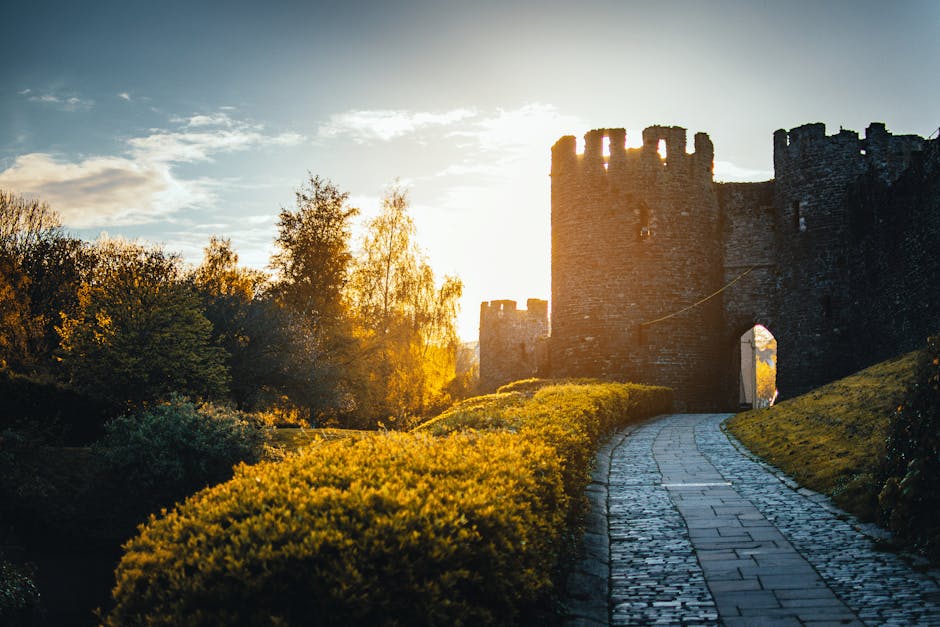
Did You Know These 15 Facts About the Great Wall’s History?

⏱️ 4 min read

Did You Know These 15 Facts About the Great Wall's History?

The Great Wall of China stands as one of humanity's most remarkable architectural achievements, spanning thousands of miles across China's northern borders. While many know it as a popular tourist destination, the wall harbors numerous fascinating historical facts that often surprise even history enthusiasts. Here are 15 lesser-known facts about this magnificent structure's history.

1. Multiple Dynasties Built It

Contrary to popular belief, the Great Wall wasn't built by a single dynasty. Construction began during the Spring and Autumn Period (771-476 BCE) and continued through numerous dynasties, including the Qin, Han, Sui, and Ming dynasties, each adding their own sections and modifications.

2. Not Actually Visible from Space

Despite the common myth, the Great Wall is not visible from space with the naked eye. This misconception began in 1932 and persisted until astronauts confirmed otherwise. Only certain parts can be seen from low Earth orbit under specific conditions.

3. The Original Mortar Recipe

The mortar used to bind the stones was made with a unique ingredient: sticky rice soup mixed with lime. This mixture proved remarkably strong, creating a super-strong adhesive that helped the wall survive for centuries.

4. Length Controversy

The wall's total length remains debated. Recent archaeological surveys suggest it spans approximately 21,196 kilometers (13,171 miles), including all branches. This is significantly longer than previously thought.

5. Construction Cost Millions of Lives

Historical records indicate that between 400,000 and 1 million workers died during the wall's construction. Many were buried within the wall itself, earning it the nickname "the longest cemetery in the world."

6. Military Communication System

The wall featured an advanced signal system using smoke signals, beacon fires, and drum beats to warn of enemy approaches. This system could send messages across hundreds of kilometers within hours.

7. Non-Defensive Functions

Beyond military defense, the wall served as a customs barrier, regulating trade along the Silk Road. It also helped enforce duties on goods transported along the trade route.

8. Different Building Materials

Early sections were made primarily of rammed earth and wood. Only during the Ming Dynasty (1368-1644) did stone and brick become the primary building materials, creating the iconic appearance we know today.

9. The Wall as a Road

The wall's top served as a military highway, allowing rapid deployment of troops and supplies across the empire. Its width allowed five horsemen to ride abreast in many sections.

10. Cultural Preservation Challenges

During the Cultural Revolution (1966-1976), many sections were deliberately destroyed, with stones used for building houses and roads. This destruction prompted later preservation efforts.

11. Astronomical Alignments

Some sections were built with astronomical considerations, aligning with the summer and winter solstices. These alignments helped ancient Chinese astronomers make calendar calculations.

12. Multiple Wall Systems

What we call "The Great Wall" is actually a series of multiple walls built by different dynasties, often parallel to each other. Some sections are hundreds of kilometers apart.

13. International Influences

The wall's construction techniques influenced fortification building across Asia. Similar defensive walls appeared in Korea and other neighboring regions, inspired by Chinese engineering.

14. Environmental Impact

Building the wall required massive deforestation for materials and clear sight lines, significantly impacting northern China's ecosystem. These environmental changes are still visible today.

15. Modern Discoveries Continue

As recently as 2012, archaeologists discovered previously unknown sections of the wall using advanced remote sensing technology. Some newly found portions are in Mongolia and other regions outside China's current borders.

Conclusion

The Great Wall of China represents far more than just a barrier against invaders. These 15 facts reveal its complex history as a marvel of engineering, a symbol of human determination, and a testament to ancient Chinese civilization's technological and organizational capabilities. From its varying construction methods to its multiple purposes and continuing archaeological discoveries, the Great Wall continues to fascinate researchers and visitors alike, offering new insights into one of humanity's greatest architectural achievements.

Understanding these lesser-known aspects helps appreciate not just the wall's physical presence but its profound impact on Chinese history, culture, and the development of human civilization. As modern preservation efforts continue, these historical facts become increasingly valuable in understanding and protecting this remarkable heritage site for future generations.