








Supreme Court Landmark Cases

1 / 10 Questions
0 Points

Which 1803 Supreme Court case gave the justices power to strike down unconstitutional laws?

Marbury v. Madison

Gibbons v. Ogden

McCulloch v. Maryland

Fletcher v. Peck

Points won
0
Correct score
0%

More Questions

More Articles

Fun US Trivia: 18 Facts About the American Outdoors

Fun US Trivia: 18 Facts About the American Outdoors

⏱️ 7 min read

The United States is home to some of the most diverse and breathtaking natural landscapes on Earth. From towering mountain ranges to vast desert expanses, from ancient forests to stunning coastlines, the American outdoors offers endless opportunities for discovery and adventure. The natural wonders scattered across this vast nation tell stories of geological marvels, ecological diversity, and the ongoing efforts to preserve these treasures for future generations. Here are eighteen fascinating facts that showcase the remarkable beauty and uniqueness of America's great outdoors.

Natural Wonders and Geographic Marvels

Yellowstone: The World's First National Park

Established in 1872, Yellowstone National Park holds the distinction of being the first national park in the world. This groundbreaking designation set a precedent for conservation efforts globally. Spanning across Wyoming, Montana, and Idaho, Yellowstone sits atop a massive supervolcano and contains more than half of the world's active geysers, including the famous Old Faithful, which erupts approximately every 90 minutes.

The Grand Canyon's Incredible Age

The Grand Canyon reveals nearly two billion years of Earth's geological history in its colorful layers of rock. Carved by the Colorado River over millions of years, this natural wonder stretches 277 miles long, up to 18 miles wide, and plunges more than a mile deep. The canyon's diverse ecosystems range from desert conditions at the rim to lush vegetation near the river below.

Alaska's Glacier Bay Contains More Ice Than the Swiss Alps

Glacier Bay National Park in Alaska is home to more than 1,000 glaciers, with the combined ice mass exceeding that found in all of Switzerland's glaciers. This pristine wilderness offers visitors the chance to witness the dramatic process of glacial calving, where massive chunks of ice break off and crash into the sea, creating thunderous sounds and spectacular waves.

Death Valley Holds the Heat Record

Death Valley, California, recorded the highest reliably measured air temperature on Earth at 134 degrees Fahrenheit on July 10, 1913. Despite its forbidding name and extreme conditions, this desert valley supports a surprising variety of life, including the endangered pupfish that live in isolated spring-fed pools, having adapted to survive in water temperatures that would be lethal to most fish species.

Forest Wonders and Ancient Trees

The Giant Sequoias Are Earth's Largest Living Things

California's giant sequoia trees are the largest living organisms on the planet by volume. The largest known specimen, General Sherman, stands 275 feet tall and measures over 36 feet in diameter at its base. These magnificent trees can live for more than 3,000 years and are found naturally only in a limited area along the western slopes of California's Sierra Nevada mountains.

America Has More Than 100 Million Acres of Wilderness

The United States has designated more than 100 million acres as protected wilderness areas across 44 states. These pristine lands, protected under the Wilderness Act of 1964, remain largely untouched by human development and provide crucial habitat for wildlife while offering visitors opportunities for primitive recreation and solitude.

The Tongass National Forest Is a Temperate Rainforest Giant

Alaska's Tongass National Forest is the largest national forest in the United States, covering 16.7 million acres. This coastal temperate rainforest receives abundant rainfall, creating a lush environment where massive Sitka spruce and western hemlock trees tower overhead, and wildlife including bears, wolves, and eagles thrive in the dense vegetation.

Water Features and Coastal Wonders

The Great Lakes Hold One-Fifth of the World's Fresh Surface Water

The five Great Lakes—Superior, Michigan, Huron, Erie, and Ontario—contain approximately 84 percent of North America's surface fresh water and about 21 percent of the world's supply. Lake Superior alone contains enough water to flood both North and South America to a depth of one foot. These massive bodies of water create their own weather patterns and support diverse ecosystems.

Crater Lake Is America's Deepest Lake

Oregon's Crater Lake, formed in the collapsed caldera of an ancient volcano, reaches depths of 1,943 feet, making it the deepest lake in the United States. The lake's remarkable blue color results from its exceptional depth and clarity, as it contains some of the purest water in the world, fed only by rain and snowmelt with no rivers flowing in or out.

The Mississippi River System Drains Water From 31 States

The mighty Mississippi River and its tributaries drain all or parts of 31 U.S. states, covering approximately 1.2 million square miles. This massive watershed system delivers water from as far west as Montana and as far east as Pennsylvania to the Gulf of Mexico, playing a crucial role in American commerce, ecology, and history.

Wildlife and Ecological Diversity

Denali Is North America's Tallest Peak

Denali, formerly known as Mount McKinley, rises 20,310 feet above sea level in Alaska, making it the highest mountain peak in North America. The mountain's base-to-summit rise is one of the largest on Earth, creating a dramatic and challenging environment that attracts mountaineers from around the world.

The Everglades Is the Only Place Where Alligators and Crocodiles Coexist

Florida's Everglades is the only ecosystem on Earth where American alligators and American crocodiles naturally coexist. This unique "River of Grass" covers 1.5 million acres and supports an incredible diversity of wildlife, including the endangered Florida panther and over 350 bird species.

Carlsbad Caverns Contains One of the World's Largest Underground Chambers

New Mexico's Carlsbad Caverns National Park features the Big Room, one of the largest natural limestone chambers in the Western Hemisphere. This massive underground space measures 4,000 feet long, 625 feet wide, and 255 feet high at its tallest point. The caverns formed over millions of years through the dissolution of limestone by sulfuric acid.

Conservation Success Stories

Bison Have Rebounded From Near Extinction

American bison, which once numbered in the tens of millions, were hunted to near extinction in the 19th century, with fewer than 1,000 individuals surviving by the 1890s. Thanks to conservation efforts, including protection in national parks and wildlife refuges, bison populations have rebounded to approximately 500,000 today, though most are in commercial herds rather than wild populations.

More Than 400 National Park Sites Preserve American Heritage

The National Park Service manages over 400 sites encompassing more than 84 million acres. These protected areas include not only famous national parks but also national monuments, seashores, historic sites, and recreation areas, all dedicated to preserving America's natural and cultural heritage for future generations.

The Appalachian Trail Spans 14 States

The Appalachian Trail extends approximately 2,190 miles from Georgia to Maine, passing through 14 states along the eastern United States. Completed in 1937, this iconic footpath traverses some of the oldest mountains on Earth and takes most thru-hikers five to seven months to complete, offering an immersive experience in America's eastern wilderness.

Unique Desert and Mountain Landscapes

Arches National Park Contains Over 2,000 Natural Stone Arches

Utah's Arches National Park protects more than 2,000 natural sandstone arches, the highest concentration of natural arches found anywhere in the world. These remarkable geological formations were created over millions of years through erosion, weathering, and the collapse of underground salt beds. The famous Delicate Arch has become an iconic symbol of Utah and the American West.

Hawaii Volcanoes National Park Features Active Volcanoes

Hawaii Volcanoes National Park on the Big Island provides visitors with the rare opportunity to witness active volcanic processes. Kilauea, one of the world's most active volcanoes, has been erupting almost continuously since 1983, creating new land as lava flows into the ocean. The park showcases the powerful geological forces that continue to shape the Hawaiian Islands, offering a glimpse into the dynamic nature of our planet.

Conclusion

The American outdoors represents an extraordinary collection of natural wonders that showcase the planet's geological diversity, ecological richness, and environmental significance. From the geothermal features of Yellowstone to the ancient stone arches of Utah, from the depths of the Grand Canyon to the heights of Denali, these natural treasures remind us of the importance of conservation and stewardship. The ongoing protection and preservation of these outdoor spaces ensure that future generations will have the opportunity to experience the awe-inspiring beauty and educational value of America's natural heritage. Whether exploring coastal waters, mountain peaks, desert landscapes, or ancient forests, the American outdoors continues to inspire wonder and appreciation for the natural world.
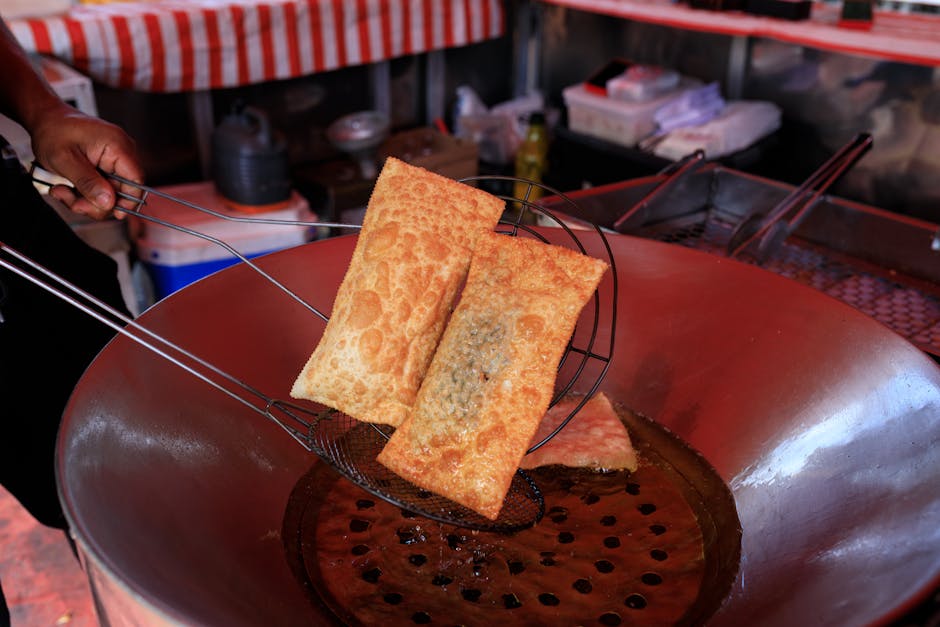
Fun Global Trivia: 18 Facts About Street Food

Fun Global Trivia: 18 Facts About Street Food

⏱️ 7 min read

Street food represents one of the most authentic and delicious ways to experience a culture's culinary traditions. From bustling Asian night markets to vibrant Latin American street corners, vendors have been serving quick, affordable, and flavorful meals for centuries. These mobile kitchens and roadside stalls offer more than just sustenance—they provide a window into local customs, ingredients, and cooking techniques that have been passed down through generations. Here are eighteen fascinating facts about street food from around the world that showcase its rich diversity and cultural significance.

The Historical and Cultural Significance of Street Food

Ancient Roman Street Food Culture

Street food is far from a modern invention. In ancient Rome, many urban dwellers lived in apartments without kitchens, called insulae, making them dependent on street vendors for their daily meals. Thermopolia, ancient Roman fast-food counters, served hot foods from large vessels embedded in stone counters. Archaeologists have discovered numerous examples in Pompeii, complete with menu items painted on walls and food remnants still preserved in the containers.

Bangkok's Street Food Vendor Population

Bangkok, Thailand, is often considered the street food capital of the world, with an estimated 20,000 street food vendors operating throughout the city. These vendors serve everything from pad thai to mango sticky rice, creating an integral part of the city's identity. However, the government has implemented various regulations over the years to manage sidewalk congestion, leading to ongoing debates about preserving this crucial aspect of Thai culture.

The Origins of Hot Dogs in America

The iconic American hot dog has German roots, brought to the United States by immigrants in the 19th century. The term "hot dog" allegedly originated at New York's Polo Grounds in the early 1900s, and the food quickly became synonymous with American street culture. Today, New Yorkers consume an estimated 1,500 hot dogs per minute during peak summer months from the city's numerous street carts.

Unique Street Food Traditions Around the Globe

Mexico's Taco Stand Traditions

In Mexico, street tacos represent a centuries-old tradition that varies dramatically by region. Taquerías and street stands often specialize in specific types of tacos, whether it's tacos al pastor with its Lebanese-influenced marinated pork, fish tacos from Baja California, or barbacoa made from slow-cooked meat. Many of these establishments operate only during specific hours, with some famous stands opening exclusively at night.

India's Chaat Culture

Chaat, a category of savory snacks popular throughout India, represents one of the subcontinent's most beloved street food traditions. These dishes combine contrasting flavors—sweet, sour, spicy, and tangy—often in a single bite. Popular chaat items include pani puri, bhel puri, and samosa chaat, with each region adding its own unique variations and secret spice blends passed down through families.

Japanese Yatai Mobile Food Stalls

Yatai are traditional Japanese mobile food stalls that emerge at night, particularly famous in cities like Fukuoka. These compact operations typically seat around seven people at a counter and serve items like ramen, oden, and yakitori. The yatai culture dates back to the Edo period, and sitting at these intimate stalls creates a unique social experience where strangers become temporary dining companions.

Turkish Simit's Daily Ritual

The simit, a circular bread covered in sesame seeds, has been sold on Turkish streets for over 500 years. Vendors carry these golden rings stacked on special trays or carts, and consuming a fresh simit with tea is a daily ritual for many Turks. Istanbul alone has thousands of simit vendors, making it one of the most ubiquitous street foods in the country.

Vietnam's Mobile Kitchens

Vietnamese street food vendors often carry their entire kitchen on shoulder poles, with a cooking apparatus on one side and ingredients on the other. This mobile approach allows vendors like those selling pho or banh mi to set up anywhere, creating impromptu restaurants on street corners. The practice demonstrates remarkable ingenuity in utilizing minimal space for maximum culinary output.

Street Food Economics and Innovation

The Billion-Dollar Street Food Industry

The global street food industry generates approximately $47 billion annually and continues to grow. In many developing nations, street food provides employment for millions of people and represents an accessible entry point into entrepreneurship. This informal economy sector often supports entire families and contributes significantly to urban food security.

Singapore's Hawker Centre Revolution

Singapore transformed street food from sidewalk carts into organized hawker centres, creating food courts that maintain street food's affordability while improving hygiene standards. These centres house dozens of vendors under one roof, and several hawker stalls have even earned Michelin stars, elevating street food to fine dining recognition while keeping prices remarkably low.

Colombia's Arepa Versatility

The arepa, a corn-based flatbread popular in Colombia and Venezuela, showcases incredible versatility as street food. Vendors stuff these griddled pockets with countless combinations of cheese, meat, beans, and vegetables. Each region has its signature style, and the arepa has become so culturally significant that there are festivals dedicated entirely to this humble street food.

Korean Street Toast Innovation

Korean street toast, or gilgeori toast, represents a fascinating fusion born from post-war creativity. Vendors combine eggs, vegetables, and sometimes ham or cheese between white bread, often adding sugar for a sweet-savory contrast. This breakfast staple emerged in the 1970s and has evolved into numerous variations, demonstrating how street food adapts to changing tastes.

Health, Safety, and Modern Adaptations

Morocco's Snail Soup Tradition

In Moroccan cities, particularly Marrakech, street vendors serve slow-cooked snail soup called "babouche" from large metal vats. This traditional remedy is believed to have medicinal properties and is seasoned with a complex blend of herbs and spices. Vendors ladle the broth into small bowls, and customers slurp the snails directly from their shells using toothpicks.

Brazil's Açaí Bowl Evolution

What began as a traditional Amazonian energy food has become a global street food phenomenon. Brazilian vendors originally served açaí as a savory dish with fish and tapioca, but it evolved into the sweet, smoothie-like bowl topped with granola and fruit that's now popular worldwide. This transformation demonstrates how street food can transcend its origins and create new culinary trends.

The Philippine's Balut Challenge

Balut, a fertilized duck egg with a partially developed embryo, represents one of the Philippines' most controversial street foods. Vendors sell these eggs warm, often late at night, and eating balut is considered both a delicacy and a test of culinary courage. The practice dates back centuries and remains deeply embedded in Filipino street food culture despite its polarizing nature.

Middle Eastern Falafel's Ancient Roots

Falafel, the deep-fried chickpea or fava bean balls, has been sold on Middle Eastern streets for over 1,000 years, with Egypt and Palestine both claiming its origin. These protein-rich fritters became popular throughout the region as an affordable, satisfying meal. Today, falafel stands operate on nearly every corner in cities across the Middle East, and the dish has gained international popularity as a vegetarian street food option.

Nigerian Suya's Spice Heritage

Suya, Nigeria's famous spiced meat skewers, showcases West African street food culture at its finest. Vendors coat thin strips of beef, chicken, or ram in a complex peanut-based spice mix called yaji before grilling them over open flames. Suya spots become social gathering places in the evening, where people enjoy the smoky, spicy meat wrapped in newspaper with sliced onions and fresh tomatoes.

Belgian Frites Perfection

Despite their name, French fries actually originated in Belgium, where street vendors have perfected the art of double-frying potatoes to achieve the ideal crispy exterior and fluffy interior. Belgian friteries serve these frites in paper cones with an array of sauces, and the tradition is so revered that Belgium has applied for UNESCO recognition of its fry culture as intangible cultural heritage.

Conclusion

Street food transcends mere convenience, serving as an edible archive of cultural history, economic innovation, and culinary creativity. These eighteen facts barely scratch the surface of the vast and varied world of street food, where every corner offers new flavors and stories. From ancient Roman thermopolia to modern Singapore hawker centres, street food has adapted and thrived across centuries and continents. Whether it's providing affordable nutrition, preserving traditional recipes, or launching global food trends, street food vendors continue to shape how millions of people eat, socialize, and experience culture. The next time you encounter a street food vendor, remember that you're not just buying a quick meal—you're participating in a rich, ongoing tradition that connects communities and celebrates the universal human need to gather, eat, and share stories.