








Medieval Castles and Their Defense Systems

1 / 10 Questions
0 Points
Points won
0
Correct score
0%

More Questions

More Articles

Did You Know? 20 Fun Facts About US Inventions

Did You Know? 20 Fun Facts About US Inventions

⏱️ 6 min read

The United States has been a powerhouse of innovation, producing countless inventions that have transformed everyday life around the globe. From household appliances to groundbreaking technology, American ingenuity has shaped the modern world in remarkable ways. These fascinating facts about US inventions reveal surprising origins, unexpected applications, and the creative minds behind some of history's most influential creations.

Revolutionary Innovations That Changed the World

1. The Traffic Light System Started with Two Colors

The first electric traffic light was installed in Cleveland, Ohio, in 1914 by James Hoge. Interestingly, it only featured red and green lights initially. The yellow caution light wasn't added until later, transforming how cities managed vehicle flow and significantly reducing accidents at intersections.

2. Benjamin Franklin's Lightning Rod Had a Musical Twist

While Benjamin Franklin is famous for inventing the lightning rod in 1752, he also created the glass armonica, a musical instrument that produced ethereal sounds from rotating glass bowls. Both Mozart and Beethoven composed music specifically for this American invention.

3. The Chocolate Chip Cookie Was a Happy Accident

In 1938, Ruth Wakefield at the Toll House Inn in Massachusetts invented chocolate chip cookies by accident. She expected chocolate pieces to melt into her cookie dough, but instead, they held their shape, creating one of America's most beloved desserts.

4. Assembly Line Production Revolutionized Manufacturing

Henry Ford didn't invent the automobile, but his introduction of the moving assembly line in 1913 revolutionized manufacturing worldwide. This innovation reduced the time to build a car from over 12 hours to just 93 minutes, making automobiles affordable for average Americans.

5. The ATM Prototype Used Radioactive Materials

Luther Simjian invented an early version of the ATM in 1939 in New York City. His Bankmatic machine used radioactive carbon to verify deposits. Although it didn't catch on immediately, his concept laid groundwork for modern automated banking.

Household Items with American Origins

6. Safety Pins Were Invented to Pay Off Debt

Walter Hunt invented the safety pin in 1849 to pay off a $15 debt. He designed and patented the device in just three hours, then sold the rights for $400. Today, billions of safety pins are produced annually worldwide.

7. The Microwave Oven Came from Radar Technology

Percy Spencer discovered microwave cooking in 1945 while working on radar equipment for Raytheon. A chocolate bar melted in his pocket near a magnetron, leading to the invention of the microwave oven, which would eventually become a kitchen staple.

8. Bubble Wrap Was Originally Designed as Wallpaper

In 1957, engineers Alfred Fielding and Marc Chavannes created bubble wrap while trying to make textured wallpaper. When that failed, they marketed it as greenhouse insulation before discovering its perfect use as protective packaging material.

9. The Zipper Took Decades to Perfect

While several inventors contributed to zipper development, Gideon Sundback, working in New Jersey, created the modern zipper in 1913. However, it wasn't called a "zipper" until the B.F. Goodrich Company used the term in 1923 for boots featuring the fastener.

10. Disposable Diapers Started with Shower Curtains

Marion Donovan invented the first waterproof disposable diaper in 1946 using a shower curtain. She later improved the design with absorbent paper, though manufacturers initially rejected her idea. The concept eventually became a multi-billion dollar industry.

Medical and Scientific Breakthroughs

11. Coca-Cola Was Originally Marketed as Medicine

Pharmacist John Pemberton invented Coca-Cola in 1886 in Atlanta, Georgia, as a patent medicine claiming to cure various ailments including headaches and nervous disorders. It contained coca leaf extract until 1903 and was initially sold at pharmacy soda fountains.

12. The Pacemaker Was a Garage Project

Wilson Greatbatch accidentally invented the implantable pacemaker in 1956 while building a heart rhythm recorder. He grabbed the wrong resistor, and the circuit produced electrical pulses perfect for regulating heartbeats, saving countless lives.

13. Super Glue Was Discovered Twice by Accident

Harry Coover discovered cyanoacrylate (Super Glue) in 1942 while trying to make clear plastic gun sights during World War II. He rediscovered its adhesive properties in 1951 and finally recognized its commercial potential, leading to its 1958 market release.

14. The Cotton Gin Transformed Agriculture

Eli Whitney's cotton gin, invented in 1793, could clean cotton fifty times faster than manual processing. This invention dramatically changed American agriculture and textile production, though it also had significant social and economic consequences.

Entertainment and Communication Innovations

15. The Phonograph Could Record and Playback Sound

Thomas Edison invented the phonograph in 1877, creating the first device capable of both recording and reproducing sound. His initial recording was "Mary Had a Little Lamb," marking the birth of the recording industry.

16. Television Technology Combined Multiple Innovations

Philo Farnsworth demonstrated the first fully electronic television system in 1927 at age 21. His image dissector camera tube made modern television possible, though he spent years fighting patent battles with RCA.

17. The Computer Mouse Started with a Wooden Shell

Douglas Engelbart invented the computer mouse in 1964 at Stanford Research Institute. The first prototype was handmade from wood with a single button. He called it a "mouse" because the tail-like cord came out the end.

18. Email Transformed Communication Forever

Ray Tomlinson sent the first email in 1971 while working on ARPANET. He chose the @ symbol to separate the user name from the computer name, a convention still used today in billions of email addresses worldwide.

Aviation and Transportation Advances

19. The Wright Brothers' First Flight Lasted 12 Seconds

Orville and Wilbur Wright achieved powered flight on December 17, 1903, in Kitty Hawk, North Carolina. The first flight covered 120 feet in 12 seconds, but by day's end, they had flown 852 feet in 59 seconds, launching the aviation age.

20. GPS Technology Has Military Origins

The Global Positioning System was developed by the US Department of Defense in 1973, becoming fully operational in 1995. Initially restricted to military use, GPS was made available to civilians and now guides billions of people daily through navigation apps.

The Legacy of American Innovation

These twenty inventions represent just a fraction of American contributions to global progress. From accidental discoveries to deliberate innovations, US inventors have consistently pushed boundaries and solved problems in creative ways. Many of these inventions emerged from unexpected circumstances, proving that innovation often requires curiosity, persistence, and willingness to see potential in mistakes. The impact of American ingenuity continues to influence modern life, with many of these inventions serving as foundations for further technological advancement. Understanding the origins of everyday items and groundbreaking technologies provides appreciation for the innovative spirit that continues to drive progress and improve lives worldwide.
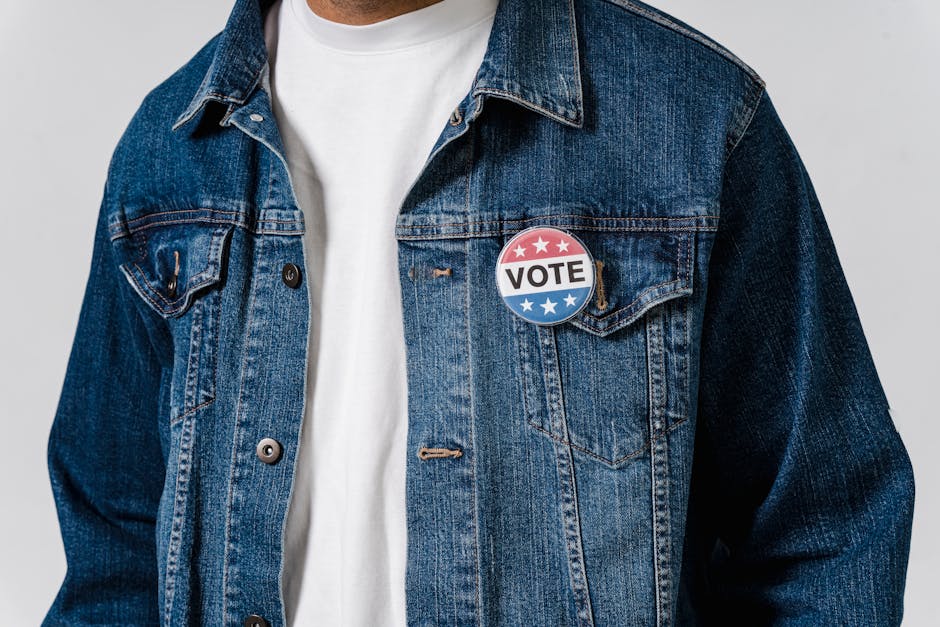
USA Trivia: 15 Facts About American Political Scandals

USA Trivia: 15 Facts About American Political Scandals

⏱️ 6 min read

American political history is marked by numerous scandals that have shaped public trust, reformed institutions, and sometimes ended careers overnight. From the earliest days of the republic to modern times, these controversies have revealed the human flaws and systemic weaknesses within government. Understanding these pivotal moments provides insight into how American democracy has evolved and adapted through crisis.

Major Political Scandals That Shaped America

1. Watergate: The Scandal That Toppled a Presidency

The Watergate scandal remains the most infamous political controversy in American history. Beginning with a break-in at the Democratic National Committee headquarters in 1972, the scandal eventually revealed a massive cover-up orchestrated by President Richard Nixon's administration. The investigation uncovered abuse of power, obstruction of justice, and illegal surveillance. Nixon became the first and only U.S. president to resign from office on August 9, 1974, facing certain impeachment. Watergate fundamentally changed how Americans view their elected officials and led to significant reforms in campaign finance and ethics laws.

2. The Teapot Dome Affair and Oil Corruption

One of the most significant pre-World War II scandals, the Teapot Dome scandal of the 1920s involved Secretary of the Interior Albert Fall accepting bribes to lease federal oil reserves to private companies. Fall became the first cabinet member in U.S. history to be convicted of crimes committed while in office and served prison time. This scandal during Warren G. Harding's administration exposed the corruption that could occur when public resources were secretly privatized for personal gain.

3. Iran-Contra: Secret Arms Deals and Cover-Ups

During the Reagan administration, senior officials secretly facilitated arms sales to Iran, which was under an arms embargo, and used the proceeds to fund Contra rebels in Nicaragua despite Congressional prohibition. The Iran-Contra affair of the mid-1980s resulted in multiple indictments and convictions, though several were later pardoned. This scandal raised serious questions about executive overreach and whether officials had operated a shadow foreign policy outside Constitutional bounds.

4. The Clinton-Lewinsky Scandal and Impeachment

President Bill Clinton's relationship with White House intern Monica Lewinsky led to his impeachment by the House of Representatives in 1998. Clinton was charged with perjury and obstruction of justice for lying under oath about the affair. Though acquitted by the Senate, the scandal dominated his second term and sparked national debates about personal conduct, the definition of truth, and whether private behavior should be grounds for removing a president from office.

5. The Crédit Mobilier Scandal of 1872

This Gilded Age scandal involved the Crédit Mobilier construction company, which was used to skim profits from the transcontinental railroad construction. Shares were distributed to members of Congress and even Vice President Schuyler Colfax to prevent investigation. When exposed, it revealed the extent to which corporate interests could corrupt the legislative process and led to censures and damaged political careers across both parties.

6. ABSCAM: The FBI Sting Operation

In the late 1970s and early 1980s, the FBI conducted an elaborate sting operation called ABSCAM, where agents posed as Arab sheiks offering bribes to politicians. The operation resulted in the conviction of one senator, six representatives, and various other officials for bribery and corruption. While successful in prosecuting corrupt officials, ABSCAM raised ethical questions about government entrapment and the methods used in corruption investigations.

7. The Whiskey Ring Tax Fraud Conspiracy

During Ulysses S. Grant's presidency in 1875, federal agents and distillers conspired to defraud the government of millions in tax revenue. The conspiracy involved Grant's personal secretary, Orville Babcock, and reached high into the administration. While Grant himself was not implicated, the scandal tarnished his presidency and demonstrated how organized corruption could infiltrate multiple levels of government.

8. The Pentagon Papers and Government Secrecy

In 1971, Daniel Ellsberg leaked classified documents revealing that multiple administrations had misled the public about the Vietnam War. The Pentagon Papers scandal sparked a constitutional crisis when the Nixon administration tried to prevent publication, leading to a landmark Supreme Court decision on press freedom. This scandal fundamentally altered the relationship between the government, the press, and the public's right to know about government activities.

9. The Keating Five Banking Scandal

Five U.S. senators were investigated in 1989 for allegedly attempting to influence federal regulators on behalf of Charles Keating, chairman of the Lincoln Savings and Loan Association. The scandal occurred during the savings and loan crisis that cost taxpayers billions. Senator John McCain was among those investigated, and the incident highlighted the influence of campaign contributions on legislative behavior.

10. Spiro Agnew's Resignation for Tax Evasion

Before Nixon's resignation, Vice President Spiro Agnew resigned in 1973 after pleading no contest to tax evasion charges related to bribes he received as Maryland governor. Agnew became only the second vice president to resign from office. His corruption, occurring simultaneously with the unfolding Watergate scandal, created an unprecedented crisis in the executive branch.

11. The Valerie Plame CIA Leak Scandal

In 2003, CIA operative Valerie Plame's identity was leaked to the press, allegedly in retaliation for her husband's criticism of the Iraq War. The investigation led to the conviction of Vice President Dick Cheney's chief of staff, Scooter Libby, for perjury and obstruction of justice. This scandal raised questions about the politicization of intelligence and the protection of covert agents.

12. The House Banking Scandal

In 1992, it was revealed that the House of Representatives bank had allowed members to overdraw their accounts without penalties, essentially providing interest-free loans. Over 450 representatives had overdrawn accounts, with some bouncing hundreds of checks. While not criminal, the scandal fueled public anger about congressional privilege and contributed to significant turnover in the 1992 elections.

13. Senator Larry Craig's Airport Bathroom Arrest

Idaho Senator Larry Craig was arrested in 2007 in a Minneapolis airport bathroom in a police sting operation targeting lewd conduct. Craig's subsequent guilty plea and his attempt to withdraw it became a major scandal, particularly given his conservative voting record. The incident highlighted issues of hypocrisy and led to ethics investigations and his decision not to seek re-election.

14. The Jack Abramoff Lobbying Scandal

Lobbyist Jack Abramoff was convicted in 2006 of fraud, tax evasion, and conspiracy to bribe public officials. His schemes involved defrauding Native American tribes and corrupting multiple members of Congress. The scandal led to reform efforts in lobbying laws and resulted in the conviction or resignation of several congressmen, highlighting the corrupting influence of money in politics.

15. The GSA Las Vegas Conference Spending Scandal

In 2012, it was revealed that the General Services Administration spent over $800,000 on a lavish conference in Las Vegas, featuring expensive meals, entertainment, and commemorative coins. The scandal led to multiple resignations and exemplified government waste. It sparked outrage during a time of economic hardship and led to stricter controls on federal agency spending for conferences and events.

The Lasting Impact of Political Scandals

These fifteen scandals represent only a fraction of the controversies that have affected American politics throughout history. Each scandal has contributed to reforms, changed public expectations, and shaped the legal and ethical frameworks governing public service. From Teapot Dome to Watergate, from ABSCAM to the GSA spending scandal, these events demonstrate that accountability remains essential to democratic governance. While scandals damage public trust, the system's ability to investigate, prosecute, and reform itself shows the resilience of American democratic institutions. Understanding these historical moments helps citizens remain vigilant and engaged in holding their representatives accountable.