
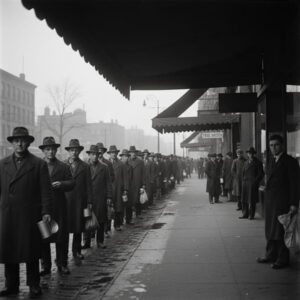







Which board game was commercialized by an unemployed man during the Great Depression?

1 / 10 Questions
0 Points

Which board game was commercialized by an unemployed man during the Great Depression?

Monopoly

Scrabble

Clue

Risk

Points won
0
Correct score
0%

More Questions

More Articles

Did You Know? 15 Fun Facts About US Military History

Did You Know? 15 Fun Facts About US Military History

⏱️ 6 min read

The United States military has a rich and fascinating history spanning nearly 250 years. From revolutionary innovations to unexpected quirks, the story of America's armed forces is filled with surprising details that often go unnoticed in traditional history books. These lesser-known facts reveal the ingenuity, courage, and sometimes humor that have characterized the U.S. military throughout its existence.

Remarkable Discoveries from America's Military Past

1. The Navy's Camel Corps Experiment

In 1856, the U.S. Army actually imported camels from the Middle East for military use in the southwestern territories. Secretary of War Jefferson Davis championed this unusual project, believing camels would be ideal for desert patrol and supply transport. The Army purchased 66 camels and brought them to Texas. While the experiment showed some promise, the Civil War interrupted the program, and the camels were eventually sold at auction. Some escaped and roamed the Arizona desert for years afterward.

2. George Washington's Spymaster Intelligence Network

During the Revolutionary War, General George Washington established one of the first organized American intelligence networks, known as the Culper Spy Ring. This sophisticated operation used invisible ink, dead drops, and coded messages to gather information on British troop movements in New York. The identities of some operatives remained secret for over 150 years after the war ended, demonstrating the network's effectiveness at maintaining operational security.

3. The Youngest Enlisted Soldier Was Only 12

Calvin Graham holds the distinction of being the youngest U.S. serviceman in World War II. He enlisted in the Navy at just 12 years old by lying about his age. Graham served aboard the USS South Dakota and was wounded at the Battle of Guadalcanal. When his mother discovered his enlistment, the Navy discharged him and stripped him of his benefits, though these were eventually restored decades later.

4. America's First Submarine Attack Happened in 1776

The Turtle, a one-man submersible designed by David Bushnell, attempted to sink HMS Eagle in New York Harbor during the Revolutionary War. This egg-shaped vessel, operated by hand cranks, marked the first use of a submarine in warfare. Though the attack ultimately failed, it demonstrated American innovation and willingness to employ unconventional tactics against a superior naval power.

5. The Pentagon Was Built in Just 16 Months

Despite being one of the world's largest office buildings, the Pentagon was constructed in record time during World War II. Breaking ground in September 1941, the massive structure was substantially completed by January 1943. At its peak, approximately 13,000 workers labored around the clock to meet the urgent wartime deadline. The building contains 17.5 miles of corridors and covers 29 acres.

6. Navajo Code Talkers Created an Unbreakable Code

During World War II, Navajo Marines developed a military code based on their native language that Japanese cryptographers never deciphered. The Navajo Code Talkers served in every Marine assault in the Pacific from 1942 to 1945, transmitting crucial tactical messages. Their contributions remained classified until 1968, and many only received recognition decades after their service ended.

7. The Air Force Was Once Part of the Army

The United States Air Force wasn't established as an independent military branch until 1947. Before that, aviation forces operated under the U.S. Army as the Army Air Corps and later the Army Air Forces. This change reflected the growing importance of air power in modern warfare and created the newest branch of the American armed forces.

8. Ghost Army Deceived Nazi Forces with Inflatable Tanks

The 23rd Headquarters Special Troops, nicknamed the "Ghost Army," used inflatable tanks, sound effects, and radio deception to trick German forces during World War II. This top-secret unit of artists and sound engineers created elaborate illusions of military strength, often making a few hundred men appear as thousands. Their creative deceptions helped save countless lives and contributed to Allied victories.

9. The Marines Were Founded in a Tavern

The United States Marine Corps was established on November 10, 1775, at Tun Tavern in Philadelphia. Captain Samuel Nicholas recruited the first Marines at this popular drinking establishment, which also served as a meeting place for revolutionary leaders. Marines still celebrate their birthday each November 10th with traditional ceremonies worldwide.

10. Women Served in Combat Roles Before Official Recognition

Long before women were officially allowed in combat positions, many served in dangerous roles throughout American military history. During the Revolutionary War, women like Margaret Corbin took over artillery positions when male soldiers fell. In World War II, female pilots in the Women Airforce Service Pilots (WASP) flew military aircraft, though they weren't officially recognized as military veterans until 1977.

11. The Coast Guard Once Enforced Prohibition

During the Prohibition era of the 1920s and early 1930s, the U.S. Coast Guard became the primary federal agency responsible for intercepting rum-runners and bootleggers smuggling alcohol into the country by sea. This mission dramatically expanded Coast Guard operations and led to confrontations with organized crime along America's coastlines.

12. Military Dogs Have Official Ranks

Military working dogs traditionally hold ranks one level higher than their handlers, a practice ensuring proper respect and care for these valuable assets. This tradition also means that abusing a military dog is equivalent to assaulting a superior officer. These canine warriors have served in roles ranging from bomb detection to search and rescue operations.

13. The Medal of Honor Can Be Awarded to Non-Citizens

America's highest military decoration has been awarded to 61 non-U.S. citizens throughout history. Many of these recipients were immigrants who served before completing their naturalization process. This practice reflects the diverse composition of American military forces and recognizes extraordinary valor regardless of citizenship status.

14. Military Families Saved Aluminum for the War Effort

During World War II, Americans collected scrap aluminum for aircraft production in massive recycling drives. Families donated pots, pans, and even aluminum furniture to support the military. While historians debate how much of this material actually made it into aircraft, the campaigns boosted morale and civilian participation in the war effort.

15. Buffalo Soldiers Earned Their Name from Native Americans

The African American cavalry regiments formed after the Civil War became known as "Buffalo Soldiers," a name reportedly given by Native American tribes who fought against them. These soldiers served with distinction in the Indian Wars, Spanish-American War, and on the Mexican border. Despite facing discrimination, Buffalo Soldiers earned numerous military honors and maintained exemplary service records.

The Legacy of American Military Innovation

These fifteen facts represent just a small sampling of the remarkable stories woven throughout U.S. military history. From experimental animal corps to groundbreaking code systems, from tavern birthplaces to inflatable deceptions, the American armed forces have consistently demonstrated adaptability, creativity, and determination. These stories remind us that military history encompasses not just battles and strategies, but also the human elements of innovation, sacrifice, and sometimes sheer audacity that have shaped the nation's defense through the centuries. Understanding these lesser-known aspects provides a more complete picture of the military's role in American history and the diverse individuals who have served.

Fun American Trivia: 18 Facts About Urban Legends

Fun American Trivia: 18 Facts About Urban Legends

⏱️ 6 min read

Urban legends have captivated American culture for generations, weaving their way through conversations, campfire stories, and internet forums. These modern folklore tales blur the line between truth and fiction, often reflecting societal fears, moral lessons, or simply the human love for a good scary story. From tales of mysterious hitchhikers to warnings about everyday dangers, urban legends continue to evolve and spread across communities. Here are eighteen fascinating facts about these enduring American myths that reveal how they start, spread, and persist in our collective consciousness.

Origins and Spread of Urban Legends

The Vanishing Hitchhiker Predates Automobiles

One of America's most famous urban legends, the vanishing hitchhiker story, actually has roots extending back to horse-and-buggy days. Folklorists have traced variations of this tale to the 19th century, where travelers would pick up mysterious strangers who would disappear without explanation. The story adapted seamlessly to the automobile age, proving that urban legends evolve with technology while maintaining their core narrative structure.

Alligators in the Sewers Started as News Reports

The legend of alligators living in New York City's sewers gained traction in the 1930s when newspapers reported sightings of the reptiles in city waterways. While some baby alligators were indeed found and likely came from flushed pets, the legend grew far beyond reality. This demonstrates how urban legends often contain a kernel of truth that becomes exaggerated through retelling.

The Hook-Handed Killer Reflects Teen Anxieties

The classic tale of a hook-handed escaped convict attacking teenagers in parked cars emerged in the 1950s, coinciding with growing teenage car culture and changing social norms. This legend served as a cautionary tale about teenage sexuality and disobedience, showing how urban legends often function as modern morality tales addressing contemporary social concerns.

Urban Legends and Consumer Culture

Pop Rocks and Soda Never Actually Killed Anyone

The persistent rumor that combining Pop Rocks candy with soda could cause fatal stomach explosions became so widespread in the 1970s that the candy's manufacturer had to launch a public relations campaign. General Foods even sent company representatives to schools to debunk the myth. The legend likely arose from misunderstanding how carbon dioxide works, combined with fear of new food products.

Fast Food Horror Stories Tap Into Distrust

Tales of rats, fingers, and other contaminants in fast food have circulated for decades, reflecting American anxiety about mass-produced food and lack of control over what we consume. While food safety incidents do occasionally occur, the legendary versions are almost always exaggerated or entirely fabricated, yet they persist because they resonate with genuine concerns about corporate food production.

The Kidney Heist Legend Emerged With Organ Transplants

Stories about travelers waking up in bathtubs full of ice, missing a kidney, became widespread in the 1990s as organ transplantation became more common. Medical experts have repeatedly stated that such a scenario is medically impossible given the complexity of organ removal and preservation, yet the legend persists as a cautionary tale about trusting strangers.

Digital Age Urban Legends

Email Chain Letters Replaced Physical Ones

The transition from physical chain letters to email forwards in the 1990s gave urban legends unprecedented reach. Legends about dying children, corporate giveaways, and computer viruses spread faster than ever before. The digital format added an air of authenticity through forwarded message chains and seemingly official warnings.

Slender Man Proves Legends Can Begin Online

Created in 2009 on an internet forum as a fictional character, Slender Man demonstrates that urban legends can now originate entirely online. The tall, faceless figure in a suit became so embedded in internet culture that some people began treating him as if he were a traditional legend with historical roots, showing how quickly modern myths can develop.

Social Media Accelerates Legend Mutation

Platforms like Facebook and Twitter have dramatically sped up how urban legends evolve. A single story can have dozens of variations within hours, with details changing based on local contexts and current events. This rapid mutation makes tracking the origin of modern legends increasingly difficult for folklorists.

Urban Legends as Social Commentary

Bloody Mary Reflects Coming-of-Age Fears

The Bloody Mary ritual, where children summon a ghostly figure by chanting her name in a mirror, serves as a common childhood rite of passage. Psychologists suggest this legend helps children confront fears about their own reflections and identity during developmental years, making it more than just a scary story.

The Babysitter and the Caller Upstairs Addresses Safety Concerns

This legend, where a babysitter receives threatening calls only to discover they're coming from inside the house, became prominent as more teenagers took babysitting jobs. It reflects parental and teen anxieties about vulnerability and responsibility, serving as both entertainment and cautionary tale.

Killer Clown Legends Exploit Primal Fears

Stories of murderous clowns preying on children have circulated since at least the 1980s, with periodic "clown sighting" panics occurring across America. These legends tap into the unsettling nature of masked figures and the corruption of childhood innocence, making them particularly powerful and persistent.

The Psychology Behind Belief

Friend-of-a-Friend Authentication Creates Credibility

Urban legends typically feature the "FOAF" factor—they happened to a "friend of a friend." This distant but theoretically traceable connection makes stories seem credible without being easily verifiable, which is key to their spread and persistence in communities.

Details Make Legends Believable

Successful urban legends include specific details like brand names, locations, or dates that create an illusion of authenticity. These details change regionally, making the story feel local and personal to different communities, which increases both belief and retelling.

Legends Address Real Anxieties With Fictional Solutions

Many urban legends persist because they articulate genuine societal fears—contaminated food, dangerous strangers, technology failures—in narrative form. By giving these anxieties a concrete story, legends provide a way for communities to discuss and process collective concerns.

Academic Study of Urban Legends

Folklorists Consider Them Modern Mythology

Academic researchers view urban legends as contemporary folklore that serves similar functions to traditional myths. They transmit cultural values, explain the unexplainable, and create shared community experiences, making them valuable subjects for understanding modern society.

The Internet Has Become a Legend Laboratory

Websites dedicated to debunking urban legends, particularly Snopes.com founded in 1995, have become essential tools for researchers studying how these stories spread and evolve. The ability to track legend variations online has given folklorists unprecedented insight into the life cycle of modern myths.

Urban Legends Reveal Cultural Values and Fears

By examining which legends gain traction in different time periods and communities, researchers can identify what societies value and fear. Legends about technology, for instance, reveal anxieties about rapid change, while those about corporations reflect concerns about power and trust in institutions.

Conclusion

Urban legends remain a vital part of American culture, adapting to new technologies and social contexts while maintaining their core function as cautionary tales and shared narratives. From pre-automobile ghost stories to internet-born horrors, these legends reflect our collective anxieties, values, and the human need for storytelling. Whether we believe them or not, urban legends continue to influence how we perceive risks, make decisions, and connect with our communities. Understanding these eighteen aspects of urban legends helps us appreciate them not just as false stories to be debunked, but as meaningful cultural artifacts that reveal truths about society, psychology, and the enduring power of a well-told tale. As long as humans gather to share stories, urban legends will continue to evolve, entertain, and occasionally unsettle us, serving as modern folklore for the digital age.