









Which President Led The Civil War?

1 / 10 Questions
0 Points

Which President Led The Civil War?

Andrew Johnson

James Buchanan

Ulysses S. Grant

Abraham Lincoln

Points won
0
Correct score
0%

More Questions

More Articles

Did You Know These 15 Facts About the Underground Railroad?

Did You Know These 15 Facts About the Underground Railroad?

⏱️ 4 min read

Did You Know These 15 Facts About the Underground Railroad?

The Underground Railroad was a network of secret routes and safe houses used by enslaved African Americans to escape to free states and Canada during the early to mid-19th century. Here are 15 fascinating facts about this remarkable piece of American history that might surprise you.

1. Not Actually Underground

Despite its name, the Underground Railroad wasn't actually underground. The term "underground" was used metaphorically, referring to its secretive nature. The word "railroad" was chosen because activists used railroad terminology as code words for their activities.

2. Code Language

Participants used elaborate code words to maintain secrecy. "Conductors" were guides, "passengers" were escaping slaves, "stations" were safe houses, and "station masters" were those who owned safe houses. This railway-themed terminology helped mask their true activities.

3. Harriet Tubman's Remarkable Record

Known as "Moses," Harriet Tubman conducted 13 rescue missions over a decade, helping approximately 70 people escape slavery. More impressively, she never lost a single passenger during her dangerous journeys.

4. Canada's Role

Canada became a primary destination after the Fugitive Slave Act of 1850, which required Northern states to return escaped slaves. Approximately 30,000 people escaped to Canada through the Underground Railroad between 1850 and 1860.

5. Maritime Routes

Lesser known is that the Underground Railroad included maritime routes along the Atlantic coast. Ships' crews would sometimes hide escapees and transport them to Northern ports.

6. Quaker Involvement

The Religious Society of Friends (Quakers) played a crucial role in the Underground Railroad. Their religious beliefs opposed slavery, and many Quakers risked their lives and fortunes to help escaped slaves.

7. Native American Assistance

Several Native American tribes, particularly the Seminoles, assisted escaped slaves. Some tribes even accepted former slaves into their communities, offering protection and new lives.

8. William Still's Documentation

William Still, often called the "Father of the Underground Railroad," kept detailed records of the people he helped. His documentation became one of the most important historical records of the Underground Railroad.

9. Complex Network Size

The Underground Railroad network included an estimated 3,200 "conductors" and approximately 1,000 "stations," spanning 14 Northern states and Canada.

10. Seasonal Travel Patterns

Most escapes occurred during winter months when longer nights provided better cover. However, this meant facing harsh weather conditions during already dangerous journeys.

11. The Role of Music

Spirituals and work songs often contained hidden messages about escape routes and timing. "Follow the Drinking Gourd" referred to using the North Star (part of the Big Dipper constellation) for navigation.

12. Financial Support System

A sophisticated network of financial supporters, including wealthy abolitionists, provided funds for safe houses, transportation, and supplies. Some even created false-bottom wagons and secret room compartments.

13. Punishment Severity

Those caught helping escaped slaves faced severe consequences. The Fugitive Slave Act of 1850 imposed fines of $1,000 (equivalent to about $34,000 today) and six months imprisonment for each escaped slave assisted.

14. Urban Safe Houses

Contrary to popular belief, many safe houses were located in urban areas. Cities like Philadelphia, Boston, and Cincinnati had extensive networks of safe houses hidden in plain sight.

15. International Impact

The Underground Railroad had significant international influence, inspiring similar resistance movements worldwide. Its success helped fuel the global anti-slavery movement and influenced civil rights activism for generations.

Conclusion

The Underground Railroad represents one of the most significant examples of civil disobedience and humanitarian activism in American history. These 15 facts highlight the complexity, courage, and ingenuity of those who participated in this secret network. Their legacy continues to inspire social justice movements today, reminding us of the power of organized resistance against oppression.

The success of the Underground Railroad depended on the bravery and dedication of thousands of individuals who risked everything to fight against the institution of slavery. Their stories of courage, resourcefulness, and determination continue to resonate with people worldwide, serving as a testament to the human spirit's capacity for compassion and justice.
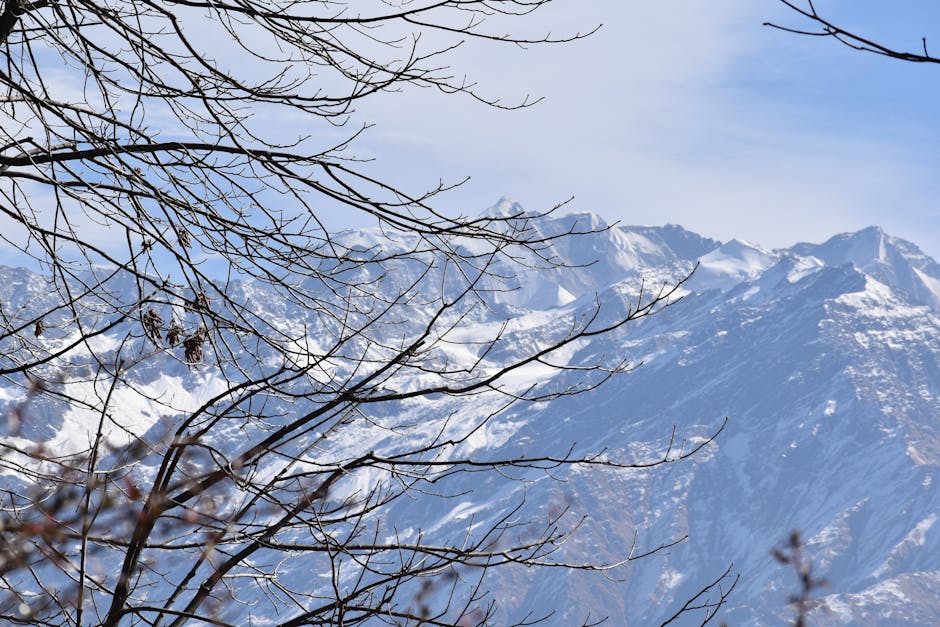
Did You Know? 20 Fun Facts About Global Climate Zones

Did You Know? 20 Fun Facts About Global Climate Zones

⏱️ 6 min read

Our planet's diverse climate zones create the remarkable tapestry of ecosystems, weather patterns, and living conditions we observe across the globe. From scorching deserts to frozen tundras, these distinct regions shape everything from the clothes we wear to the foods we grow. Understanding these climate zones reveals fascinating insights about Earth's atmospheric dynamics and how life adapts to different environmental conditions.

Understanding Earth's Climate Diversity

Climate zones are determined by multiple factors including latitude, elevation, proximity to water bodies, and prevailing wind patterns. These variables combine to create distinct regions with characteristic temperature ranges, precipitation levels, and seasonal variations. Let's explore twenty remarkable facts about these global climate zones that illustrate the incredible diversity of our planet's weather systems.

1. The Tropics Never Experience True Winter

Located between the Tropic of Cancer and Tropic of Capricorn, tropical regions maintain warm temperatures year-round, typically staying above 64°F (18°C). These areas don't experience traditional seasons but rather wet and dry periods, with minimal temperature variation throughout the year.

2. Polar Regions Host Six-Month Days and Nights

The Arctic and Antarctic experience extreme daylight patterns, with the sun remaining above or below the horizon for extended periods. During summer months, these regions enjoy continuous daylight, while winter brings prolonged darkness lasting up to six months at the poles.

3. Mediterranean Climates Exist on Only 2% of Earth's Surface

Despite their limited geographic distribution, Mediterranean climate zones support some of the world's most productive agricultural regions. These areas, characterized by wet winters and dry summers, are found in California, central Chile, South Africa's Cape region, southern Australia, and the Mediterranean Basin.

4. Desert Climate Zones Cover One-Third of Land Surface

Arid and semi-arid regions occupy approximately 33% of Earth's land area, supporting nearly one billion people. These zones receive less than 10 inches of annual rainfall, creating landscapes where specialized plants and animals have evolved remarkable survival strategies.

5. The Intertropical Convergence Zone Creates Rainforest Conditions

This belt of low pressure near the equator produces consistent rising air that cools and releases moisture, generating the heavy rainfall that sustains tropical rainforests. The zone shifts seasonally, following the sun's zenith position and creating monsoon patterns in some regions.

6. Continental Climates Experience the Greatest Temperature Extremes

Found in interior regions of large landmasses, continental climates can experience temperature swings exceeding 100°F (38°C) between summer and winter. Cities like Moscow and Montreal exemplify these dramatic seasonal variations, with scorching summers and frigid winters.

7. Mountain Climates Change Every 1,000 Feet of Elevation

Altitude creates climate zones independent of latitude, with temperatures dropping approximately 3.5°F per 1,000 feet of elevation gain. This phenomenon allows tropical countries to contain multiple climate zones, from steamy lowlands to snow-capped peaks.

8. Ocean Currents Control Coastal Climate Patterns

Warm and cold ocean currents significantly influence adjacent land climates. The Gulf Stream keeps Western Europe warmer than corresponding latitudes in North America, while the cold Humboldt Current creates coastal deserts along western South America despite proximity to the ocean.

9. Subtropical High-Pressure Zones Create Desert Belts

Most of the world's major deserts lie between 15° and 30° latitude in both hemispheres, where descending air in subtropical high-pressure systems creates consistently dry conditions. This pattern explains the Sahara, Arabian, Kalahari, and Australian deserts' locations.

10. Microclimates Can Vary Within a Single City

Urban areas often contain numerous microclimates created by varying topography, vegetation, and human structures. San Francisco's neighborhoods can differ by 20°F (11°C) due to fog patterns, hills, and proximity to the bay.

11. The Koppen Classification System Identifies Five Major Groups

Developed in 1900, the Köppen climate classification system divides the world into five principal groups: tropical, dry, temperate, continental, and polar. Each category contains multiple subdivisions, creating a comprehensive framework for understanding global climate patterns.

12. Monsoon Climates Affect More Than Half the World's Population

Seasonal wind reversals bring dramatic wet and dry seasons to South Asia, Southeast Asia, West Africa, and northern Australia. These predictable patterns have shaped agricultural practices, cultural traditions, and economic systems for billions of people.

13. Tundra Regions Have Only Two Months Above Freezing

The tundra climate zone, found at high latitudes and elevations, experiences such brief summers that trees cannot establish themselves. Only low-growing plants, mosses, and lichens survive, creating vast treeless landscapes.

14. Subtropical Zones Host the World's Most Populous Cities

The mild temperatures and moderate rainfall of subtropical climates have attracted massive human populations. Cities like Shanghai, São Paulo, Mumbai, and Buenos Aires thrive in these regions, which balance warmth with manageable precipitation levels.

15. Rain Shadow Effects Create Desert Conditions on Mountain Leeward Sides

As moisture-laden air rises over mountain ranges, it cools and releases precipitation on windward slopes, leaving the leeward side dramatically drier. This phenomenon creates stark contrasts, such as the wet western slopes and arid eastern sides of Washington's Cascade Range.

16. Taiga Forests Form Earth's Largest Terrestrial Biome

The subarctic climate zone supports vast coniferous forests across northern Canada, Scandinavia, and Russia. This biome, characterized by long, severe winters and short summers, contains more than 29% of the world's forest area.

17. Equatorial Regions Receive Consistent Year-Round Rainfall

Areas directly on the equator experience relatively uniform precipitation throughout the year, with some locations receiving over 400 inches annually. This consistency supports the planet's most biodiverse ecosystems, including the Amazon and Congo rainforests.

18. Marine West Coast Climates Produce Temperate Rainforests

Found on western coasts between 40° and 60° latitude, these regions receive abundant rainfall from maritime air masses. The Pacific Northwest of North America and New Zealand's South Island exemplify this climate, supporting lush temperate rainforests.

19. Savanna Climates Feature Distinct Grass and Tree Combinations

Characterized by warm temperatures year-round and distinct wet-dry seasons, tropical savanna climates support grasslands dotted with drought-resistant trees. These regions, including East Africa's famous plains, host some of Earth's most spectacular wildlife concentrations.

20. Climate Zones Are Shifting Due to Global Temperature Changes

Scientific observations indicate that climate zones are migrating poleward as global temperatures rise. This shift affects ecosystems, agricultural zones, and weather patterns, with subtropical climates expanding and polar regions warming at accelerated rates.

The Interconnected Nature of Climate Systems

These twenty facts illustrate the remarkable complexity and diversity of Earth's climate zones. From the mechanisms that create distinct regions to the ways these zones influence life on our planet, understanding climate patterns helps us appreciate the delicate balance of atmospheric, oceanic, and terrestrial systems. As our planet continues to change, knowledge of these climate zones becomes increasingly important for predicting future conditions, managing resources, and preserving the unique characteristics that make each region distinctive. Whether studying the endless days of polar summers or the consistent warmth of equatorial regions, each climate zone tells a story about the dynamic forces shaping our world.