







⏱️ 7 min read
Historic palaces stand as magnificent testaments to human ambition, architectural brilliance, and the opulent lifestyles of royalty throughout the ages. These grand structures have witnessed centuries of history, from political intrigue to lavish celebrations, and continue to captivate millions of visitors each year. Beyond their stunning facades and gilded halls lie fascinating stories and surprising details that reveal just how extraordinary these buildings truly are.
Remarkable Secrets of the World's Greatest Palaces
1. The Palace of Versailles Has More Rooms Than Days in a Year
The iconic Palace of Versailles in France contains an astounding 2,300 rooms spread across 721,182 square feet. King Louis XIV's magnificent residence includes 67 staircases, 1,252 fireplaces, and 352 chimneys. It would take more than six years to sleep in every room if you spent just one night in each. The palace was home to thousands of courtiers, servants, and officials during its heyday as the center of French political power.
2. The Forbidden City's Name Reflects Ancient Cosmology
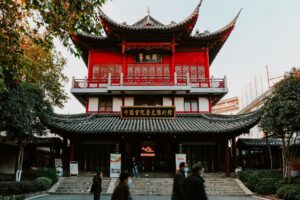
Beijing's Forbidden City earned its name not just because commoners were forbidden from entering, but also because ancient Chinese astronomers believed the emperor was connected to the Purple Star, which they thought was at the center of the cosmos. The palace complex was considered the earthly counterpart to this celestial dwelling, making it the "Purple Forbidden City." This massive complex served as the imperial palace for 24 emperors across the Ming and Qing dynasties.
3. Buckingham Palace Employs Two People Just to Maintain the Clocks
With over 350 clocks and watches throughout the palace, Buckingham Palace requires two full-time horological conservators to wind and maintain these timepieces. During the biannual time changes, this task becomes even more demanding, requiring approximately 50 hours of work to adjust every clock in the royal residence. The collection includes pieces dating back centuries and represents an important part of Britain's royal heritage.
4. The Alhambra's Water Engineering Was Centuries Ahead of Its Time
The Alhambra palace complex in Granada, Spain, featured an incredibly sophisticated water system built in the 13th century that still functions today. Muslim engineers designed an intricate network of channels, fountains, and pools that not only provided water throughout the palace but also served as an early form of air conditioning. The flowing water cooled the air and created a serene atmosphere in the Andalusian heat, demonstrating remarkable engineering prowess.
5. Potala Palace Sits at an Oxygen-Depleting Altitude
The Potala Palace in Lhasa, Tibet, stands at an elevation of 12,139 feet above sea level, making it one of the highest palaces in the world. At this altitude, oxygen levels are approximately 35% lower than at sea level, which historically meant that only the most dedicated pilgrims and visitors would make the journey. The palace complex contains over 1,000 rooms and once served as the winter residence of the Dalai Lamas.
6. Schönbrunn Palace Has a Secret Maze That Fooled Napoleon
Vienna's Schönbrunn Palace features elaborate hedge mazes in its gardens, which legend claims confused and frustrated Napoleon Bonaparte when he occupied the palace. The maze, originally planted in the 1720s, spans approximately 1,715 square meters and was designed to entertain the Habsburg royalty. The complex garden design served both as amusement and as a symbol of the intellectual sophistication expected at the imperial court.
7. The Winter Palace Survived Being Used as a Hospital
St. Petersburg's Winter Palace, part of the Hermitage Museum complex, served as a military hospital during World War I. The grand halls where tsars once hosted elaborate balls were converted into wards filled with hospital beds for wounded soldiers. Despite this dramatic repurposing and the upheavals of the Russian Revolution, much of the palace's artistic heritage survived, though some treasures were hidden or relocated for protection.
8. Topkapi Palace Kitchens Fed 4,000 People Daily
The kitchens at Istanbul's Topkapi Palace were massive operations that prepared meals for up to 4,000 people each day during the Ottoman Empire's peak. The complex included ten separate kitchen buildings with multiple domed chambers, each dedicated to preparing specific types of dishes. Today, the former kitchens house an extensive collection of Chinese porcelain, crystal, and silver that the sultans collected over centuries.
9. Hampton Court Palace Has Royal Ghosts in Residence
Hampton Court Palace in England is reputedly one of the most haunted royal residences in Britain, with several documented ghostly sightings. The most famous specter is Catherine Howard, the fifth wife of Henry VIII, who was arrested at Hampton Court and allegedly still runs screaming through what is now called the Haunted Gallery. Security cameras have even captured unexplained occurrences, adding modern credibility to centuries-old tales.
10. The Royal Palace of Caserta Has More Rooms Than Versailles
Italy's Royal Palace of Caserta actually surpasses Versailles in size, boasting 1,200 rooms, 1,742 windows, and 34 staircases. Commissioned by Charles VII of Naples in the 18th century, the palace was designed to rival and even outdo Versailles. The structure covers approximately 235,000 square meters and was intended to serve as both a royal residence and the administrative center of the Kingdom of Naples.
11. Neuschwanstein Castle Inspired Disney's Sleeping Beauty Castle
Germany's Neuschwanstein Castle, built by King Ludwig II of Bavaria in the 19th century, served as direct inspiration for Walt Disney's Sleeping Beauty Castle at Disneyland. Despite its medieval appearance, the castle featured cutting-edge technology for its time, including central heating, running water on all floors, and even telephones. Ironically, Ludwig only spent 11 nights in his dream castle before his mysterious death in 1886.
12. The Palace of Westminster Contains Eight Bars and Six Restaurants
The Palace of Westminster, home to the British Parliament, functions as a self-contained city with extensive dining and drinking facilities. Members of Parliament and their staff have access to multiple bars, restaurants, and cafés throughout the building. The palace even has its own gym, hairdresser, and shooting range, though the latter is now primarily used for storage rather than target practice.
13. The Palace of Knossos Had Advanced Plumbing 4,000 Years Ago
The ancient Minoan Palace of Knossos in Crete featured remarkably sophisticated plumbing systems dating back to approximately 2000 BCE. The palace included flush toilets, running water, bathtubs, and an advanced sewage system with terracotta pipes. This level of sanitation technology would not be matched in Europe again until the 19th century, demonstrating the Minoans' exceptional engineering capabilities.
14. The Palace of the Parliament in Romania Is the World's Heaviest Building
Bucharest's Palace of the Parliament holds the Guinness World Record as the heaviest building on Earth, weighing approximately 4,098,500,000 kilograms. Built during Nicolae Ceaușescu's communist regime, this colossal structure contains 3,100 rooms, 12 stories, and features over one million cubic meters of marble and 3,500 tons of crystal. The building is so massive that entire neighborhoods were demolished to make room for its construction.
15. Peterhof Palace Features More Than 150 Fountains That Operate Without Pumps
Russia's Peterhof Palace, often called the "Russian Versailles," operates its spectacular fountain system entirely through gravity and natural water pressure. Built by Peter the Great in the early 18th century, the complex uses a sophisticated network of channels and reservoirs that draw water from natural springs located in nearby hills. The system includes over 150 fountains and 4 cascades, all functioning without the need for a single pump, making it an extraordinary feat of hydraulic engineering.
The Enduring Legacy of Palatial Architecture
These fifteen fascinating facts reveal that historic palaces are far more than beautiful buildings—they are repositories of human ingenuity, ambition, and cultural achievement. From ancient plumbing systems that rivaled modern conveniences to engineering marvels that continue to function centuries later, these magnificent structures demonstrate the remarkable capabilities of their builders. Whether through their sheer size, technological innovations, or the colorful stories that echo through their halls, historic palaces continue to inspire wonder and remind us of the extraordinary lengths humans have gone to create lasting monuments to power, beauty, and prestige. Today, these palaces serve as invaluable windows into the past, allowing millions of visitors each year to walk through history and experience the grandeur that once defined royal life across civilizations and continents.