
















⏱️ 6 min read
When most people think of deserts, they envision endless stretches of scorching sand dunes under a relentless sun. However, the world's arid landscapes hold numerous unexpected characteristics that challenge common assumptions. From frozen wastelands to surprisingly biodiverse ecosystems, deserts represent some of the planet's most fascinating and misunderstood environments. These remarkable regions cover approximately one-third of Earth's land surface and continue to reveal extraordinary secrets to scientists and explorers alike.
Remarkable Discoveries About Earth's Arid Regions
1. Antarctica Qualifies as the World's Largest Desert
Contrary to popular belief, the world's largest desert is not the Sahara but Antarctica. This polar desert spans approximately 5.5 million square miles, making it nearly twice the size of the Sahara. The classification stems from the scientific definition of a desert as a region receiving less than 10 inches of precipitation annually. Antarctica's interior receives minimal snowfall, with some valleys experiencing virtually no precipitation for millions of years. The extreme cold creates a frozen desert environment where moisture is locked in ice rather than available as liquid water, creating conditions as hostile to most life forms as any hot desert.
2. Deserts Experience Dramatic Temperature Fluctuations
While deserts are famous for extreme heat during the day, nighttime temperatures can plummet dramatically. The lack of cloud cover and moisture in the atmosphere means nothing traps heat after sunset. In hot deserts like the Sahara, daytime temperatures can exceed 130°F (54°C), while nighttime temperatures may drop below freezing. This temperature swing, sometimes exceeding 60°F (15°C) in a single day, occurs because sand and rock cannot retain heat effectively. This phenomenon creates unique survival challenges for desert organisms, which must adapt to both extreme heat and cold within 24-hour cycles.
3. The Atacama Desert Has Areas Where Rain Has Never Been Recorded
Located in Chile, the Atacama Desert holds the distinction of being Earth's driest non-polar desert. Some weather stations in the Atacama have never recorded rainfall since measurements began. Certain regions of this desert have received no significant precipitation for over 400 years. The extreme aridity results from the desert's location between the Andes Mountains and the Chilean Coast Range, which create a double rain shadow effect. Despite these harsh conditions, specialized microorganisms thrive in the soil, and coastal fog provides just enough moisture to support limited plant and animal life in some areas.
4. Desert Sand Comprises Less Than 20% of Desert Surfaces
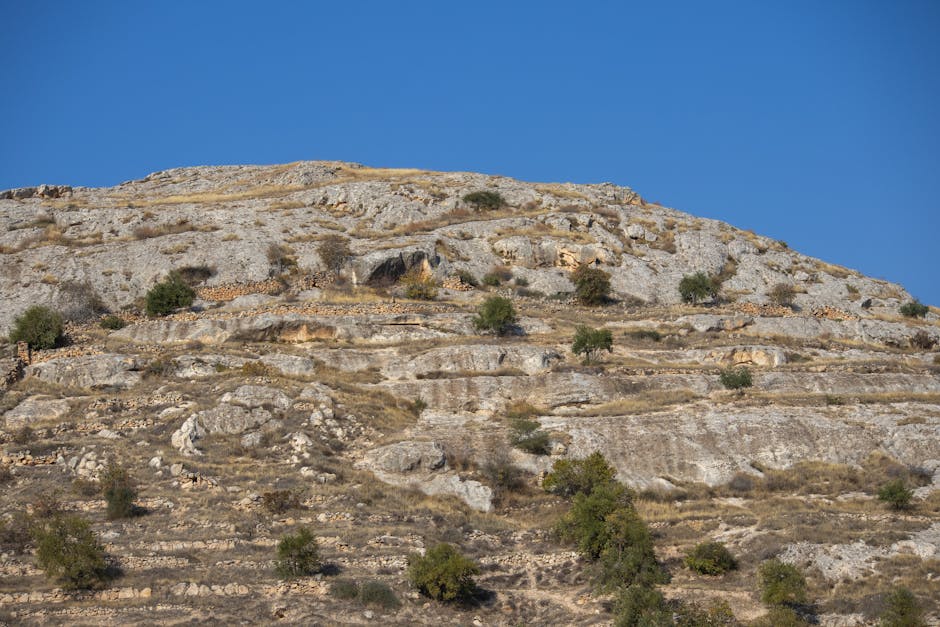
Popular media portrays deserts as vast seas of sand dunes, but sandy regions actually constitute less than 20% of the world's desert landscapes. Most deserts feature surfaces of exposed bedrock, gravel plains called "reg," or stony pavements known as "hamada." The Sahara Desert, despite its iconic dune imagery, consists primarily of rocky plateaus and gravel-covered plains. Sand dunes, called "ergs," form only in specific conditions where wind patterns and sand availability align. This diversity of terrain types creates varied habitats that support different desert-adapted species and ecosystems.
5. Deserts Are Expanding Due to Desertification
Desertification, the process by which fertile land transforms into desert, affects approximately 12 million hectares annually. This phenomenon results from climate change, overgrazing, deforestation, and poor irrigation practices. The Sahara Desert has expanded southward by approximately 10% since 1920, encroaching on the semi-arid Sahel region. This expansion threatens agricultural lands and displaces communities dependent on these ecosystems. Desertification represents one of the most serious environmental challenges, affecting the livelihoods of over one billion people worldwide who live in dryland regions vulnerable to degradation.
6. Biological Soil Crusts Support Desert Ecosystems
Desert surfaces often harbor living communities called biological soil crusts, composed of cyanobacteria, lichens, mosses, and fungi. These organisms form a dark, bumpy layer on the soil surface that plays crucial roles in desert ecology. Biological crusts stabilize soil against wind and water erosion, fix atmospheric nitrogen into forms plants can use, and increase water retention in desert soils. A single footstep can destroy crusts that took decades to develop, making them vulnerable to human disturbance. These living crusts demonstrate that even the most barren-looking desert surfaces support complex biological communities.
7. Some Deserts Receive Occasional Catastrophic Flooding
Despite their reputation for extreme dryness, deserts periodically experience devastating flash floods. When rare rainstorms occur, the hard, sun-baked ground cannot absorb water quickly, causing rapid runoff. Dry riverbeds called "wadis" or "arroyos" can transform into raging torrents within minutes, carrying boulders and debris. The Atacama Desert experienced catastrophic flooding in 2015 after receiving several years' worth of rain in a single day, causing significant damage and loss of life. These flash floods reshape desert landscapes, carve canyons, and provide vital moisture pulses that trigger dramatic but temporary blooms of desert wildflowers.
8. Desert Plants Have Extraordinary Water Storage Adaptations
Desert flora has evolved remarkable strategies for water conservation and storage. The saguaro cactus can absorb up to 200 gallons of water during a single rainstorm, expanding like an accordion as its pleated stem fills. Some desert plants develop root systems that extend over 100 feet laterally or plunge 100 feet deep to access groundwater. Succulent plants store water in their tissues, while others develop tiny, waxy leaves to minimize water loss through transpiration. The creosote bush produces chemicals that inhibit competing plants nearby, ensuring it has exclusive access to scarce water resources within its territory.
9. Namib Desert Beetles Harvest Water from Fog
The Namib Desert beetle has inspired biomimetic engineering through its ingenious water collection method. This insect tilts its body into the wind during foggy mornings, allowing moisture to condense on its specially textured back. The beetle's wing covers feature hydrophilic bumps surrounded by hydrophobic valleys, causing water droplets to accumulate and roll into its mouth. This adaptation allows the beetle to survive in one of Earth's oldest and driest deserts. Scientists have replicated this surface structure to develop self-filling water bottles and fog-harvesting nets that provide water to desert communities.
10. Deserts Contain Ancient Underground Water Reserves
Beneath many deserts lie vast fossil aquifers containing water trapped thousands or millions of years ago when these regions had wetter climates. The Nubian Sandstone Aquifer System beneath the Sahara is one of the largest groundwater reserves globally, containing an estimated 150,000 cubic kilometers of water. Libya's Great Man-Made River Project taps into these ancient reserves, transporting water through massive underground pipes to coastal cities. However, these fossil aquifers receive minimal recharge, making them non-renewable resources. Extraction rates far exceed natural replenishment, raising concerns about long-term water security in desert regions dependent on these ancient reserves.
Understanding Desert Complexity
These remarkable characteristics demonstrate that deserts are far more complex and dynamic than commonly perceived. From polar ice sheets to fog-dependent ecosystems, from living soil crusts to ancient aquifers, desert environments encompass extraordinary diversity and adaptation. As climate change accelerates and human populations in arid regions grow, understanding these unique ecosystems becomes increasingly critical. The surprising facts about global deserts reveal not just geographical curiosities but essential insights into planetary processes, biological resilience, and the delicate balance between human needs and environmental sustainability in Earth's most challenging landscapes.