


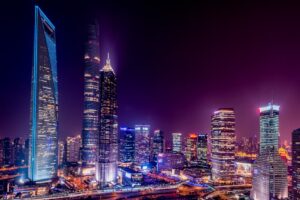
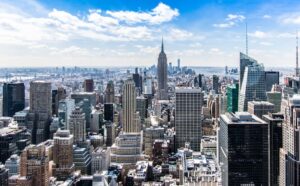
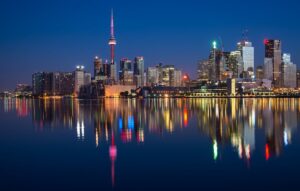
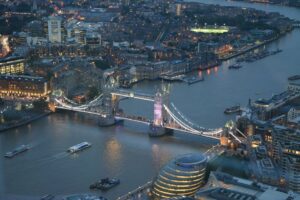




Which city has the largest population in the world?

1 / 20 Questions
0 Points

Which city has the largest population in the world?

Beijing

Shanghai

Tokyo

Delhi

Points won
0
Correct score
0%

More Questions

More Articles

Top 10 Must-Know Facts About the Colorado River

Top 10 Must-Know Facts About the Colorado River

⏱️ 6 min read

The Colorado River stands as one of North America's most vital waterways, carving through seven U.S. states and two Mexican states while supporting millions of people, diverse ecosystems, and agricultural operations. This powerful river has shaped the landscape for millions of years and continues to be at the center of environmental, political, and economic discussions. Understanding the key facts about this remarkable river reveals its immense importance to the American Southwest and beyond.

Essential Facts About America's Lifeline River

1. An Impressive 1,450-Mile Journey Through Desert Landscapes

The Colorado River stretches approximately 1,450 miles from its headwaters in the Rocky Mountains of Colorado to its delta in the Gulf of California. Beginning at La Poudre Pass in Rocky Mountain National Park at an elevation of over 10,000 feet, the river descends through diverse terrain including alpine forests, desert canyons, and arid lowlands. This remarkable journey takes the river through Colorado, Wyoming, Utah, New Mexico, Nevada, Arizona, and California before reaching Mexico. The elevation drop of nearly two miles creates tremendous erosive power, which has sculpted some of the most dramatic landscapes in North America.

2. The Architect of the Grand Canyon

The Colorado River is responsible for carving one of the world's most spectacular natural wonders: the Grand Canyon. Over the past 5 to 6 million years, the river has cut through layer upon layer of rock, exposing nearly 2 billion years of Earth's geological history. The Grand Canyon stretches 277 miles long, reaches depths of over a mile, and spans up to 18 miles wide in some areas. This incredible feat of natural engineering demonstrates the relentless power of water erosion and makes the Colorado River one of the most geologically significant waterways on the planet.

3. A Lifeline for 40 Million People

The Colorado River Basin provides water for approximately 40 million people across seven states and Mexico. Major cities including Los Angeles, San Diego, Phoenix, Las Vegas, and Denver depend on the river for their municipal water supplies. The river's water is distributed through an complex network of dams, reservoirs, canals, and aqueducts that transport water hundreds of miles from the river's course. This makes the Colorado River one of the most contested and managed water resources in the world, with every drop accounted for through legal agreements and water rights dating back over a century.

4. Agricultural Powerhouse Supporting 5.5 Million Acres of Farmland

The Colorado River irrigates approximately 5.5 million acres of agricultural land, making it crucial to American food production. The Imperial Valley in California, often called "America's Salad Bowl," produces a significant portion of the nation's winter vegetables using Colorado River water. The river also supports cotton production in Arizona, hay and alfalfa crops throughout the basin, and various other agricultural operations. About 80 percent of the river's water is dedicated to agricultural use, highlighting the delicate balance between farming needs and urban water demands.

5. Massive Hydroelectric Power Generation

The Colorado River system generates approximately 4,200 megawatts of hydroelectric power annually, enough to serve over 3.5 million customers. The river's two largest dams, Hoover Dam and Glen Canyon Dam, are major power producers. Hoover Dam alone can generate enough electricity to serve 1.3 million people. This clean, renewable energy source has been vital to the development and growth of the southwestern United States, powering everything from homes and businesses to the infrastructure that makes modern desert living possible.

6. An Over-Allocated Resource Facing Critical Challenges

The Colorado River is significantly over-allocated, meaning more water has been promised through legal agreements than the river actually carries on average. The 1922 Colorado River Compact divided the river's water based on flow measurements from an unusually wet period, allocating 16.5 million acre-feet annually. However, the river's actual average flow is closer to 13-14 million acre-feet, creating a structural deficit. This over-allocation, combined with prolonged drought and climate change, has led to declining reservoir levels and increasing conflicts among water users.

7. Home to Unique and Endangered Species

The Colorado River Basin supports numerous endemic species found nowhere else on Earth. Four fish species—the Colorado pikeminnow, razorback sucker, bonytail, and humpback chub—are federally listed as endangered. These ancient fish evolved in the river's unique conditions but now struggle to survive in dramatically altered habitats. The river ecosystem also supports the southwestern willow flycatcher, yellow-billed cuckoo, and various other species that depend on the riparian corridors. Conservation efforts are ongoing to protect these species while balancing human water needs.

8. Two Massive Reservoirs Controlling Water Flow

Lake Mead and Lake Powell, the two largest reservoirs in the United States by capacity, store Colorado River water and regulate its flow. Lake Mead, created by Hoover Dam, can hold 26.1 million acre-feet when full, while Lake Powell, formed by Glen Canyon Dam, has a capacity of 24.3 million acre-feet. These reservoirs provide critical water storage, flood control, and recreation opportunities. However, both have experienced dramatic declines in recent years, with water levels dropping to historic lows due to persistent drought and increased water demand, revealing formerly submerged landscapes and ancient artifacts.

9. A River That Rarely Reaches the Sea

Once a mighty river that created a vast delta ecosystem where it met the Gulf of California, the Colorado River now rarely reaches the ocean. By the time the river's water has been diverted for cities, farms, and other uses, the riverbed is often dry before reaching the sea. The Colorado River Delta, once spanning nearly 2 million acres of wetlands and supporting jaguars, beavers, and millions of migratory birds, has lost approximately 95 percent of its historic wetlands. Recent binational agreements between the United States and Mexico have allowed for pulse flows to temporarily reconnect the river to the sea, offering hope for delta restoration.

10. Climate Change Threatens Future Water Security

Climate change poses an existential threat to the Colorado River system, with scientists projecting a 10 to 30 percent reduction in river flow by 2050. Rising temperatures increase evaporation rates from reservoirs and reduce snowpack in the Rocky Mountains, where the river originates. The current megadrought, lasting over two decades, is one of the driest periods in the past 1,200 years. These changes are forcing unprecedented negotiations among basin states to reduce water consumption and develop new management strategies to ensure the river's sustainability for future generations.

Conclusion

The Colorado River represents far more than a waterway—it is the lifeblood of the American Southwest, a geological sculptor of epic proportions, and a critical resource facing unprecedented challenges. From carving the Grand Canyon to sustaining 40 million people, from powering cities to irrigating vast farmlands, the river's importance cannot be overstated. As climate change, over-allocation, and growing demand place increasing pressure on this vital resource, understanding these fundamental facts about the Colorado River becomes essential for anyone concerned about water security, environmental conservation, and the future of the American West. The decisions made today about how to manage and protect this river will determine the fate of communities, ecosystems, and economies for generations to come.
Top 10 Largest US Cities by Area and Their Geographical Surprises

Top 10 Largest US Cities by Area and Their Geographical Surprises

⏱️ 6 min read

When most people think of America's largest cities, they imagine towering skyscrapers and dense urban populations. However, city boundaries tell a different story. The largest U.S. cities by area often surprise people, as they're not necessarily the ones with the highest populations. These sprawling municipalities contain fascinating geographical features, from vast wilderness areas to unexpected natural landmarks. Understanding these cities reveals how geography, politics, and history have shaped America's urban landscape in surprising ways.

America's Most Expansive Urban Territories

1. Sitka, Alaska: A City Larger Than Rhode Island

Sitka claims the title of America's largest city by area, encompassing an astounding 2,870 square miles. This Alaskan municipality is larger than the entire state of Delaware and rivals Rhode Island in size. What makes Sitka particularly surprising is that much of this area consists of pristine wilderness, temperate rainforest, and Pacific Ocean waters. The city's population of roughly 8,500 residents means the population density is extraordinarily low. Sitka's boundaries include dozens of islands, massive stretches of Tongass National Forest, and dramatic coastal fjords. The city serves as a reminder that Alaska operates on an entirely different scale than the continental United States.

2. Juneau: Alaska's Capital Without Road Access

Alaska's capital city covers approximately 2,704 square miles, making it the second-largest U.S. city by area. Perhaps the most remarkable geographical surprise about Juneau is that it remains inaccessible by road from anywhere else in North America. Surrounded by the Juneau Icefield, steep mountains, and the Inside Passage waterway, residents and visitors must arrive by plane or boat. The city's boundaries encompass glaciers, including the famous Mendenhall Glacier, which flows down from one of North America's largest icefields. Despite being a state capital, Juneau's isolation and natural barriers have prevented the construction of highways connecting it to other communities.

3. Wrangell, Alaska: Where Wilderness Dominates

Covering 2,542 square miles, Wrangell ranks as the third-largest city by area. This southeastern Alaska community showcases how Alaskan city boundaries often include vast tracts of undeveloped land. The geographical surprise here is that Wrangell sits at the northern end of the Inside Passage and includes portions of the Stikine River delta, one of the largest coastal deltas in North America. The city boundaries encompass old-growth temperate rainforest, salmon streams, and habitat for bears, eagles, and marine mammals. Only about 2,000 people call Wrangell home, spread across this enormous territory.

4. Anchorage: Urban Center Meets True Wilderness

At 1,707 square miles, Anchorage is Alaska's most populous city and fourth-largest by area. The geographical surprise lies in how quickly urban development transitions to genuine wilderness. Residents regularly encounter moose on city streets, and the Chugach Mountains rise dramatically just east of downtown. Chugach State Park, one of America's largest state parks, sits partially within city limits. Anchorage's size encompasses everything from busy commercial districts to remote mountain valleys where grizzly bears and Dall sheep roam. The city also experiences extreme seasonal variation in daylight, with summer bringing nearly 20 hours of daylight.

5. Jacksonville, Florida: Consolidation Creates Sprawl

Jacksonville breaks the Alaskan monopoly as the largest city by area in the Lower 48 states, covering 747 square miles. The geographical surprise is that Jacksonville achieved this size through government consolidation in 1968, when the city merged with Duval County. This consolidation included vast wetlands, the entire St. Johns River waterway within county boundaries, and significant stretches of Atlantic coastline. Jacksonville contains more than 20 miles of beaches, extensive salt marshes, and one of the few rivers in North America that flows northward. The city's enormous size means residents in different neighborhoods might live 50 miles apart.

6. Oklahoma City: Landlocked Expansion Through Annexation

Covering 607 square miles, Oklahoma City ranks as one of America's largest landlocked cities by area. The geographical surprise involves the city's aggressive annexation strategy throughout the 20th century, creating a sprawling municipality with tentacle-like boundaries extending in multiple directions. The city encompasses prairies, the North Canadian River, and Lake Hefner. Oklahoma City's boundaries extend so far that portions of the city lie in multiple counties. This expansion strategy was partially designed to capture suburban growth and tax revenue, resulting in a city where population density varies dramatically from neighborhood to neighborhood.

7. Houston, Texas: Bayou City Without Zoning

Houston spans 671 square miles, making it one of America's most expansive major cities. The geographical surprise is that Houston developed without traditional zoning laws, creating a unique urban landscape where industrial facilities might sit next to residential neighborhoods. The city's flat coastal prairie topography and proximity to the Gulf of Mexico create drainage challenges, with numerous bayous threading through the metropolitan area. Buffalo Bayou, Brays Bayou, and White Oak Bayou create a network of waterways that have shaped development patterns and occasionally cause devastating floods when hurricanes strike.

8. Phoenix, Arizona: Desert Valley Sprawl

Phoenix covers 517 square miles within the Sonoran Desert's Salt River Valley. The geographical surprise lies in how a major metropolitan area thrives in one of North America's hottest deserts, where summer temperatures regularly exceed 110°F. The city's boundaries encompass desert mountain preserves, including portions of the Phoenix Mountain Preserve system with trails leading to distinctive peaks visible throughout the valley. Phoenix's growth depended entirely on water diversions and the Central Arizona Project canal system. The city's grid layout extends for miles across flat desert terrain, interrupted only by isolated mountain ranges that rise dramatically from the valley floor.

9. Los Angeles, California: Mountains Within City Limits

Los Angeles encompasses 503 square miles of remarkably diverse terrain. The geographical surprise is that LA's boundaries include substantial portions of the Santa Monica Mountains, Verdugo Mountains, and San Gabriel Mountains foothills. Griffith Park, one of the largest urban parks in North America, sits entirely within city limits and contains rugged wilderness terrain. Los Angeles stretches from the Pacific Ocean to mountain peaks over 5,000 feet in elevation, creating microclimates and ecosystems that range from coastal sage scrub to oak woodlands. This topographic diversity means some LA neighborhoods experience significantly different weather conditions than others just miles away.

10. San Diego, California: Coastal Diversity and Canyons

San Diego covers 372 square miles along the Pacific coast and inland valleys. The geographical surprise involves the city's numerous canyons carved by ancient stream systems, which create natural barriers dividing neighborhoods and preserve wildlife corridors throughout the urban area. Mission Trails Regional Park, largely within city limits, protects 7,000 acres of rugged terrain. San Diego's boundaries stretch from sea level beaches to mountains approaching 1,500 feet elevation, encompassing coastal wetlands, chaparral-covered hillsides, and oak-dotted valleys. The city's position near the Mexican border and varied topography create distinct microclimates, with coastal areas remaining mild while inland valleys experience much hotter temperatures.

Understanding America's Geographic Scale

These ten cities demonstrate that geographic size doesn't correlate directly with population or cultural influence. Alaska's massive municipalities remind us that wilderness and urban governance can coexist, while sprawling Sunbelt cities like Phoenix and Houston show how 20th-century automobile culture enabled unprecedented urban expansion. Each city's geographical surprises—whether glaciers within city limits, mountains rising from urban centers, or consolidated territories encompassing diverse ecosystems—reveal the complex relationship between natural landscapes and municipal boundaries. These expansive cities challenge conventional notions of what urban areas should look like and demonstrate the remarkable geographical diversity within America's political borders.