
















What is the capital city of Japan?

1 / 20 Questions
0 Points

What is the capital city of Japan?

Osaka

Kyoto

Tokyo

Yokohama

Points won
0
Correct score
0%

More Questions

More Articles

Did You Know? 12 Fun Facts About US TV Networks

Did You Know? 12 Fun Facts About US TV Networks

⏱️ 4 min read

Did You Know? 12 Fun Facts About US TV Networks

The history of American television networks is filled with fascinating stories, groundbreaking moments, and surprising details that have shaped the entertainment industry. Here are twelve interesting facts about US TV networks that showcase the evolution and impact of television broadcasting in America.

1. NBC's Iconic Peacock

NBC's famous peacock logo wasn't always multicolored. When it debuted in 1956, it was designed specifically to promote color television broadcasting. The network wanted to showcase the advancement from black-and-white TV, and the peacock's vibrant feathers were perfect for demonstrating the new technology's capabilities.

2. CBS's "Eye" Design Origin

The CBS Eye logo, introduced in 1951, was inspired by Pennsylvania Dutch hex symbols and was originally designed for CBS's station identification cards. The iconic symbol was created by William Golden and has remained virtually unchanged for over 70 years, making it one of the longest-used logos in television history.

3. ABC's Early Radio Roots

ABC began as NBC's Blue Network. In 1943, NBC was forced to sell one of its two radio networks due to antitrust regulations. The Blue Network was sold and became ABC, which eventually grew into one of the "Big Three" television networks.

4. Fox's Late Entry

Fox became the fourth major broadcast network in 1986, breaking the three-decade dominance of ABC, CBS, and NBC. The network found success by targeting younger viewers and taking risks with unconventional programming like "The Simpsons" and "Married... with Children."

5. The First Network Show in Color

The first regularly scheduled television program to be broadcast in color was "The Marriage," which aired on NBC in 1954. However, due to the high cost of color TV sets, most viewers still watched it in black and white.

6. PBS's Educational Foundation

The Public Broadcasting Service (PBS) was established in 1969 as a successor to National Educational Television (NET). It remains the only non-commercial major broadcast network in the United States, funded primarily through donations and government support.

7. The CW's Unique Partnership

The CW network was formed in 2006 through a merger of UPN (owned by CBS) and The WB (owned by Warner Bros.). The network's name comes from the first letters of its corporate parents at the time: CBS and Warner Bros.

8. Network Time Zones

Most major networks operate on a three-hour delay system between the East and West coasts. This practice began in the 1950s to accommodate prime-time viewing habits across different time zones, though live events are typically broadcast simultaneously nationwide.

9. First Network to Network Connection

The first coast-to-coast network television broadcast occurred in 1951 when President Harry Truman gave a speech in San Francisco that was simultaneously viewed in New York. This technological breakthrough used AT&T's microwave relay system.

10. The Birth of Morning Shows

NBC's "Today" show, which debuted in 1952, became the first successful morning news program and created a format that other networks would follow. The show pioneered the concept of mixing news, interviews, and entertainment in a morning time slot.

11. Network Affiliate System

The network affiliate system, where local stations partner with national networks, was established in radio and carried over to television. This system allows networks to reach viewers nationwide while maintaining local presence through independent station ownership.

12. The Digital Transition

In 2009, all major US television networks were required to switch from analog to digital broadcasting. This transition marked the biggest technological change in television since the introduction of color TV, requiring viewers to either purchase digital televisions or convert their analog sets with special boxes.

Conclusion

These twelve facts demonstrate the rich history and continuing evolution of American television networks. From technological innovations to corporate mergers, and from iconic logos to broadcasting breakthroughs, US TV networks have played a crucial role in shaping modern entertainment and communication. As television continues to evolve in the digital age, these networks remain influential forces in American media and culture, adapting to new challenges while maintaining their historic significance in broadcasting.
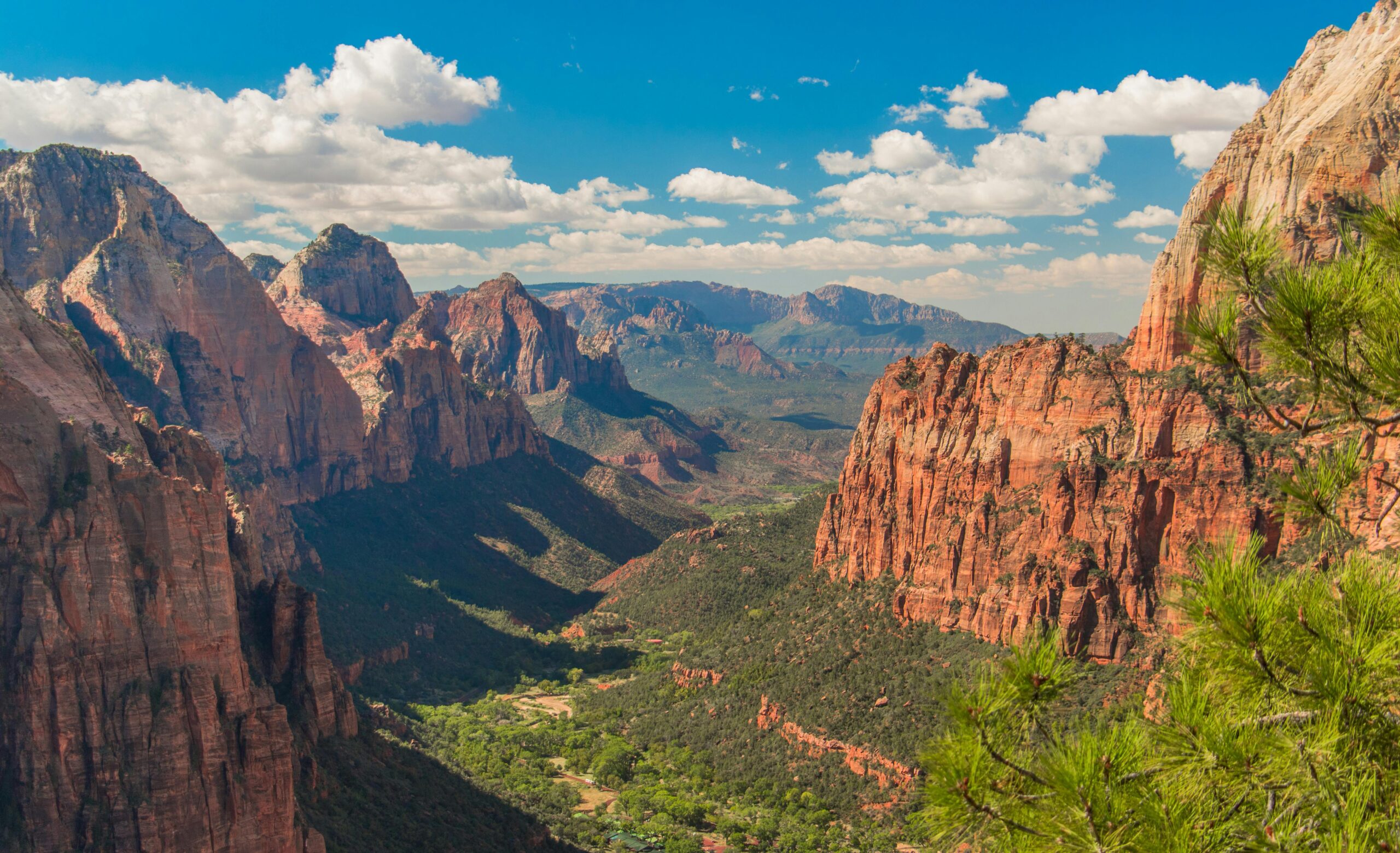
Top 10 Must-Know Facts About US Geological Formations

Top 10 Must-Know Facts About US Geological Formations

⏱️ 4 min read

Top 10 Must-Know Facts About US Geological Formations

The United States boasts some of the most diverse and spectacular geological formations on Earth, shaped by millions of years of natural processes. From towering mountains to deep canyons, these formations tell the story of our planet's dynamic history. Here are ten essential facts about America's most significant geological features.

1. The Grand Canyon's Layer Cake of Time

The Grand Canyon exposes nearly two billion years of Earth's geological history in its walls. The colorful rock layers, known as stratigraphy, reveal different geological eras, with the oldest rocks at the bottom dating back to the Precambrian period. Each layer represents a different depositional environment, from ancient seas to wind-blown deserts, making it one of the most complete geological records on Earth.

2. Yellowstone's Supervolcano System

The Yellowstone Caldera is actually a supervolcano sitting atop a massive magma chamber. This geological hotspot is responsible for creating one of the world's largest volcanic systems, covering approximately 30,000 square miles. The area contains about half of all the world's geothermal features, including geysers, hot springs, mud pots, and fumaroles.

3. The Appalachian Mountains' Ancient Origins

Once towering as high as the Himalayas, the Appalachian Mountains are among the oldest mountain ranges in the world, formed over 480 million years ago. These mountains were created through multiple orogenic (mountain-building) events, primarily the collision of ancient continents. Weathering and erosion have worn them down to their current height over millions of years.

4. Death Valley's Unique Depression

Death Valley is the lowest point in North America at 282 feet below sea level. This remarkable depression was formed by the gradual sinking of the valley floor through fault activity, while surrounding mountain ranges were pushed upward. The area's extreme temperatures and minimal rainfall have created unique geological features like salt flats, sand dunes, and badlands.

5. The Rocky Mountains' Tectonic Creation

The Rocky Mountains formed between 80 and 55 million years ago during the Laramide orogeny, when the North American plate collided with and overrode the Pacific plate. This massive mountain range extends for over 3,000 miles and contains numerous peaks exceeding 14,000 feet in elevation. The range continues to be shaped by glaciation, erosion, and tectonic activity.

6. The Great Basin's Parallel Ranges

The Great Basin region features a distinctive pattern of parallel mountain ranges separated by valleys, creating a basin and range topography. This unique landscape resulted from extensional forces pulling the Earth's crust apart, causing some blocks to rise as mountains while others dropped to form valleys. The region covers most of Nevada and parts of surrounding states.

7. Monument Valley's Sandstone Sentinels

The iconic buttes and mesas of Monument Valley were created through differential erosion of horizontal rock layers. These formations began as vast sandstone layers deposited during the Permian period. Over millions of years, wind and water eroded the softer rocks while leaving the more resistant sandstone standing as towering monuments, some reaching heights of 1,000 feet.

8. The Columbia River Basalt Group

Covering parts of Washington, Oregon, and Idaho, the Columbia River Basalt Group represents one of the largest flood basalt provinces in the world. These massive lava flows occurred between 17 and 6 million years ago, with some individual flows extending over 500 miles. The total volume of basalt is estimated at more than 50,000 cubic miles.

9. The San Andreas Fault System

This massive transform fault system extends approximately 750 miles through California. It marks the boundary between the Pacific and North American tectonic plates, creating a complex zone of crustal deformation. The fault continues to shape California's landscape through seismic activity and has been responsible for significant earthquakes throughout recorded history.

10. The Mammoth Cave System

Located in Kentucky, Mammoth Cave is the world's longest known cave system, with more than 400 miles of surveyed passageways. The cave formed in thick layers of limestone laid down during the Mississippian period, around 325 million years ago. Groundwater slowly dissolved the limestone, creating vast underground chambers and complex passages over millions of years.

These geological formations represent just a fraction of the United States' diverse geological heritage. Each formation continues to evolve through ongoing natural processes, providing scientists with valuable insights into Earth's history and future geological developments. Understanding these formations is crucial for geological research, resource management, and appreciating the natural wonders that shape our landscape.

From ancient mountain ranges to active fault lines, these geological features demonstrate the dynamic nature of Earth's processes and their profound impact on shaping the American landscape over millions of years. They serve as natural laboratories for studying Earth's history and continue to attract researchers and visitors from around the world.