



















⏱️ 4 min read
Top 10 American Wars That Shaped Global History
Throughout its history, the United States has been involved in numerous military conflicts that have significantly impacted the course of world events. These wars have not only shaped American history but have also transformed international relations, global power dynamics, and the modern world order. Here are the ten most influential American wars that have left an indelible mark on global history.
1. The American Revolution (1775-1783)
The American Revolution wasn't just about American independence; it sparked a wave of democratic revolutions worldwide. This conflict fundamentally challenged the concept of monarchy and colonial rule, inspiring independence movements across Latin America and influencing the French Revolution. The success of the American experiment in democracy created a new model for national sovereignty and constitutional government.
2. The Civil War (1861-1865)
The American Civil War was the deadliest conflict in U.S. history and revolutionized modern warfare. It introduced new military technologies, including railroads for troop transport, iron-clad ships, and early submarines. The war's outcome abolished slavery in America, influenced international human rights movements, and demonstrated the potential of industrial warfare, which would later shape World War I tactics.
3. Spanish-American War (1898)
Though brief, this conflict marked America's emergence as a global power. The war resulted in the U.S. acquiring territories in the Pacific and Caribbean, including the Philippines, Guam, and Puerto Rico. This expansion fundamentally altered America's role in international affairs and established its presence as a colonial power in the Pacific region.
4. World War I (1917-1918)
America's entry into WWI proved decisive in ending the conflict. The war transformed the United States from a debtor nation to a creditor nation, establishing its financial dominance. President Wilson's Fourteen Points and the concept of the League of Nations, though ultimately unsuccessful, laid groundwork for future international cooperation and the United Nations.
5. World War II (1941-1945)
WWII cemented America's position as a global superpower. The war led to technological innovations like nuclear weapons, radar, and computers. The Marshall Plan for European reconstruction and the establishment of NATO and the United Nations created a new international order. This conflict fundamentally reshaped global politics, economics, and military alliances for decades to come.
6. Korean War (1950-1953)
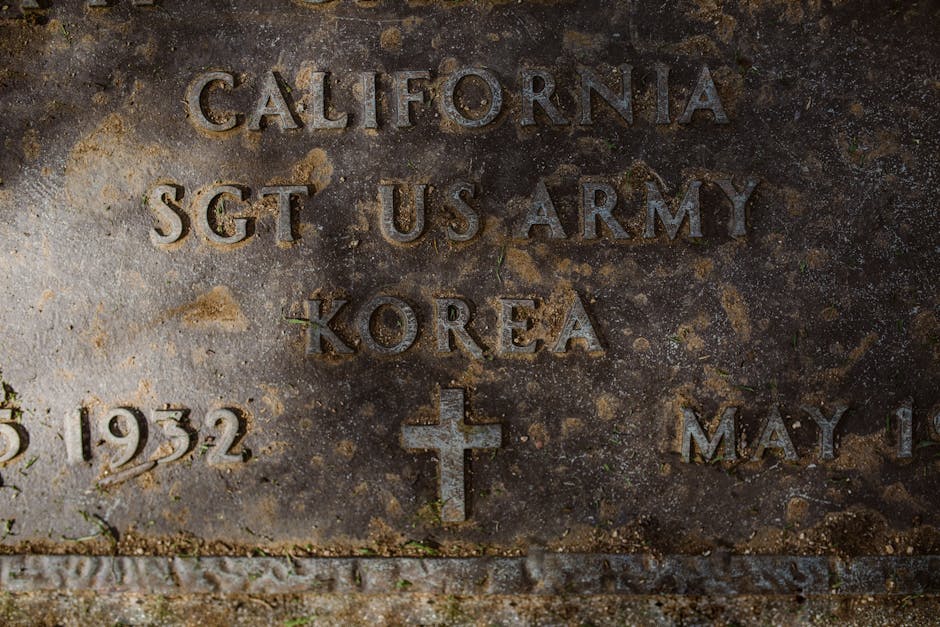
The Korean War established the pattern for limited warfare in the nuclear age. It marked the first major conflict of the Cold War, setting precedents for U.S. containment policy against communist expansion. The war's outcome led to the division of Korea, which continues to influence international relations in East Asia today.
7. Vietnam War (1955-1975)
This prolonged conflict dramatically influenced American society and foreign policy. The war demonstrated the limitations of military power against guerrilla warfare and sparked massive anti-war movements globally. It led to the "Vietnam Syndrome," affecting U.S. military interventions for decades and reshaping media coverage of warfare.
8. Gulf War (1990-1991)
Operation Desert Storm marked the first major post-Cold War conflict and demonstrated American military superiority in conventional warfare. The conflict introduced precision-guided weapons to a global audience and established a new model for international military coalitions. It significantly influenced Middle Eastern politics and oil markets.
9. War in Afghanistan (2001-2021)
America's longest war began as a response to the September 11 attacks and reshaped international counterterrorism efforts. The conflict altered military doctrine regarding asymmetric warfare and nation-building. It significantly impacted international relations, particularly regarding terrorism, religious extremism, and regional stability in Central Asia.
10. Iraq War (2003-2011)
The Iraq War profoundly affected Middle Eastern politics and global attitudes toward American military intervention. It demonstrated the challenges of regime change and post-conflict reconstruction. The war's consequences continue to influence regional stability, international terrorism, and debates about the limits of American power projection.
Conclusion
These ten conflicts have significantly shaped not only American history but also the course of global events. From establishing democracy and human rights to influencing military technology and international relations, these wars have left lasting impacts on the modern world. Their legacies continue to influence contemporary global politics, military doctrine, and international relationships, serving as crucial learning points for future generations about the costs and consequences of warfare.
Each conflict brought unique challenges and lessons, contributing to the evolution of military strategy, international law, and diplomatic relations. Understanding these wars and their global impact remains essential for comprehending current world events and preventing future conflicts.