















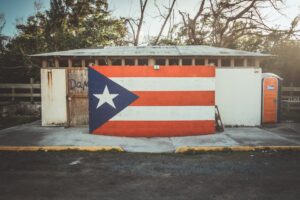
Which is the largest U.S. territory by land area?

1 / 20 Questions
0 Points

Which is the largest U.S. territory by land area?

American Samoa

Guam

Puerto Rico

U.S. Virgin Islands

Points won
0
Correct score
0%

More Questions

More Articles

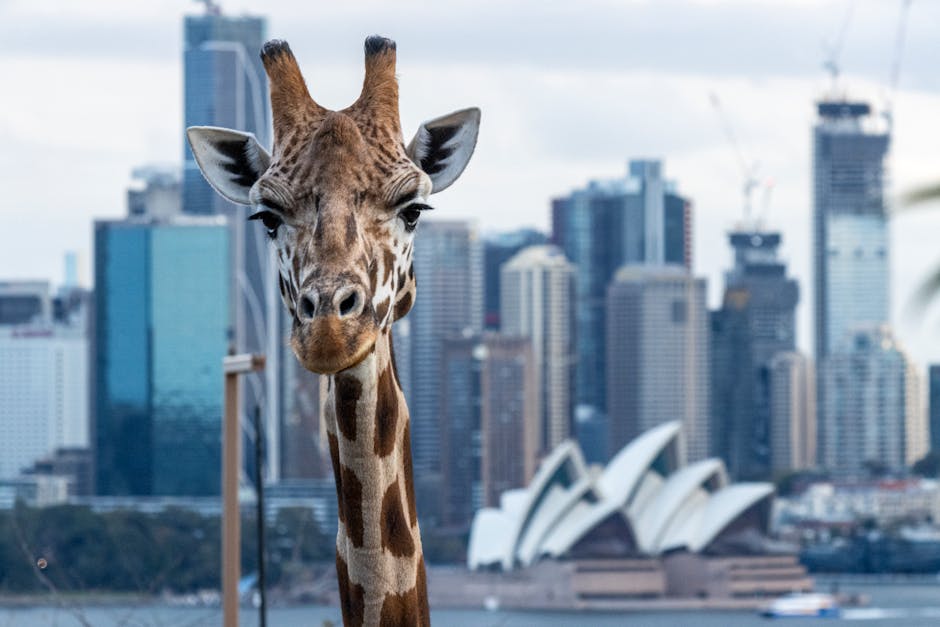
Top 10 Surprising Facts About the Sydney Opera House

Top 10 Surprising Facts About the Sydney Opera House

⏱️ 4 min read

Top 10 Surprising Facts About the Sydney Opera House

The Sydney Opera House stands as one of the most recognizable architectural marvels of the modern world. While many know its iconic sail-like design, there are numerous fascinating facts about this UNESCO World Heritage site that often surprise even those familiar with the structure. Here are ten remarkable facts that showcase the building's unique history, construction, and cultural significance.

1. The Design Was Initially Rejected

Danish architect Jørn Utzon's winning design was originally tossed into a pile of rejected submissions. It was only when one of the judges, renowned architect Eero Saarinen, arrived late and reviewed the discarded entries that he discovered and championed what would become the winning design. This last-minute rescue changed architectural history forever.

2. It Took 14 Years to Complete

Originally estimated to take four years and cost $7 million, the Opera House's construction stretched to 14 years (1959-1973) and ended up costing $102 million. This massive overrun was primarily funded through a state lottery system. The extended timeline and budget issues led to significant political controversy and ultimately resulted in Utzon's resignation from the project in 1966.

3. The Tiles Have Self-Cleaning Properties

The building's distinctive exterior features over one million ceramic tiles manufactured in Sweden. These tiles are self-cleaning, thanks to their glossy surface and the building's design, which allows rainwater to wash away dirt and salt from the harbor naturally. The tiles are arranged in chevron patterns and create different visual effects depending on the lighting conditions.

4. Hidden Mathematical Genius

The Opera House's iconic shells are all derived from sections of a single sphere, a solution Utzon developed after years of struggling with the engineering challenges. This "spherical solution" was revolutionary and allowed for easier prefabrication of the building's components. The radius of this sphere is precisely 246 feet, 8.5 inches.

5. It Houses Multiple Venues

Contrary to popular belief, the Sydney Opera House isn't just one theater. It contains multiple performance spaces, including the Concert Hall (2,679 seats), Joan Sutherland Theatre (1,507 seats), Drama Theatre (544 seats), Playhouse (398 seats), and Studio (280 seats). Collectively, these venues host over 1,500 performances annually, attended by approximately 1.2 million people.

6. The Grand Organ is the World's Largest Mechanical Tracker Action Organ

The Concert Hall houses an impressive mechanical tracker action organ, featuring 10,154 pipes. It took ten years to build and was completed in 1979. The organ remains the largest of its kind in the world and required extensive acoustic engineering to integrate properly into the hall.

7. Concrete Ribs Support the Structure

The building's structure relies on massive precast concrete ribs, some weighing up to 15 tons each. These ribs support the ceramic-tiled shells and were an engineering marvel for their time. The construction required the development of new techniques and technologies, including an early use of computers in architectural design.

8. It Has Its Own Resident Ghost

Theater staff have reported numerous supernatural encounters in the building, particularly around the orchestra pit of the Joan Sutherland Theatre. The most famous ghost is believed to be that of a trapeze artist who died during a performance in the 1970s. These stories have become part of the building's rich folklore.

9. Environmental Innovation

The Opera House was environmentally innovative for its time, using seawater from the harbor for its cooling system. The building continues to embrace sustainability, having reduced its carbon footprint by 75% through various initiatives, including the installation of new energy-efficient technologies and waste management systems.

10. Peace Offering to Utzon

After Jørn Utzon's controversial departure in 1966, he never returned to Australia to see his completed masterpiece. However, in 1999, he was re-engaged as a design consultant for future changes to the building. In 2004, the Utzon Room was named in his honor, becoming the first and only interior space to be designed by the original architect.

The Sydney Opera House continues to captivate visitors and performers alike, not just through its stunning architecture but through these lesser-known aspects of its history and operation. From its troubled construction to its environmental innovations, these surprising facts demonstrate why it remains one of the world's most fascinating buildings and a testament to human creativity and perseverance.
Top 10 Historical Scandals From Around the World

Top 10 Historical Scandals From Around the World

⏱️ 6 min read

Throughout history, scandals have shaken governments, toppled empires, and exposed the darker side of human ambition. These controversies have often served as turning points in political systems, social movements, and international relations. From political corruption to royal intrigue, the following scandals captivated public attention and left lasting impacts on the societies they affected.

Scandalous Moments That Changed History

1. The Dreyfus Affair in France

In 1894, French artillery officer Alfred Dreyfus, a Jewish captain, was wrongfully convicted of treason for allegedly passing military secrets to Germany. The scandal divided French society for over a decade, exposing deep-rooted anti-Semitism within the French military and government. Despite evidence pointing to the real culprit, Major Ferdinand Walsin Esterhazy, military officials concealed the truth to protect institutional honor. Writer Émile Zola's famous open letter "J'accuse...!" brought international attention to the injustice. Dreyfus was eventually exonerated in 1906, but the affair had already profoundly influenced French politics and contributed to the formal separation of church and state in France.

2. The Watergate Conspiracy

The Watergate scandal remains one of the most significant political controversies in American history. Beginning with a break-in at the Democratic National Committee headquarters in 1972, the scandal revealed a vast network of political espionage and cover-up operations orchestrated by members of President Richard Nixon's administration. Investigative journalism by Washington Post reporters Bob Woodward and Carl Bernstein, aided by the mysterious source "Deep Throat," gradually exposed the president's involvement in obstructing justice. The scandal led to Nixon's resignation in 1974, making him the only U.S. president to resign from office, and forever changed the relationship between the American public and its government.

3. The South Sea Bubble Economic Disaster

In 1720, Britain experienced one of history's first major stock market crashes through the South Sea Company scandal. The company, granted a monopoly on trade with South America, encouraged rampant speculation by promoting exaggerated claims about potential profits. Government officials, including members of Parliament and even King George I, had invested heavily in the scheme. When the bubble inevitably burst, thousands of investors were ruined financially, and several politicians were found to have accepted bribes to promote the company's stock. The scandal led to significant reforms in British financial regulation and exposed the dangerous consequences of unchecked speculation and political corruption.

4. The Profumo Affair in Britain

The 1963 Profumo Affair nearly brought down the British government when Secretary of State for War John Profumo was discovered to have had an affair with Christine Keeler, a showgirl who was simultaneously involved with a Soviet naval attaché. The scandal raised serious national security concerns during the Cold War, as classified information could have been compromised. Profumo initially lied to Parliament about the relationship, which ultimately proved more damaging than the affair itself. The scandal contributed to the Conservative government's defeat in the 1964 general election and highlighted the intersection of politics, sexuality, and security in the modern era.

5. The Teapot Dome Scandal

During President Warren G. Harding's administration in the 1920s, the Teapot Dome scandal emerged as a symbol of government corruption in America. Secretary of the Interior Albert Fall secretly leased naval petroleum reserves at Teapot Dome, Wyoming, and Elk Hills, California, to private oil companies without competitive bidding. In exchange, Fall received substantial bribes including cash, bonds, and livestock. The scandal, which came to light in 1922, resulted in Fall becoming the first U.S. cabinet member to be convicted of a felony and serve prison time. It tarnished Harding's legacy and led to increased calls for government transparency and accountability.

6. The Panama Papers Revelations

In 2016, the leak of 11.5 million documents from Panamanian law firm Mossack Fonseca exposed how wealthy individuals and public officials worldwide used offshore tax havens to hide assets and evade taxes. The papers implicated dozens of world leaders, including presidents, prime ministers, and their close associates, in schemes to conceal wealth. The revelations led to the resignation of Iceland's Prime Minister and sparked investigations in numerous countries. The scandal highlighted the global scale of financial secrecy and tax avoidance, prompting renewed efforts for international financial transparency and tax reform.

7. The Corrupt Practices of Tammany Hall

For over a century, Tammany Hall served as the Democratic Party's political machine in New York City, becoming synonymous with political corruption in America. Under the leadership of William "Boss" Tweed in the 1860s and 1870s, the organization reached its peak of corruption, stealing an estimated $45 million to $200 million from city taxpayers through fraudulent contracts and kickback schemes. Political cartoonist Thomas Nast's illustrations and investigative journalism exposed the corruption, eventually leading to Tweed's arrest in 1871. The Tammany Hall scandal became a cautionary tale about the dangers of unchecked political machines and inspired municipal reform movements across America.

8. The Borgias and Papal Corruption

The Borgia family's control of the papacy during the Renaissance represents one of history's most notorious examples of ecclesiastical corruption. Pope Alexander VI, born Rodrigo Borgia, secured his election in 1492 through bribery and used his position to advance his family's wealth and power. Accusations included simony, nepotism, and even murder, with his son Cesare allegedly responsible for numerous political assassinations. The family openly maintained mistresses and acknowledged illegitimate children, flouting Church doctrine. Their scandalous behavior exemplified the moral decay of the Renaissance papacy and contributed to growing discontent that eventually fueled the Protestant Reformation.

9. The Marconi Scandal

In 1912, British cabinet ministers were accused of insider trading involving shares in the American Marconi Company, which had just secured a lucrative government contract for wireless telegraph stations. Several government officials, including Chancellor of the Exchequer David Lloyd George and Attorney General Rufus Isaacs, had purchased shares in the company before the contract was publicly announced. While the officials claimed they bought shares in the American subsidiary rather than the British company, the scandal raised serious questions about conflicts of interest and the use of privileged information for personal gain. Though the accused ministers survived politically, the scandal damaged their reputations and highlighted the need for stricter ethics standards in government.

10. The Bre-X Mining Fraud

The Bre-X scandal of the 1990s represents one of the largest mining frauds in history. The Canadian company claimed to have discovered massive gold deposits in Indonesia, causing its stock price to soar and attracting billions in investment. However, the gold discovery was entirely fabricated through salting samples with outside gold. When the fraud was exposed in 1997, the company's stock became worthless overnight, wiping out approximately $6 billion in market value and devastating thousands of investors. The chief geologist mysteriously fell from a helicopter to his death shortly before the fraud was revealed. The scandal led to significant reforms in mining industry regulations and standards for reporting mineral discoveries.

The Lasting Impact of Historical Scandals

These ten scandals demonstrate how corruption, deception, and abuse of power have manifested across different cultures, time periods, and institutions. From medieval papal courts to modern financial markets, these controversies have often served as catalysts for reform, leading to new laws, regulations, and standards of accountability. They remind us that transparency, ethical leadership, and vigilant oversight remain essential safeguards against the abuse of power, regardless of the era or institution involved. The patterns revealed in these historical scandals continue to inform our understanding of governance, justice, and human nature today.