
















⏱️ 7 min read
The United States encompasses an extraordinary range of ecosystems, from scorching deserts to lush rainforests, arctic tundra to tropical wetlands. This diverse environmental tapestry creates unique habitats for countless species and showcases the remarkable geographic variety found within American borders. Understanding these ecosystems through challenging questions reveals the complexity and wonder of the nation's natural landscapes.
Exploring America's Natural Diversity
1. The Sonoran Desert's Iconic Sentinel
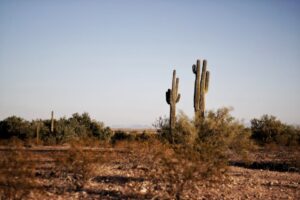
What makes the Sonoran Desert unique among American deserts? This ecosystem, spanning parts of Arizona and California, is the only place in the United States where the majestic saguaro cactus grows naturally. These towering cacti can live for over 150 years and reach heights exceeding 40 feet, serving as a vital resource for desert wildlife including bats, birds, and insects.
2. America's Only Tropical Rainforest
Where can you find the only tropical rainforest under the U.S. flag? El Yunque National Forest in Puerto Rico holds this distinction, receiving over 240 inches of rainfall annually in some areas. This 28,000-acre ecosystem hosts hundreds of plant species, including 23 found nowhere else on Earth, and provides habitat for the endangered Puerto Rican parrot.
3. The Great Plains Grassland Mystery
What percentage of America's original tallgrass prairie remains today? Shockingly, less than 4% of this once-vast ecosystem survives. These grasslands, which once covered 170 million acres across the central United States, supported massive bison herds and complex root systems extending up to 15 feet deep, creating some of the world's most fertile soils.
4. Alpine Tundra's Surprising Locations
In how many U.S. states can you find alpine tundra ecosystems? This harsh, treeless environment exists in at least 11 states, including unexpected locations like New Mexico and Arizona. Found above the tree line on mountain peaks, alpine tundra experiences extreme temperature fluctuations and supports specially adapted plant species that can complete their entire life cycle in just a few weeks.
5. The Everglades' Unique Classification
What type of ecosystem are the Everglades often incorrectly called? While commonly referred to as a swamp, the Everglades are actually a slow-moving river of grass, technically classified as a subtropical wetland. This "River of Grass" moves water from Lake Okeechobee to Florida Bay at an imperceptible rate, creating a unique ecosystem that supports both temperate and tropical species.
6. Boreal Forest Territory
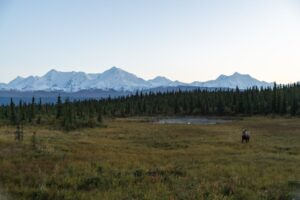
Which U.S. state contains the southernmost extent of North America's boreal forest? Alaska hosts vast boreal forests, but Minnesota marks the ecosystem's southernmost reach in the continental United States. This coniferous forest ecosystem, dominated by spruce, fir, and tamarack trees, covers approximately 1.5 billion acres across North America and plays a crucial role in global carbon storage.
7. The Chesapeake Bay's Productivity
What makes the Chesapeake Bay one of America's most productive ecosystems? This estuary, the largest in the United States, produces more seafood per acre than any other body of water in the country. The bay's unique mixing of freshwater and saltwater creates ideal conditions for oysters, blue crabs, and over 3,600 species of plants and animals.
8. Sagebrush Sea Expanse
How many square miles does the sagebrush steppe ecosystem cover? This often-overlooked ecosystem spans approximately 165,000 square miles across 11 western states, making it one of North America's largest ecosystems. The sagebrush sea provides critical habitat for over 350 species, including the greater sage-grouse, pronghorn antelope, and pygmy rabbit.
9. Kelp Forest Growth Champions
How fast can giant kelp in California's underwater forests grow? These remarkable marine plants can grow up to two feet per day under ideal conditions, making them among the fastest-growing organisms on Earth. California's kelp forests create three-dimensional habitats supporting over 1,000 species of marine life, from sea otters to rockfish.
10. The Longleaf Pine's Historic Range
What fraction of the original longleaf pine ecosystem remains in the southeastern United States? Less than 3% of the original 90 million acres survives today. This fire-adapted ecosystem once stretched from Virginia to Texas and supported extraordinary biodiversity, including the endangered red-cockaded woodpecker and numerous plant species that thrive only after regular burning.
11. Mojave Desert's Temperature Extremes
What temperature range can Death Valley in the Mojave Desert ecosystem experience? This extreme environment has recorded temperatures from 15°F to 134°F, representing one of the widest temperature ranges of any U.S. ecosystem. Despite these harsh conditions, over 1,000 plant species have adapted to survive here, including the ancient bristlecone pines found at higher elevations.
12. Mangrove Forest Locations
In which U.S. states can you naturally find mangrove forests? These coastal ecosystems exist in Florida, Louisiana, Texas, Hawaii, and U.S. territories including Puerto Rico. Mangroves serve as crucial nurseries for fish and shrimp, protect coastlines from erosion, and store more carbon per acre than most tropical rainforests.
13. The Great Basin's Unique Drainage
What makes the Great Basin ecosystem hydrologically unique? This 200,000-square-mile region has no outlet to the ocean; all precipitation either evaporates, sinks into the ground, or flows into lakes. This endorheic drainage creates distinctive ecosystems adapted to highly alkaline conditions, supporting species found nowhere else on Earth.
14. Barrier Island Dynamics
How many barrier islands protect the Atlantic and Gulf coasts? Approximately 300 barrier islands shield the mainland from storm surge and waves. These dynamic ecosystems constantly shift and reshape through wind and wave action, creating vital habitats for nesting sea turtles, migratory birds, and specialized plant communities that stabilize the sand.
15. Temperate Rainforest Rainfall Requirements
How much annual precipitation defines a temperate rainforest? These ecosystems require at least 55 inches of rain annually, with some Pacific Northwest locations receiving over 150 inches. The Hoh Rainforest in Olympic National Park exemplifies this ecosystem, where massive Sitka spruce and western hemlocks create cathedral-like canopies draped in mosses and ferns.
16. Prairie Pothole Region Importance
What percentage of North American waterfowl are produced in the Prairie Pothole Region? Despite covering only about 10% of the continent's waterfowl breeding habitat, this ecosystem produces approximately 50-80% of the continent's ducks. These glacially-formed wetlands across the northern Great Plains serve as crucial breeding grounds for millions of birds annually.
17. Chaparral Fire Adaptation
How frequently does fire naturally occur in California's chaparral ecosystem? This Mediterranean-climate ecosystem typically experiences fire every 30-150 years. Many chaparral plants have evolved remarkable adaptations, including seeds that germinate only after exposure to fire and root systems that quickly resprout after flames pass, making fire an essential part of ecosystem health.
18. Coral Reef Locations in U.S. Waters
Where are the only living coral barrier reefs in the continental United States? The Florida Keys host the only barrier coral reef system in North America, stretching over 350 miles. These ecosystems support over 6,000 species of marine life and contribute billions of dollars annually to Florida's economy through tourism and fisheries, while protecting coastlines from storm damage.
19. Old-Growth Forest Remnants
What percentage of America's original old-growth forests remain standing? Less than 10% of these ancient forest ecosystems survive today, mostly in the Pacific Northwest and Alaska. Old-growth forests, characterized by trees over 200 years old and complex structural diversity, provide irreplaceable habitat for species like the northern spotted owl and support ecological processes that take centuries to develop.
20. The Chihuahuan Desert's Size
Which North American desert is the largest? The Chihuahuan Desert, spanning parts of New Mexico, Texas, and Mexico, covers approximately 175,000 square miles, making it the largest desert in North America. This ecosystem supports remarkable biodiversity, including over 3,500 plant species and serving as the winter home to millions of migratory birds and monarch butterflies.
Conclusion
These twenty questions illuminate the remarkable diversity of American ecosystems, from the depths of underwater kelp forests to the heights of alpine tundra. Understanding these natural systems reveals not only fascinating geographic trivia but also highlights the urgent need for conservation. Each ecosystem plays an irreplaceable role in maintaining biodiversity, regulating climate, and providing essential resources. As many of these environments face unprecedented threats from development and climate change, appreciating their complexity and uniqueness becomes increasingly important for ensuring their preservation for future generations. The United States' geographic diversity represents an invaluable natural heritage that demands both celebration and protection.