







































What is the primary use of kitchen tongs?

1 / 40 Questions
0 Points

What is the primary use of kitchen tongs?

Gripping food

Beating eggs

Grating cheese

Measuring ingredients

Points won
0
Correct score
0%

More Questions

More Articles

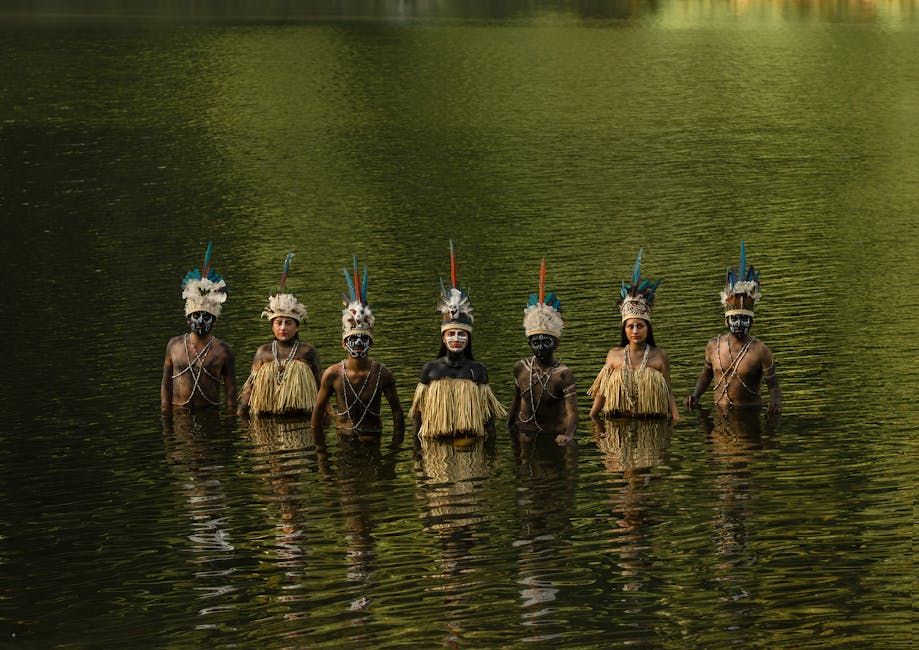
Did You Know? 15 Amazing Facts About the Amazon River

Did You Know? 15 Amazing Facts About the Amazon River

⏱️ 4 min read

Did You Know? 15 Amazing Facts About the Amazon River

The Amazon River, a natural wonder that winds through South America, holds countless fascinating secrets and remarkable characteristics. From its incredible biodiversity to its immense size and historical significance, here are 15 amazing facts about the world's largest river system that showcase its importance to our planet.

1. World's Largest River by Water Volume

The Amazon River discharges more water than the next seven largest independent rivers combined. It releases approximately 209,000 cubic meters of water per second into the Atlantic Ocean, representing about 20% of all the freshwater that enters the world's oceans.

2. Mysterious Origins

Until 2014, there was significant debate about the true source of the Amazon River. Scientists now generally agree that it originates in the Mantaro River in Peru, though some still contest this. The river's headwaters begin as a tiny stream high in the Andes Mountains.

3. No Bridges Cross It

Despite its length of over 4,000 miles, not a single bridge crosses the Amazon River. This is partly due to the river's location through rainforests and sparsely populated areas, but also because most settlements along the river rely on boat transportation.

4. Underground River Connection

Scientists discovered an underground river called the Hamza that flows beneath the Amazon. This underground river is nearly 6,000 kilometers long and flows much more slowly than its surface counterpart.

5. Prehistoric Giant Creatures

During the Miocene epoch, the Amazon was home to some of the largest aquatic creatures ever known, including Purussaurus, a 43-foot-long caiman, and Stupendemys, a turtle the size of a small car.

6. The River Once Flowed Backwards

Approximately 11 million years ago, the Amazon River flowed in the opposite direction, from east to west. The rise of the Andes Mountains eventually reversed its course to the current westward flow.

7. Boiling River Tributary

A tributary of the Amazon contains a "boiling river" where temperatures reach up to 196°F (91°C). This natural phenomenon is caused by geothermal activity and is sacred to local indigenous people.

8. Electric Eel Power

The Amazon's electric eels can generate up to 860 volts of electricity, enough to power multiple light bulbs. Recent studies have shown they use this ability not just for hunting but also for navigation and communication.

9. Pink River Dolphins

The Amazon River is home to the largest freshwater dolphin species, the boto or pink river dolphin. These unique creatures can grow up to 8 feet long and are considered sacred by many indigenous communities.

10. Floating Forest Phenomenon

During the rainy season, water levels can rise by up to 30 feet, creating floating forests where fish swim among treetops. This unique ecosystem creates essential breeding grounds for many species.

11. Ancient Civilizations

Recent archaeological discoveries suggest that pre-Columbian civilizations along the Amazon were far more advanced and populous than previously thought, with some estimates suggesting up to 10 million inhabitants lived in the region.

12. River Width Variations

During the dry season, the Amazon River can be as narrow as 1 kilometer in some places, but during the rainy season, it can expand to up to 48 kilometers in width, making parts of it look more like a sea than a river.

13. Invisible River-Sea Mixing

Where the Amazon meets the Atlantic Ocean, fresh and salt water don't immediately mix. This creates a phenomenon called the "Meeting of the Waters," where different colored waters flow side by side for over 6 kilometers.

14. Unique Fish Species

The Amazon River contains more than 2,500 known species of fish, with new species still being discovered. This represents more species than the entire Atlantic Ocean and makes up approximately 15% of all known freshwater fish species worldwide.

15. Ancient River System

The Amazon River system is one of the oldest in the world, with some sections dating back over 11 million years. The river's age has contributed to the evolution of its incredibly diverse ecosystem and unique geological features.

These fascinating facts demonstrate why the Amazon River is not just a crucial water system but also a vital part of Earth's biodiversity and human history. Its importance extends far beyond South America, influencing global climate patterns and serving as a critical resource for countless species, including humans. As we continue to study this magnificent river system, researchers regularly uncover new mysteries and amazing characteristics that further cement its status as one of our planet's most remarkable natural wonders.
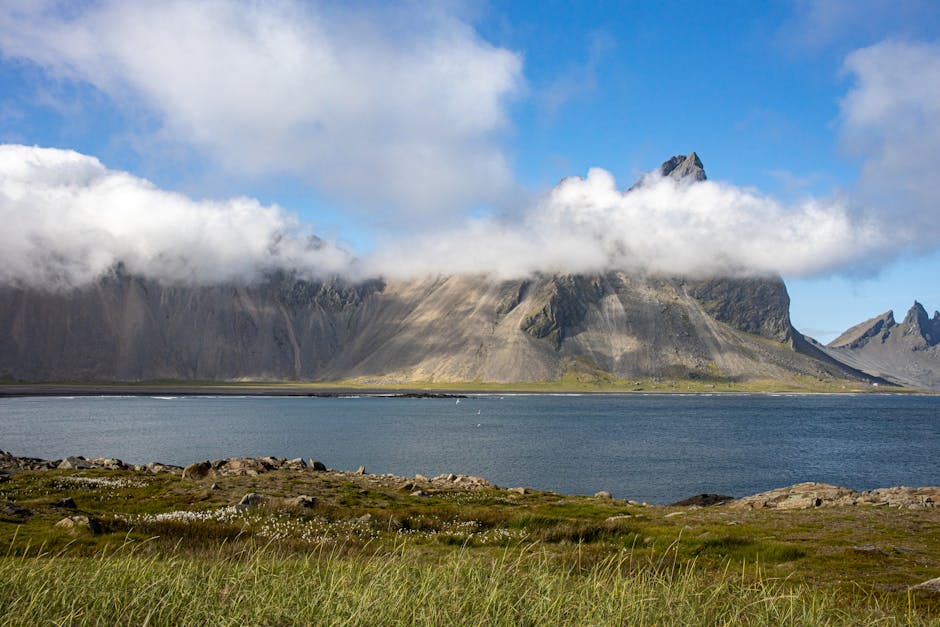
Did You Know These 12 Facts About Iceland’s Geography?

Did You Know These 12 Facts About Iceland’s Geography?

⏱️ 4 min read

Did You Know These 12 Facts About Iceland's Geography?

Iceland, a Nordic island nation, stands as one of Earth's most fascinating geographical locations. This land of fire and ice harbors numerous remarkable features that make it unique among the world's countries. Here are 12 incredible facts about Iceland's geography that showcase its distinctive characteristics.

1. Europe's Second-Largest Glacial Coverage

Iceland contains Europe's second-largest glacier coverage, with approximately 11% of its total land mass covered by glaciers. Vatnajökull, the largest ice cap, covers 8% of the country alone and is Europe's largest glacier by volume, containing several active volcanoes beneath its icy surface.

2. The Most Active Volcanic Region in Europe

With over 130 volcanic mountains, Iceland experiences an eruption every 4-5 years on average. The country sits astride the Mid-Atlantic Ridge, where the North American and Eurasian tectonic plates meet, making it one of the world's most volcanically active regions.

3. Growing Landmass

Due to its location on the Mid-Atlantic Ridge, Iceland is literally splitting apart at a rate of about 2 cm per year. This continuous geological activity creates new land, making Iceland one of the few places on Earth where the landmass is actively growing.

4. Geothermal Energy Paradise

Iceland's unique geological position provides abundant geothermal energy, with over 200 volcanoes and countless hot springs. This natural resource supplies approximately 85% of the country's heating and hot water needs, making it one of the world's leading nations in renewable energy usage.

5. No Forests? Not Quite

While Iceland was once heavily forested, covering 25-40% of the land area, today only about 2% remains forested. The Viking settlement and subsequent sheep grazing dramatically reduced the forest coverage, though current reforestation efforts are working to reverse this trend.

6. The Youngest Country in Europe

Geologically speaking, Iceland is Europe's youngest country, formed only around 25 million years ago. The island continues to evolve through volcanic activity, with new islands like Surtsey emerging as recently as 1963.

7. Unique Waterfall Density

Iceland boasts one of the highest concentrations of waterfalls globally. The combination of glacial melt, frequent precipitation, and dramatic landscape creates thousands of waterfalls throughout the country, including the powerful Dettifoss, Europe's most voluminous waterfall.

8. The Northern Lights View

Iceland's geographical location, situated just below the Arctic Circle between 63° and 67° North latitude, makes it one of the best places to observe the Aurora Borealis. The country's position in the auroral zone provides optimal viewing conditions during the darker months.

9. Black Sand Beaches

Iceland's volcanic nature has created numerous black sand beaches, formed from eroded volcanic rock. The most famous, Reynisfjara, showcases dramatic basalt columns and sea stacks, demonstrating the island's volcanic heritage.

10. Midnight Sun Phenomenon

Due to its high latitude, Iceland experiences extreme seasonal variations in daylight. During summer solstice, particularly in the northern parts, the sun never fully sets, creating the midnight sun phenomenon where daylight persists for nearly 24 hours.

11. Uninhabited Interior

Iceland's interior, known as the highlands, remains largely uninhabited. This area, comprising about 40% of the country, consists of volcanic desert, mountains, and glaciers. The harsh terrain and climate make it one of Europe's largest unpopulated regions.

12. Underground Ice Caves

The interaction between volcanic activity and glaciers creates unique ice caves throughout Iceland. These natural formations, particularly common in Vatnajökull glacier, form when geothermal heat and summer melting create tunnels through the ice, resulting in spectacular blue ice caverns.

Conclusion

Iceland's geography represents a unique confluence of geological forces, creating a landscape unlike anywhere else on Earth. From its active volcanoes and growing landmass to its numerous glaciers and waterfalls, the country serves as a living laboratory of geological processes. These 12 geographical features demonstrate why Iceland continues to fascinate scientists, travelers, and nature enthusiasts worldwide, making it a truly remarkable place where the forces of fire and ice coexist in dramatic fashion.